Loading this page…

Loading this page…
Marina service
About
Port Denison Boat Harbour (Dongara) is a distinctive Western Australian boating destination, bringing a working fishing harbour, Dongara hospitality and offshore adventure together in one remarkable setting.
Service area: Port Denison (Dongara), WA
Keep exploring
Port Denison Boat Harbour (Dongara) connects local and visiting crews with Batavia Coast. Its character comes from a working fishing harbour, Dongara hospitality and offshore adventure, making the facility an authentic part of Western Australia’s exceptionally varied maritime landscape.
Whether used for fishing, cruising, commercial activity or an island stay, it provides a valuable point of access to the surrounding waterway.
The facility supports boating through harbour, marina or mooring access, with relevant shore-side services and regional marine capability nearby. Crews can prepare, provision and plan their next movement from a practical waterfront base.
The wider destination is central to the experience: a working fishing harbour, Dongara hospitality and offshore adventure. Port Denison Boat Harbour (Dongara) offers a natural starting point for exploring Batavia Coast and the coast beyond.
Satellite imagery at four heights, from the wider harbour to the berths.
Ballina sits at the mouth of the Richmond River on NSW’s far‑north coast. It’s a working river entrance with a compact boat harbour, exposed ocean beaches and a changeable, sand‑dominated bar. For coastal cruisers it offers a useful stop between Tweed Heads and Yamba, sheltered estuary cruising upriver and easy access to open ocean passages — but the river entrance is highly condition‑dependent and demands respectful planning and local knowledge.

There are legal obligations in Western Australia for recreational boat owners and skippers covering vessel registration, carriage of safety equipment and general skipper responsibilities, but the exact requirements depend on vessel type, size, where you sail and whether the vessel is commercial or recreational. Check the Western Australian Department of Transport (DoT WA) and the national authority for the precise checklist that applies to your boat and voyage.
Explore →
Increase inspection and cleaning frequency, use correctly sized and positioned sacrificial anodes or maintain impressed-current systems, select antifouling and application timing for local WA fouling pressure, and treat stainless and electrical connections proactively to break the corrosion chain.
Explore →
Before you head offshore from WA have a reliable primary VHF with DSC, a charged and registered 406 MHz EPIRB, at least one waterproof mobile phone and a separate handheld VHF as a backup; write and practise a clear escalation procedure so everyone knows which device to use and when.
Explore →
Choose an anchor that penetrates the seabed you expect, carry enough chain and scope, set by reversing under control until the anchor bites, then test and monitor frequently — in sand and clean mud a plough or fluke-style can work well, in weed look for clean patches or use a claw/Delta-style or dedicated weed anchor and more scope.
Explore →A practical guide to the coastal weather systems that affect sailing along Western Australia's coast, focusing on the Fremantle Doctor, local sea breezes, and linked coastal phenomena. Explains how these systems form, when they tend to occur, how they influence boat handling and passage planning, common mistakes, and a
Explore →A practical guide for recreational sailors planning short trips or multi-day cruises around Port Stephens, the Myall Coast and nearby offshore waters. Covers local geography, common conditions, navigation considerations, anchoring and mooring tips, and safety checklists tailored to Australian conditions.
Explore →
A practical step‑by‑step guide to planning a safe, realistic coastal sailing passage in Australian waters: choosing a route, estimating distance and time, checking weather and tides, fuel and daylight planning, identifying safe harbours and anchorages, and preparing backup plans.
Explore →Practical guidance for recreational sailors planning coastal and remote cruising in Western Australia, focusing on tidal planning, reef awareness, navigation and safety preparation tailored to local conditions.
Explore →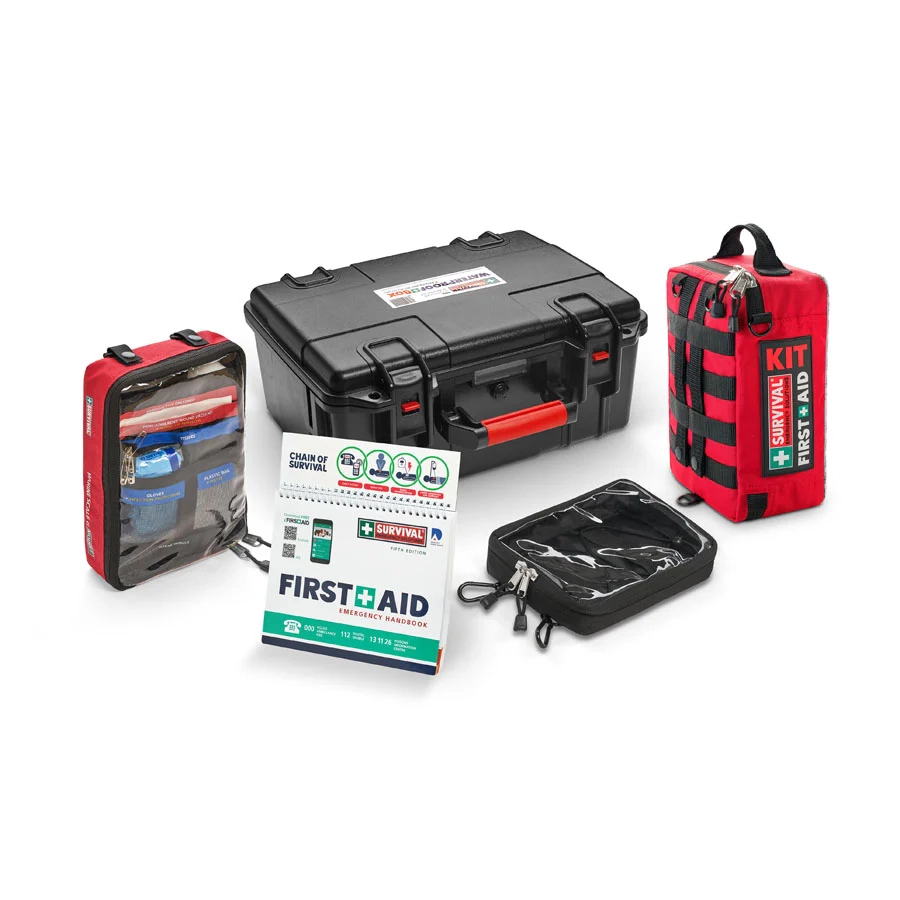
A 142-item marine first aid kit built around the Australian Scale G requirement, with a workplace kit, a Scale G module and a handbook packed in a large waterproof box.
Explore →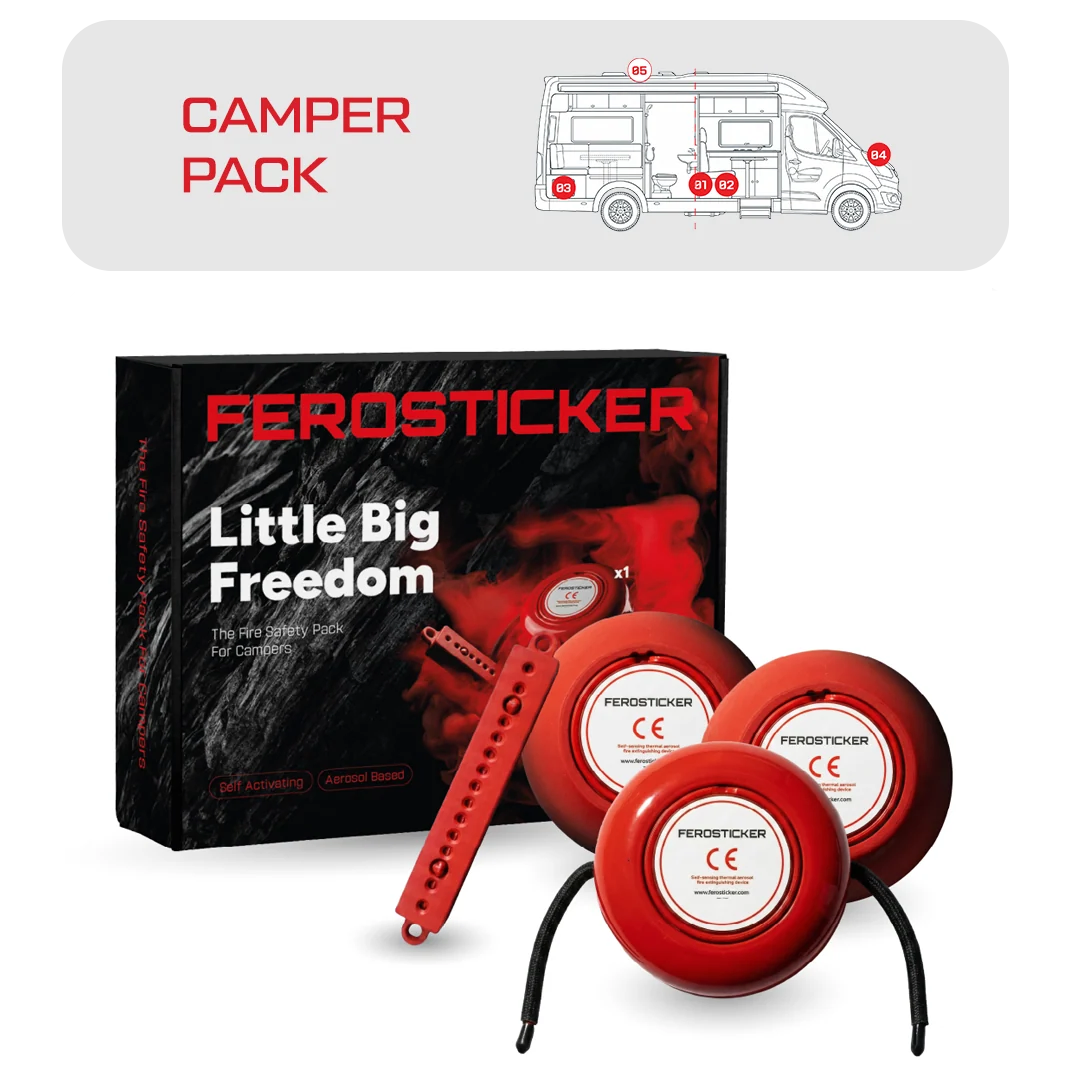
A four-sticker pack (one F01, two F03 and one F09) that puts automatic fire suppression in the electrical panel, battery compartment, gas locker and engine space in one purchase.
Explore →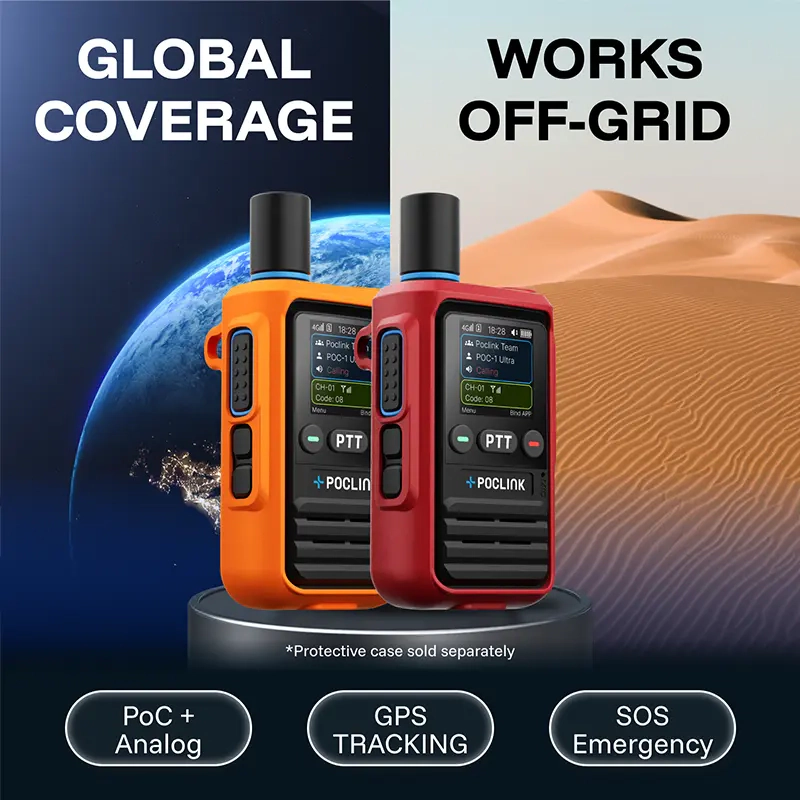
Push-to-talk radio that uses 4G mobile networks where there is coverage and a built-in 16-channel analog radio where there is none, with GPS and SOS. Sold as a two-pack.
Explore →
A 3.35 m inflatable catamaran that weighs about 34 kg bare, carries 500 kg and takes up to a 15 HP short-shaft outboard. Sold boat-only or as a full fishing package.
Explore →