Loading this page…

Loading this page…
Marina service
About
Port of Apollo Bay is a distinctive Great Ocean Road boating base, bringing a working fishing harbour, dramatic coastline and Bass Strait passage support together in one rewarding waterfront destination.
Service area: Apollo Bay, VIC (Great Ocean Road)
Keep exploring
Port of Apollo Bay gives owners and visiting crews a well-positioned place to arrive, prepare and enjoy the water. Its identity is shaped by a working fishing harbour, dramatic coastline and Bass Strait passage support, creating an experience grounded in the character of Great Ocean Road.
Whether used as a home base or a passage stop, it connects boaters with both practical waterfront access and the best of the surrounding region.
The facility supports everyday boating through berthing or harbour access, nearby marine capability and convenient shore-side services. Its location helps crews organise vessel needs and return to the water efficiently.
The surrounding cruising ground is a major attraction: a working fishing harbour, dramatic coastline and Bass Strait passage support. Port of Apollo Bay provides a natural starting point for exploring Great Ocean Road and the wider Victorian coast or inland waterway.
Recently received AIS vessel positions around Port of Apollo Bay. The traffic display loads automatically.
Live traffic will appear after Port of Apollo Bay has verified map coordinates.
Bathurst Harbour (Port Davey system), in south‑west Tasmania, is a vast, almost land‑locked estuarine harbour inside the Southwest National Park and World Heritage Area. It offers a remote, sheltered anchoring environment protected from the Roaring Forties, but demands careful planning, an awareness of marine‑reserve rules, and a willingness to operate in shallow, tannin‑stained waters. Best suited to experienced coastal cruisers and small expedition yachts prepared for self‑sufficiency, Bathurst Harbour is more a place to linger and explore on foot and by tender than a port of call for busy,

Plan the crossing as a deliberate offshore passage with a chosen route that reduces exposure, a weather window that keeps wind, swell and fronts well offshore, and firm alternates and abort points — using up-to-date synoptic and high‑resolution marine forecasts plus local observations to time departure and arrival.
Explore →
Plan passages across Spencer Gulf or to Kangaroo Island by basing fuel on your boat’s actual consumption plus a generous reserve, choosing sensible staging/stop options that match your boat and crew, and prioritising shelter and weather windows (gale fronts, strong winds and tidal streams can make the gulf uncomfortable or unsafe). Confirm fuel availability, safe anchorages or marinas on your route, and check up-to-date local weather, tide and navigation information before you go.
Explore →
Pick a protected bay, estuary or river reach where you can rig, launch and arrive on calm water within a short, sheltered transit; choose a site with a good ramp or jetty, clear recovery options and a nearby sailing club, marina or commercial operator for local knowledge and help.
Explore →
Expect very different seasonal systems across Western Australia: the south‑west (Perth to Albany) has a strong summer afternoon sea breeze (the “Fremantle Doctor”) and winter westerly fronts, while northern WA follows a wet/dry monsoonal cycle with strong seasonal onshore winds, thunderstorms and cyclone risk in the wet season. Local headlands, estuaries and tidal flows often change what you actually feel on the water, so learn the local timing and sheltered venues first.
Explore →A practical guide for recreational sailors planning passages to, from or around Eden and Twofold Bay. Covers sheltered anchorages, shore facilities, local weather and tidal considerations, preparing for Bass Strait conditions and a focused equipment and safety checklist.
Explore →
A practical step‑by‑step guide to planning a safe, realistic coastal sailing passage in Australian waters: choosing a route, estimating distance and time, checking weather and tides, fuel and daylight planning, identifying safe harbours and anchorages, and preparing backup plans.
Explore →
A practical guide for recreational sailors planning passages in the Great Sandy Strait — covering navigation challenges, tides and currents, anchoring, channels, weather considerations, and safety tips tailored to Queensland conditions.
Explore →A concise, practical introduction to the essential parts of a recreational sailing boat for beginners in Australia. Covers hull, deck, rigging, sails, steering, below-decks spaces and safety equipment, with simple explanations, common mistakes and a pre-decast checklist to help new sailors communicate and get underway.
Explore →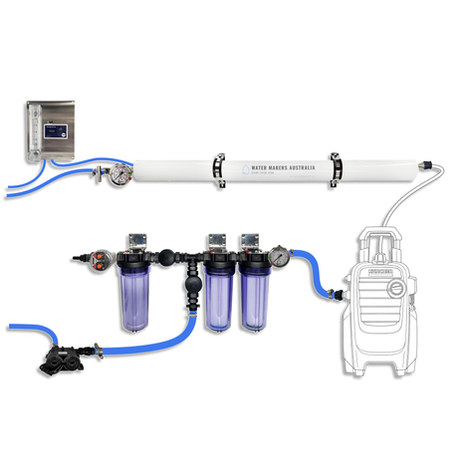
A one-membrane modular marine watermaker with 80 L/h nominal output, remote stainless control panel, standard consumables and direct Australian support.
Explore →Burke Yachtsman Gear Bag 40L - Shop Now Zip Pay | Tamar Marine Skip to content 59 – 63 Holbrook Street, Invermay Online Shop Open 24/7 Products search Contact us 1300 MARINE $ 0.00 0 Cart Burke Yachtsman Gear Bag 40L $ 79.90 Colour Choose an option Black Blue Black Blue Clear - Burke Yachtsman Gear Bag 40L quantity + Add to cart Enquire about this product SKU BAGB-Y24/BLACK* Category Bags - Sail & Gear A Burke classic and customer favourite, the Yachtsman’s Gear Bag is built tough to handle wet, salty conditions while keeping your gear dry and protected. Made from double coated waterproof…
Explore →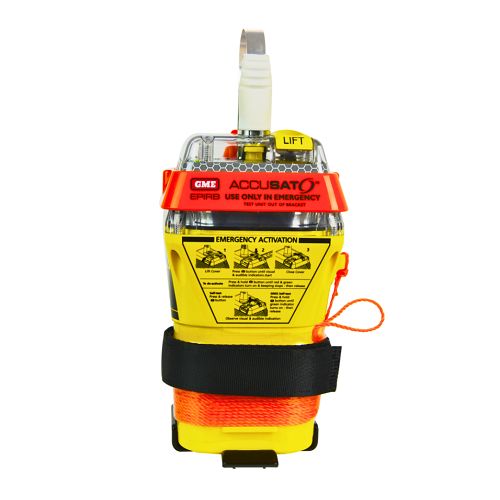
A 10‑year battery EPIRB with integrated GNSS (supports GPS and Galileo), infrared strobe and 121.5 MHz homing signal. Approved for worldwide COSPAS‑SARSAT operation.
Explore →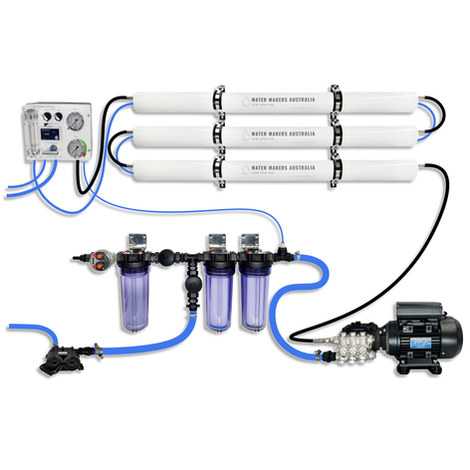
A three-membrane modular watermaker with 200 L/h nominal output and up to 240 L/h family-level marketing, for larger crews and heavy use.
Explore →