Loading this page…

Loading this page…
Marina service
About
Portland Bay Marina is a distinctive Portland boating base, bringing sheltered harbour berthing, a working waterfront and western Victorian coastal cruising together in one rewarding waterfront destination.
Service area: Portland, Victoria
Keep exploring
Portland Bay Marina gives owners and visiting crews a well-positioned place to arrive, prepare and enjoy the water. Its identity is shaped by sheltered harbour berthing, a working waterfront and western Victorian coastal cruising, creating an experience grounded in the character of Portland.
Whether used as a home base or a passage stop, it connects boaters with both practical waterfront access and the best of the surrounding region.
The facility supports everyday boating through berthing or harbour access, nearby marine capability and convenient shore-side services. Its location helps crews organise vessel needs and return to the water efficiently.
The surrounding cruising ground is a major attraction: sheltered harbour berthing, a working waterfront and western Victorian coastal cruising. Portland Bay Marina provides a natural starting point for exploring Portland and the wider Victorian coast or inland waterway.
Satellite imagery at four heights, from the wider harbour to the berths.
Bermagui is a compact south‑coast fishing port and coastal village on New South Wales’ Sapphire Coast. It’s best known to sailors for its working harbour, access to productive offshore grounds and a reachable string of sheltered bays and beaches. The sailing here mixes short coastal passages, inshore cruising and sheltered daysails rather than long ocean passages; it suits trailer‑able keelboats, motor cruisers and small offshore yachts. Expect a destination where commercial fishing activity and changing swell patterns shape anchorages and arrival choices — preparation and local knowledge pay.

Progress gradually by increasing exposure, practising specific skills, sailing with more experienced crew/skippers, and deliberately training for each new step—start in calm sheltered bays, then move to longer trips, busier waters, stronger winds and finally open coastal passages when you and your crew are consistently competent and comfortable.
Explore →
Plan the trip by setting a clear route and timeline, checking tides and currents for your passage times, identifying safe anchorages/harbours as escape options, and building a conservative margin for delays and weather changes.
Explore →
Carry wearable lifejackets (one per person that fits), a reliable means of distress communication, basic firefighting and bilge items, navigation lights and charts, plus sensible clothing, sun protection and drinking water. Exact legal requirements vary by state and vessel — check the relevant regulator before you go.
Explore →
Pick a ramp that matches your boat size and trailer setup, has safe approach and exit conditions (depth, slope, surface), good onshore parking and flow, and follow simple ramp etiquette: queue, help others, rig off the trailer when clear, and secure your vessel quickly.
Explore →Practical guidance for recreational sailors planning coastal and remote cruising in Western Australia, focusing on tidal planning, reef awareness, navigation and safety preparation tailored to local conditions.
Explore →Practical guidance to help recreational cruising sailors choose and use anchorages around Western Australia. Covers types of sheltered anchorages, seasonal and tidal considerations, anchoring technique, local conditions, common mistakes and a checklist for planning stays from sheltered south coast bays to remote Kimber
Explore →A practical guide to the coastal weather systems that affect sailing along Western Australia's coast, focusing on the Fremantle Doctor, local sea breezes, and linked coastal phenomena. Explains how these systems form, when they tend to occur, how they influence boat handling and passage planning, common mistakes, and a
Explore →A practical guide for recreational sailors planning trips around Shark Bay, focusing on Denham, Dirk Hartog Island and nearby protected anchorages. Covers local conditions, route planning, anchoring, hazards, tides, wildlife considerations and sensible trip planning for coastal cruising in this unique West Australian,́
Explore →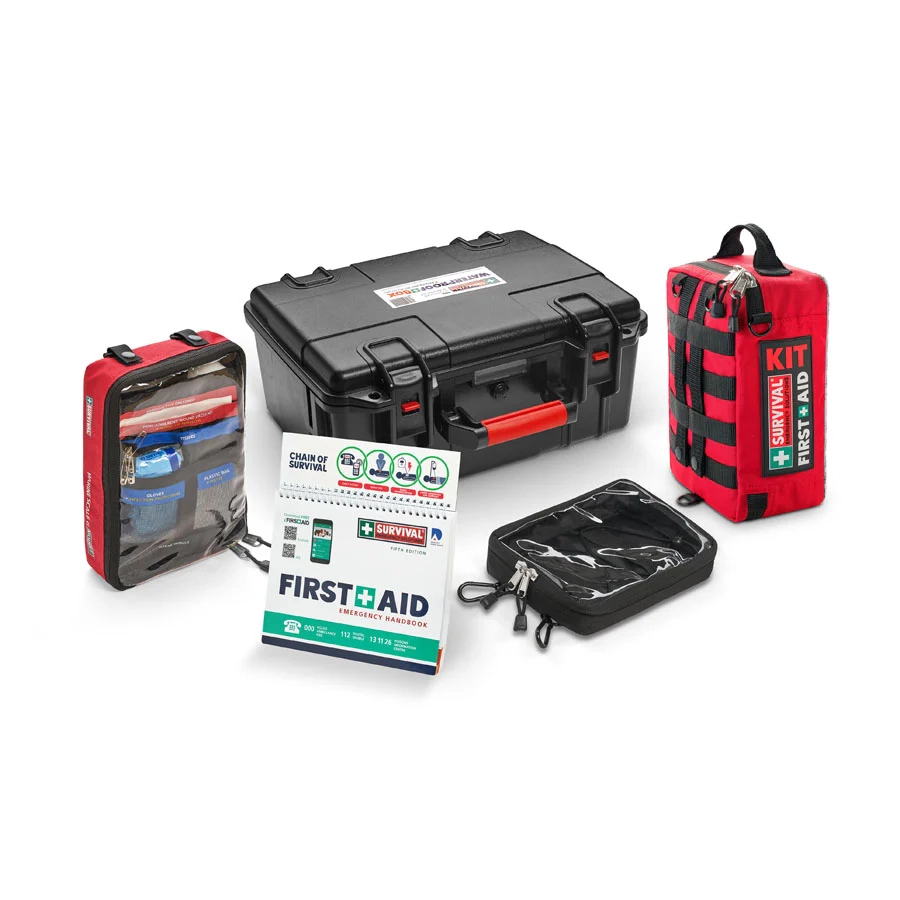
A 142-item marine first aid kit built around the Australian Scale G requirement, with a workplace kit, a Scale G module and a handbook packed in a large waterproof box.
Explore →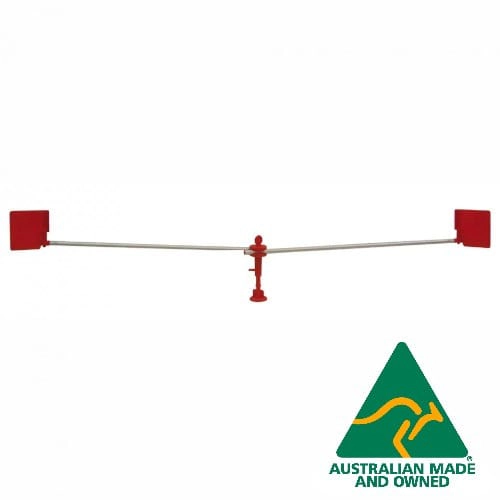
Wind-driven bird repeller with 2 metre rotating arms that keeps birds from roosting on hardtops, biminis, booms and decks. UV stabilised, with a bayonet base and a 12 month warranty.
Explore →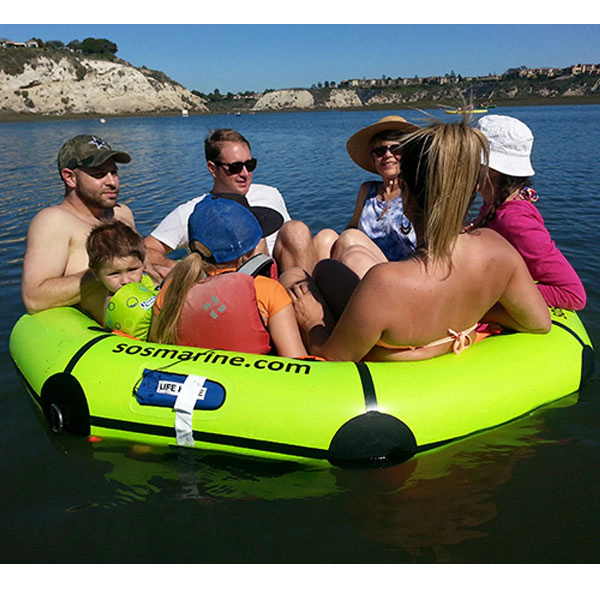
Compact four-person life raft in a valise for inshore and coastal use. It weighs 8.6 kg, packs to 520 x 340 x 170 mm and is serviced every two years.
Explore →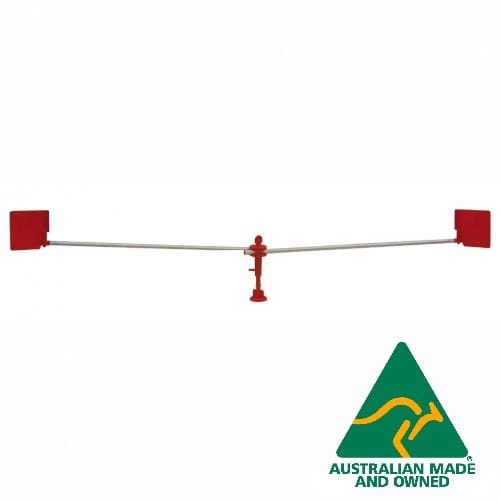
Wind-driven bird repeller with 1 metre rotating arms for smaller areas such as a boom, a solar panel or a small bimini. UV stabilised, with a bayonet base and a 12 month warranty.
Explore →