Loading this page…

Loading this page…
Marina service
About
Queenscliff Harbour is a full-service floating marina with 280 wet berths for vessels from 6 m to 20 m. Current harbour material verifies annual and visitor berthing, shore power/water, security and marina precinct services, with separate harbour pages covering visitor berths and annual berths.
Service area: Queenscliff, Port Phillip Bay (Melbourne), VIC
Keep exploring
Queenscliff Harbour Marina is a state-of-the-art floating marina on Port Phillip Bay. Current harbour pages advertise 280 wet berths for vessels from 6 m to 20 m, with annual allocated berths and visitor berths available by day, week or month. The harbour precinct also includes retail and marine services. Existing material references fuel, dry stack and boatyard services, but this pass only marks heavy services as verified where supported by current harbour/operator pages and asks boaters to confirm service bookings directly.
Verified services include annual wet berths, visitor berths, berth lengths from 6 m to 20 m, shore power/water and harbour precinct services. Fuel, pump-out, dry stack, boatyard and lifting services should be confirmed directly with the harbour before relying on them.
Queenscliff sits near Port Phillip Heads, so tide, weather and entrance conditions matter. Confirm berth bookings and local navigation advice before arrival.
Dangar Island sits in the lower Hawkesbury River close to Brooklyn and is one of Sydney’s small, boat‑access communities. From the water it reads as a wooded, low island with sandy foreshore, a public jetty and private moorings; its position at the mouth of Cowan Creek and close to the main river channel makes it an attractive short‑cruise destination for trailer sailors, runabouts and small cruisers but also one that requires careful local knowledge and respect for resident berths, ferry operations and tidal currents.

Plan the trip by setting a clear route and timeline, checking tides and currents for your passage times, identifying safe anchorages/harbours as escape options, and building a conservative margin for delays and weather changes.
Explore →
Pick a ramp that matches your boat size and trailer setup, has safe approach and exit conditions (depth, slope, surface), good onshore parking and flow, and follow simple ramp etiquette: queue, help others, rig off the trailer when clear, and secure your vessel quickly.
Explore →
Progress gradually by increasing exposure, practising specific skills, sailing with more experienced crew/skippers, and deliberately training for each new step—start in calm sheltered bays, then move to longer trips, busier waters, stronger winds and finally open coastal passages when you and your crew are consistently competent and comfortable.
Explore →
Use a sensible scope (line length), pick good ground, set the anchor with a controlled reverse to load it, and check you’re not dragging by noting fixed references and using a stern line or anchor alarm if needed.
Explore →A practical guide for recreational sailors planning passages to, from or around Eden and Twofold Bay. Covers sheltered anchorages, shore facilities, local weather and tidal considerations, preparing for Bass Strait conditions and a focused equipment and safety checklist.
Explore →A practical guide for recreational sailors planning passages to and around Rottnest Island. Covers anchoring and mooring options, local weather and sea conditions, tide and current considerations, passage planning tips and clear safety checklists tailored to Australian sailing conditions.
Explore →A practical guide for recreational sailors planning voyages to Esperance and the Recherche Archipelago: what to expect, key planning considerations, common anchorages, safety and communications, equipment recommendations and sensible steps for a successful trip in this remote southern WA cruising area.
Explore →Practical guidance for recreational sailors planning to cross coastal bars in New South Wales. Explains how to assess conditions, plan a crossing, prepare equipment and crew, recognise hazards and manage emergencies, with checklists and realistic examples relevant to NSW waters.
Explore →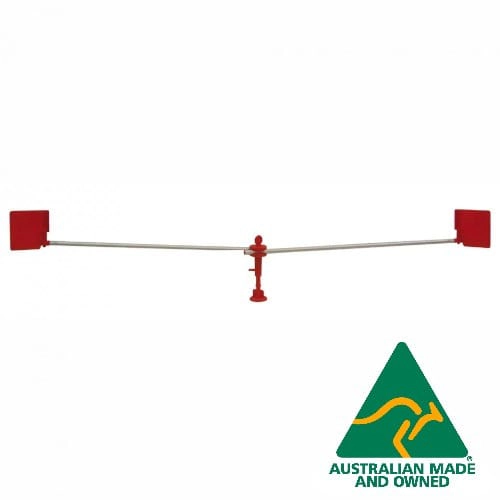
Wind-driven bird repeller with 2 metre rotating arms that keeps birds from roosting on hardtops, biminis, booms and decks. UV stabilised, with a bayonet base and a 12 month warranty.
Explore →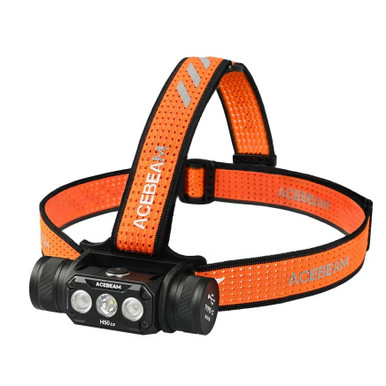
A 2000 lumen headlamp with spot and flood beams, rated IP68 and submersible to 2 metres, with a 141 metre beam and up to 30 hours on low.
Explore →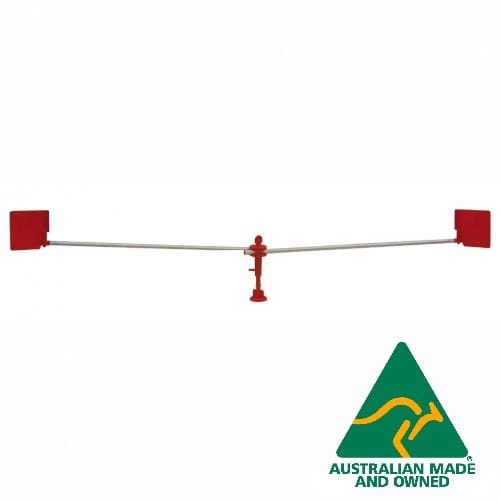
Wind-driven bird repeller with 1 metre rotating arms for smaller areas such as a boom, a solar panel or a small bimini. UV stabilised, with a bayonet base and a 12 month warranty.
Explore →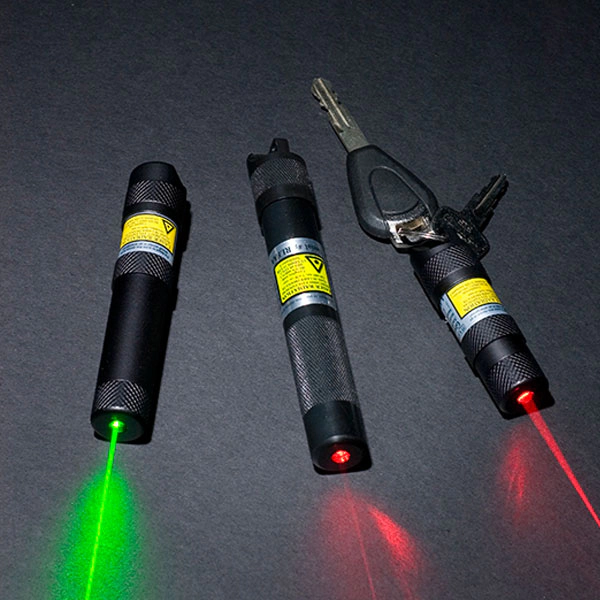
Hand-held, non-flammable laser signalling devices for day and night use, in red, green and Magnum versions, waterproof to 24 m and running for 5 to 72 hours on a battery.
Explore →