Loading this page…

Loading this page…
Marina service
About
St Kilda Marina is a Port Phillip Bay marina with wet and dry berthing, trailer-boat and jetski storage, a public boat ramp and vessel refuelling. City of Port Phillip material confirms the marina includes wet/dry berths, a vessel refuelling facility, boat sales and Coast Guard presence.
Service area: St Kilda, Port Phillip Bay (Melbourne), VIC
Keep exploring
St Kilda Marina is a metropolitan Port Phillip Bay marina about 6 km from Melbourne's CBD. City of Port Phillip project material confirms the current marina includes wet and dry berths, a vessel refuelling facility, boat sales and VF2 St Kilda Australian Volunteer Coast Guard. Public marina listings and service-provider material support the existing database claims for 165 berths and storage/service options, but the profile keeps hardstand/travel-lift claims conservative unless verified by the marina/operator.
Verified services include wet and dry berths, vessel refuelling, public boat ramp context, boat sales and Coast Guard presence. Trailer/jetski storage and marine services are supported by marina/service listings. Travel-lift status is not verified in this pass.
St Kilda Marina is exposed to Port Phillip weather and is part of a redevelopment/project area. Confirm berth, fuel, ramp and storage arrangements before arrival.

Pick a ramp that matches your boat size and trailer setup, has safe approach and exit conditions (depth, slope, surface), good onshore parking and flow, and follow simple ramp etiquette: queue, help others, rig off the trailer when clear, and secure your vessel quickly.
Explore →
Follow the basic COLREGs: keep a proper lookout, maintain safe speed and steering to avoid collisions, know which vessel ‘gives way’ and which ‘stands on’, use correct lights and sound signals, and keep clear of restricted waters and traffic lanes. Check local harbour rules and AMSA guidance for specifics.
Explore →
Write a one‑page plan with the who/what/when/where/how of your trip, keep a copy on board and leave the main copy with a responsible person ashore (and optionally with your club, marina office or local volunteer rescue service).
Explore →
Pick a stable, simple, forgiving dinghy with a single sail or basic sloop rig, affordable handling and easy maintenance—ideally one with a local class or school nearby so you can access coaching and spare parts.
Explore →A concise, practical introduction to the essential parts of a recreational sailing boat for beginners in Australia. Covers hull, deck, rigging, sails, steering, below-decks spaces and safety equipment, with simple explanations, common mistakes and a pre-sail checklist to help new sailors communicate and get underway.
Explore →
A concise, practical guide to the points of sail and how to trim sails effectively for common Australian conditions. Learn the basics of wind angles, sail shape, telltales, reefing considerations and simple steps to improve boat speed and balance.
Explore →A practical guide to preparing, planning and executing a recreational offshore passage along the New South Wales coast. Covers route selection, weather and tidal considerations, vessel and crew checks, safety equipment, communication, watchkeeping and common mistakes, with clear pre‑departure and underway checklists.
Explore →A practical, Australian-focused guide explaining how sails generate drive, the points of sail, and how to trim sails for different conditions. Includes simple explanations of aerodynamic concepts, step-by-step trim checks, common mistakes and clear next steps for practice on the water.
Explore →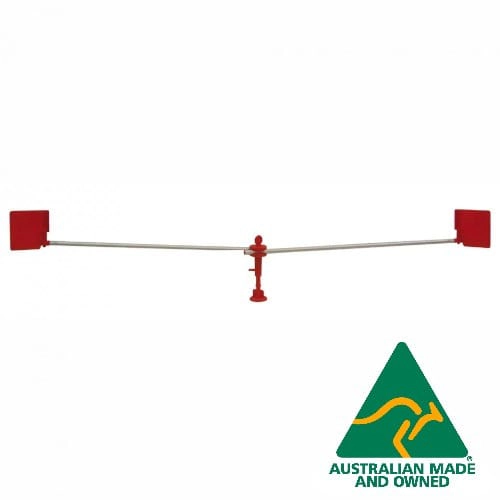
Wind-driven bird repeller with 2 metre rotating arms that keeps birds from roosting on hardtops, biminis, booms and decks. UV stabilised, with a bayonet base and a 12 month warranty.
Explore →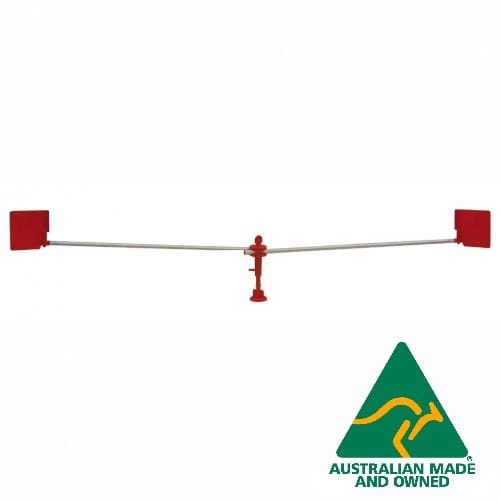
Wind-driven bird repeller with 1 metre rotating arms for smaller areas such as a boom, a solar panel or a small bimini. UV stabilised, with a bayonet base and a 12 month warranty.
Explore →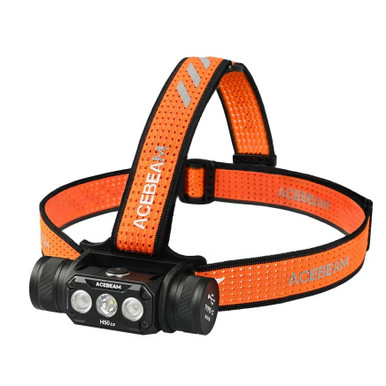
A 2000 lumen headlamp with spot and flood beams, rated IP68 and submersible to 2 metres, with a 141 metre beam and up to 30 hours on low.
Explore →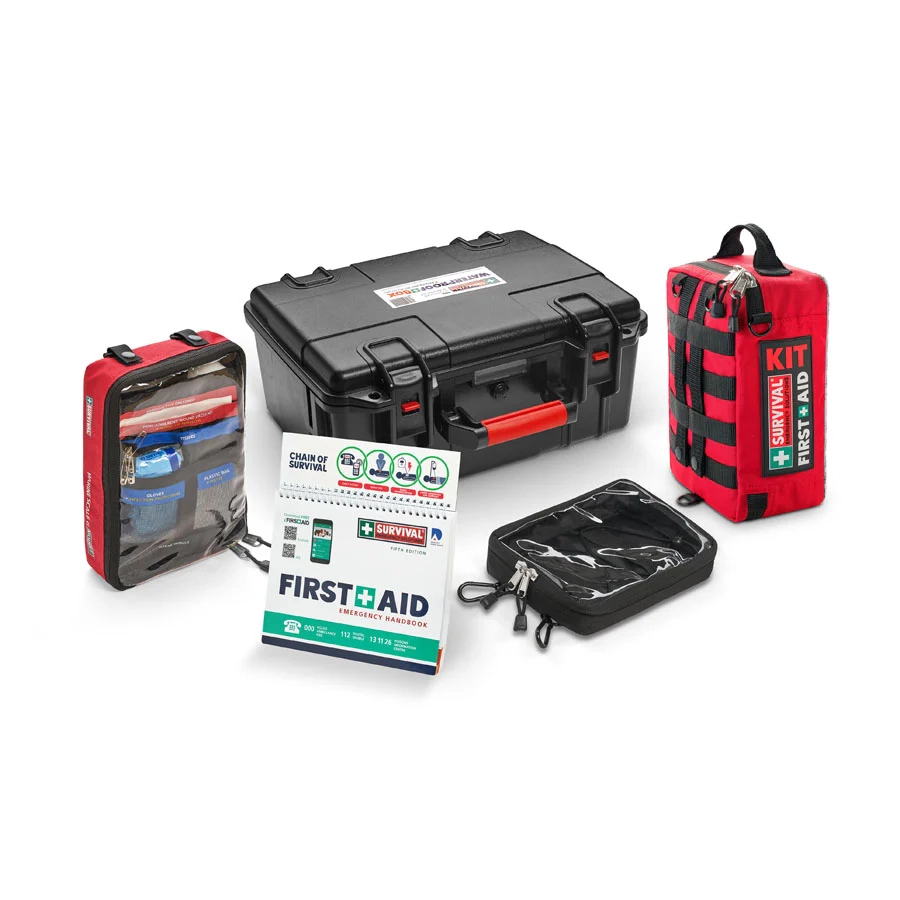
A 142-item marine first aid kit built around the Australian Scale G requirement, with a workplace kit, a Scale G module and a handbook packed in a large waterproof box.
Explore →