Loading this page…

Loading this page…
Sailing charter company
About
Traditional square-rigged tall ships offering Sydney Harbour lunch, dinner and discovery cruises, mast climbs, private charters and multi-day ocean voyages.
Service area: Sydney Harbour and offshore voyages
Sydney Harbour Tall Ships sails three traditional square-riggers from Campbell's Cove in The Rocks: Søren Larsen, a 1949 brigantine for up to 120 passengers; Southern Swan, a three-masted barquentine built in Denmark in 1922 for up to 100; and Coral Trekker, a 1939 square-rigged ketch for up to 36.
On the harbour they run lunch, dinner, afternoon discovery, brunch and wine-and-canapé cruises, along with whale watching, mast climbs, school groups, team building and weddings, and private and corporate charters are available across the fleet. The ships also make longer passages: the 2026 program sailed legs between Sydney, Portland and Port Victoria in South Australia, with guests helping to sail and climb the rig.
This is square-rig sailing rather than a private yacht charter, so it suits groups, celebrations and anyone curious about traditional seamanship. Check each cruise listing for inclusions and how much sail is likely to be set, and ask about mast-climb conditions before booking.
Keep exploring
Claim this listing to manage its contact details, profile and photographs yourself. You will need a free account; a YouSail administrator reviews every claim.
Claim this listingPractical sailing guide to Low Isles, a pair of coral cays and their surrounding reef off the Port Douglas – Cairns coast. Explains geography, seasonal conditions, main sailing areas (Low Island, Woody Island, fringing reef, inner lagoon, approach channels, and the Inner Passage), recognised moorings and visitor options, arrival considerations from Port Douglas, ashore facilities at Port Douglas and Low Isles, local hazards including reef, tidal currents, shoals and marine-park restrictions, regulations and responsible access, suggested day-sails and short cruises, and the types of sailors and

Plan as a chain of conservative daily legs tied to your boat’s real-world fuel and speed in the expected sea state, with confirmed primary and alternate anchorages/berths, fuel legs and back-up fuel options, and a documented emergency/diversion plan (comms, tow and med-evac). Build tidal and weather gates into each leg and carry chart and comms redundancy.
Explore →
A good float plan and a well-stocked emergency kit significantly improve your chances of a safe outcome when cruising remote parts of South Australia’s coastline. The float plan should give someone ashore all the information they need to find you and raise help if you don’t return; the emergency kit should allow you to stabilise the boat, care for injuries, signal for rescue and survive until help arrives.
Explore →
Expect very different seasonal systems across Western Australia: the south‑west (Perth to Albany) has a strong summer afternoon sea breeze (the “Fremantle Doctor”) and winter westerly fronts, while northern WA follows a wet/dry monsoonal cycle with strong seasonal onshore winds, thunderstorms and cyclone risk in the wet season. Local headlands, estuaries and tidal flows often change what you actually feel on the water, so learn the local timing and sheltered venues first.
Explore →
Plan passages across Spencer Gulf or to Kangaroo Island by basing fuel on your boat’s actual consumption plus a generous reserve, choosing sensible staging/stop options that match your boat and crew, and prioritising shelter and weather windows (gale fronts, strong winds and tidal streams can make the gulf uncomfortable or unsafe). Confirm fuel availability, safe anchorages or marinas on your route, and check up-to-date local weather, tide and navigation information before you go.
Explore →A practical guide for recreational sailors planning short trips or multi-day cruises around Port Stephens, the Myall Coast and nearby offshore waters. Covers local geography, common conditions, navigation considerations, anchoring and mooring tips, and safety checklists tailored to Australian conditions.
Explore →A practical guide for recreational sailors planning trips in Jervis Bay. Covers typical weather patterns, sheltered anchorages, common hazards, marine park considerations, anchoring techniques and sensible trip planning for day sails and short cruises.
Explore →Practical guide for recreational sailors planning day sails and short cruises in Geographe Bay, focusing on launching, local conditions, anchorages and safety around Busselton, Dunsborough and Cape Naturaliste.
Explore →A practical guide for recreational sailors planning day sails or short cruises around Batemans Bay, Broulee and the Clyde River. Covers local conditions, safe approaches, anchorages, launching, tides, common hazards, and checklists for trip planning and on-water decisions.
Explore →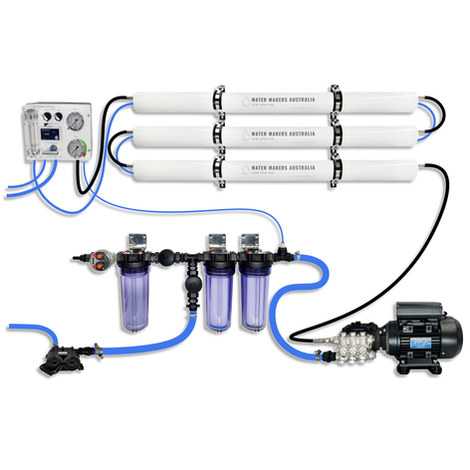
A three-membrane modular watermaker with 200 L/h nominal output and up to 240 L/h family-level marketing, for larger crews and heavy use.
Explore →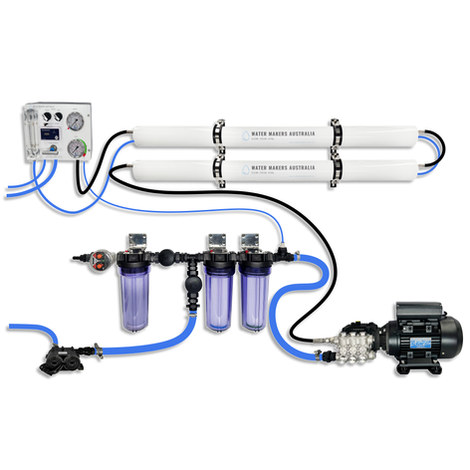
A two-membrane modular watermaker with 140 L/h nominal output, aimed at families and liveaboards that want more water per run.
Explore →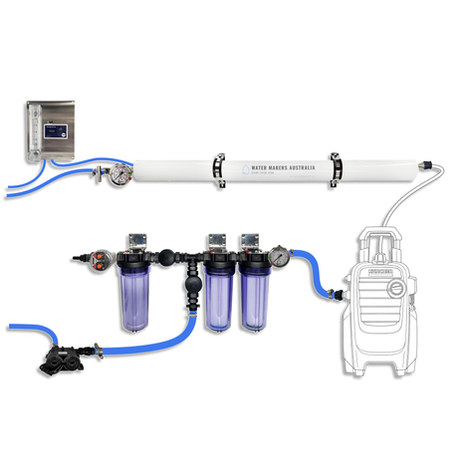
A one-membrane modular marine watermaker with 80 L/h nominal output, remote stainless control panel, standard consumables and direct Australian support.
Explore →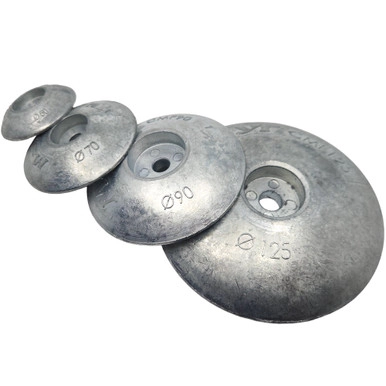
Imported from All Marine Spares. This draft has no editorial summary yet.
Explore →