Loading this page…

Loading this page…
Marina service
About
Glamorgan Spring Bay Council manages Triabunna Marina alongside its wharf and tour-boat precinct. Council's February 2026 marine-infrastructure minutes say the marina is generally full in season and casual space comes from a small council allocation or sub-leases. Contact the Triabunna Port Control Officer on 0422 808 166 before arrival.
Service area: Triabunna, Glamorgan Spring Bay (East Coast Tasmania)
Keep exploring
Triabunna Marina is part of the council-managed waterfront at Spring Bay, with recreational, tour and commercial fishing berths and a nearby public boat ramp. Council marine-infrastructure minutes from February 2026 describe the marina as generally full during the busy season: council retains a couple of casual berths and other short stays may be sub-leased from berth holders. Space is therefore not guaranteed. An older capacity, fuel-hours claim, precise fees and proposed harbour expansion should not be treated as current operating facts. Contact the Port Control Officer or council for berth terms and facilities.
Ask the Triabunna Port Control Officer on 0422 808 166 or council office on (03) 6256 4777 about permanent and casual berths. February 2026 council minutes describe a small council-controlled casual allocation and sub-leases from berth holders, with the marina generally full in season. The council's regional overview identifies a nearby public boat ramp and mixed recreational, tour and commercial fishing waterfront. Confirm fuel, power, amenities and charges directly; older precise service claims are not verified here.
Triabunna is an active wharf and ferry precinct for Maria Island. Check berth availability and port instructions with the council before arrival, particularly in the busy season.
Satellite imagery at four heights, from the wider harbour to the berths.

Taking pets between Australian states and into marinas or national parks is governed by state and territory biosecurity/quarantine rules, local council and marina policies, and the management rules of parks. Requirements vary by jurisdiction and by the species of animal, so check the relevant state/territory biosecurity office, the park management agency and the marina operator before you travel.
Explore →
Pick a ramp that matches your boat size and trailer setup, has safe approach and exit conditions (depth, slope, surface), good onshore parking and flow, and follow simple ramp etiquette: queue, help others, rig off the trailer when clear, and secure your vessel quickly.
Explore →
Rig and de-rig a small dinghy by following a consistent, step-by-step sequence: prepare the boat on shore, fit spars and foils in a stable order, control sails and running rigging so lines don’t tangle, check fittings and safety gear, and reverse the process when coming ashore—always working with a partner when possible and staying aware of wind and tide.
Explore →
Write a one‑page plan with the who/what/when/where/how of your trip, keep a copy on board and leave the main copy with a responsible person ashore (and optionally with your club, marina office or local volunteer rescue service).
Explore →Practical guide for recreational sailors planning passages, anchorages and visits to Ningaloo Reef and the Exmouth coast. Covers anchoring considerations, marine park rules and how local weather, tides and currents affect safety and enjoyment.
Explore →A practical guide for recreational sailors planning trips in Jervis Bay. Covers typical weather patterns, sheltered anchorages, common hazards, marine park considerations, anchoring techniques and sensible trip planning for day sails and short cruises.
Explore →Practical guide for recreational sailors planning passage on the Hawkesbury River: how to plan around tides, choose anchorages, read local conditions and prepare the boat and crew for a safe, comfortable trip.
Explore →A practical guide for recreational sailors planning day sails or short cruises around Batemans Bay, Broulee and the Clyde River. Covers local conditions, safe approaches, anchorages, launching, tides, common hazards, and checklists for trip planning and on-water decisions.
Explore →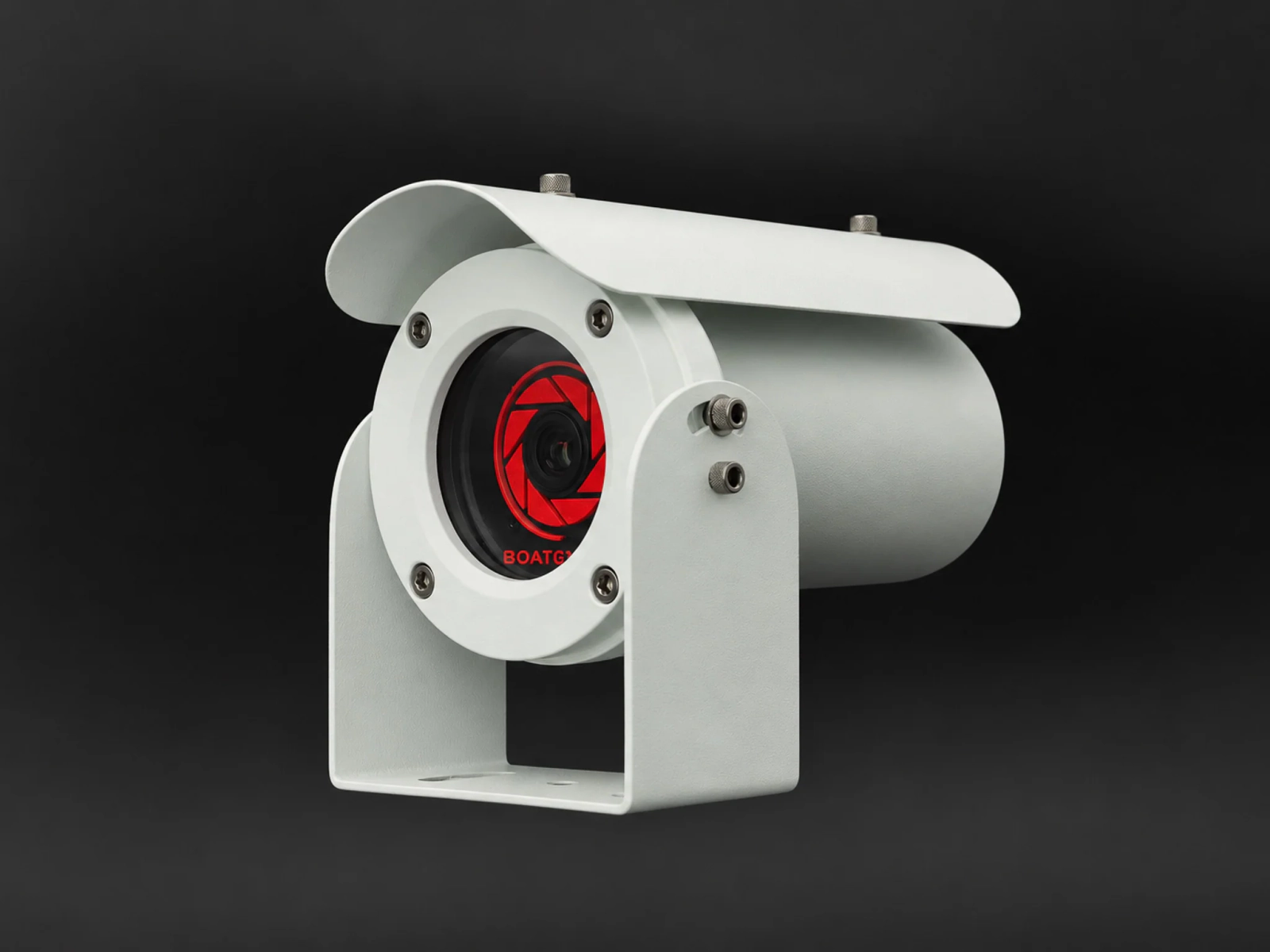
The original BoatEye360 full-colour low-light camera: the same 0.0001 lux sensor as the V2 in a larger 316L stainless housing, with HDMI and analog output, at a lower price.
Explore →
A four-sticker pack (one F01, two F03 and one F09) that puts automatic fire suppression in the electrical panel, battery compartment, gas locker and engine space in one purchase.
Explore →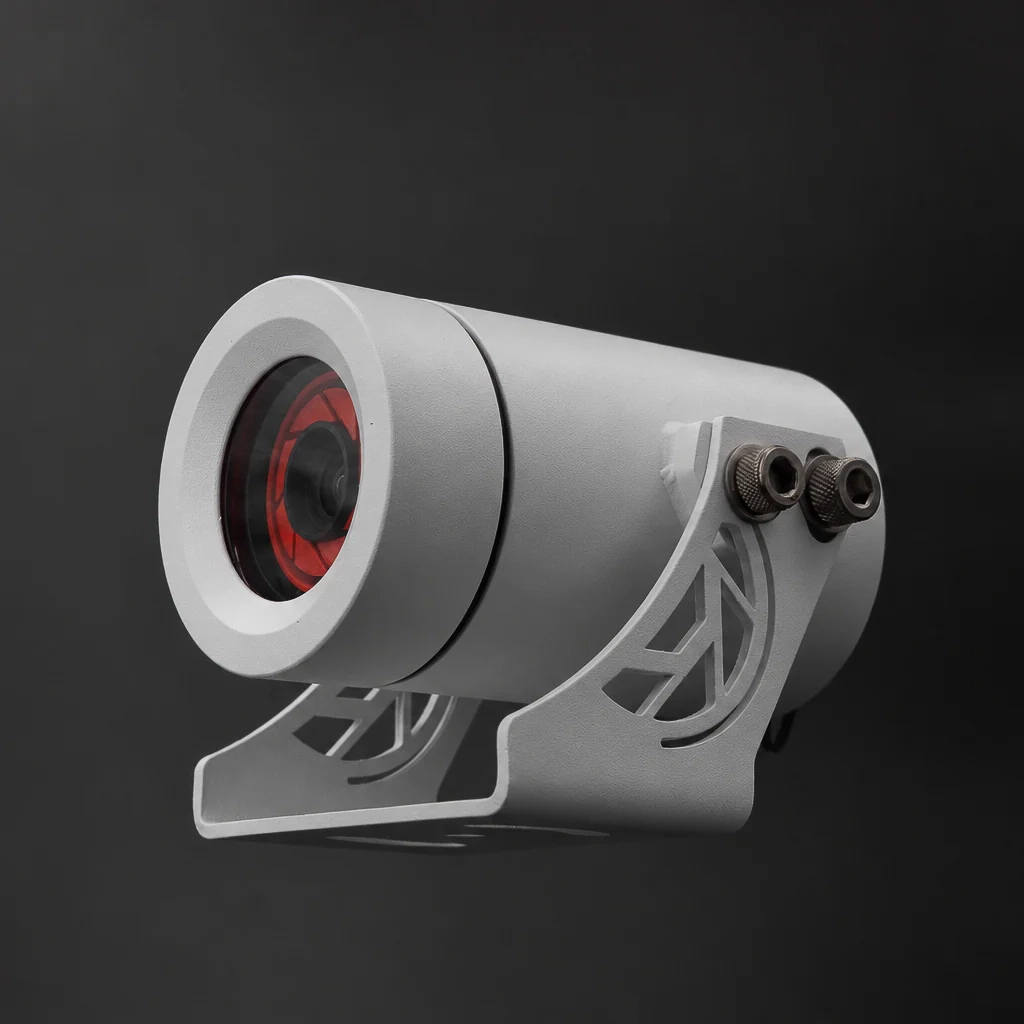
Full-colour low-light marine camera rated at 0.0001 lux, with 1080p HDMI and analog output, in a sealed IP69 316L stainless housing that feeds most chartplotters.
Explore →
Push-to-talk radio that uses 4G mobile networks where there is coverage and a built-in 16-channel analog radio where there is none, with GPS and SOS. Sold as a two-pack.
Explore →