Loading this page…

Loading this page…
Marina service
About
Bayview Marina is a secure Bayview/Darwin floating marina with 128 berths for vessels up to 20 m, power, water, showers, laundry, parking and CCTV-controlled access.
Service area: Bayview (Darwin), Northern Territory
Keep exploring
Use this listing for Bayview Marina as a secure residential-style Darwin marina. The operator confirms 128 floating berths for vessels up to 20 m LOA, 7 m beam and 2.5 m draft, plus power, fresh water, rubbish removal, laundry, allocated parking, BBQ/common area and fob/CCTV security.
Berthing is the core business: floating berths from 9 to 21 metres accommodate monohulls and multihulls, with vessels charged by berth size and required to sit fully within the berth envelope, bowsprits, davits and duckboards included. Every berth has 240-volt, 15-amp power through weatherproof sockets and fresh water; the marina publishes unusually detailed electrical rules, warning tenants about electrolysis on its copper-based earthing system and insisting on compliant leads and AS/NZS 3004 electrical standards, with surcharges for high-consumption vessels.
Amenities are practical rather than luxurious: showers and toilets opened by electronic fob, a laundromat, and a barbecue and seating area in the common space. There is no fuel wharf inside the marina and none permitted beyond 20-litre approved jerry cans; bulk fuelling is directed to the Cullen Bay jetty outside that marina's lock. The lock is the operational heart of the place, with maximum dimensions of 26 metres length, 7 metres beam and 2.5 metres safe draft, normally working 06:00 to 21:00; after-hours movements need 24 hours' notice and attract a $100 call-out fee.
The lockmaster (0477 661 130, VHF channel 68, callsign 'Bayview Lock') must be booked before any first entry, and all berthing is arranged and paid for in advance. Entry conditions include proof of $10 million third-party property insurance and, for vessels arriving from overseas, Cairns or the Torres Strait, NT Fisheries aquatic biosecurity clearance (0413 381 094). Liveaboard rates are quoted on a two-adult basis with additional adults at $25 per week, and tenants receive mail care of the local post office.
Repairs and haul-out are not offered on site; berth holders use the hardstands at Dinah Beach or the slipway at Cullen Bay.
The approach sets Bayview apart from most Australian marinas. From Darwin Harbour you round past Stokes Hill Wharf into Frances Bay, then work up Sadgroves Creek on a rising tide: around four metres of water is needed to reach the lock comfortably, and at springs the marina is simply inaccessible at both high and low water extremes. The creek channel is poorly marked and dotted with permanent moorings sitting in the deeper water, so first-timers are advised to talk tides and track with the lockmaster before leaving the harbour proper.
Lock coordinates are published (12 26.548 S, 130 51.563 E) and the marina sits about 500 metres upstream of Tipperary Waters on the same creek, so the two share the same tidal window. Once locked in, the practical consideration is supplies: there are no shops or eateries in the estate, the CBD is a solid 40-minute walk in the humidity, and most tenants plan on a car, taxi or bus for provisioning runs to the Stuart Park or city supermarkets.
Darwin Harbour itself offers easy daysailing, with Fannie Bay and Frances Bay as the standard anchorages, both prone to afternoon sea-breeze chop. The cruising calendar is shaped by the October-to-May cyclone season, when a locked, drainable basin earns its keep, and the dry season, when Darwin fills with yachts staging for the Kimberley coast, the Tiwi Islands or Indonesia. Crocodiles are a fact of life in the creek and harbour; swimming from the boat is not done, and dinghy trips keep hands inside the gunwales.
Satellite imagery at four heights, from the wider harbour to the berths.
Recently received AIS vessel positions around Bayview Marina. The traffic display loads automatically.
Live traffic will appear after Bayview Marina has verified map coordinates.
Batemans Bay and the Clyde River form a classic NSW South Coast cruising region where a sheltered, tidal estuary meets a short, island‑dotted entrance to the Tasman Sea. It’s distinctive for easy access from Canberra, a mix of river and bay sailing, a compact marina and mooring network, and a river entrance (the Clyde River bar) that can change rapidly. The area suits day sails, weekend cruising, trailer‑boat exploration and sheltered coastal passages; offshore or long‑passage plans require careful timing and local knowledge. Preparation for tidal flow, variable southerly swells and shallow, s

Activate an EPIRB or PLB only when you are in grave or imminent danger and need search and rescue; use VHF and contact Marine Rescue for urgent help, to request assistance, or to relay information when you have time-critical but non-life-threatening problems.
Explore →
Fit simple, practical modifications: secure non-slip surfaces and handholds, safe barriers and lifelines, a shaded rest area, proper ventilation, accessible fresh water and food storage, and appropriate flotation and ID for the pet. Tailor each item to your boat size, the pet’s size and temperament, and how you use the boat.
Explore →
Plan to use tide and local knowledge, slow and steerable power, and deliberate positioning to work with—rather than fight—strong streams and eddies when entering or leaving Tasmanian harbours.
Explore →
A regular, layered maintenance routine combining hull cleaning, targeted anti-fouling management, cathodic protection and systems checks will substantially reduce marine growth and corrosion for boats kept year‑round in South Australian waters. Focus on preventing attachment and electrochemical attack, then inspect and act more often if you’re in warm, nutrient-rich or high‑traffic sheltered waters.
Explore →A practical guide for recreational sailors on using VHF marine radios safely and effectively in Australian waters: basic operation, channel use, emergency procedures, DSC basics, common mistakes and a ready checklist for pre-departure and on-water use.
Explore →A practical guide for recreational sailors planning visits to Albany and King George Sound. Covers the main anchorage areas, typical local weather patterns, tidal and current considerations, navigational hazards, on-the-water etiquette and a pre-departure checklist to help you plan a safe passage and enjoyable stopover
Explore →A practical guide for recreational sailors planning voyages to Esperance and the Recherche Archipelago: what to expect, key planning considerations, common anchorages, safety and communications, equipment recommendations and sensible steps for a successful trip in this remote southern WA cruising area.
Explore →A practical guide for recreational sailors planning passages to, from or around Eden and Twofold Bay. Covers sheltered anchorages, shore facilities, local weather and tidal considerations, preparing for Bass Strait conditions and a focused equipment and safety checklist.
Explore →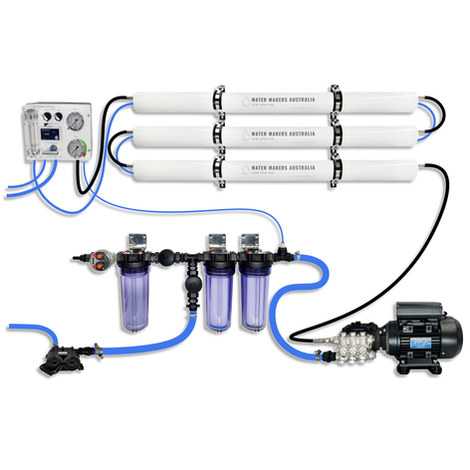
A three-membrane modular watermaker with 200 L/h nominal output and up to 240 L/h family-level marketing, for larger crews and heavy use.
Explore →
Self-contained, battery-powered plug‑and‑play autopilot designed for standard hydraulic steering systems.
Explore →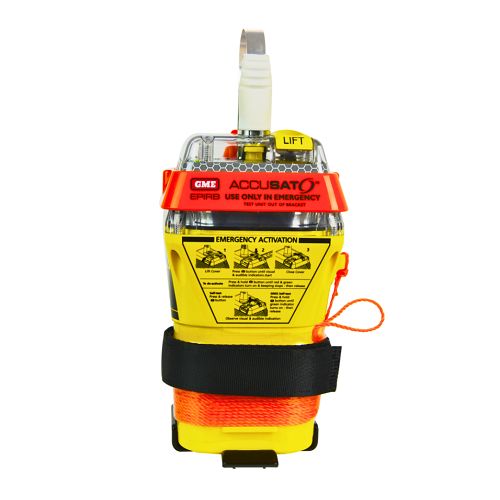
A 10‑year battery EPIRB with integrated GNSS (supports GPS and Galileo), infrared strobe and 121.5 MHz homing signal. Approved for worldwide COSPAS‑SARSAT operation.
Explore →Burke Yachtsman Gear Bag 40L - Shop Now Zip Pay | Tamar Marine Skip to content 59 – 63 Holbrook Street, Invermay Online Shop Open 24/7 Products search Contact us 1300 MARINE $ 0.00 0 Cart Burke Yachtsman Gear Bag 40L $ 79.90 Colour Choose an option Black Blue Black Blue Clear - Burke Yachtsman Gear Bag 40L quantity + Add to cart Enquire about this product SKU BAGB-Y24/BLACK* Category Bags - Sail & Gear A Burke classic and customer favourite, the Yachtsman’s Gear Bag is built tough to handle wet, salty conditions while keeping your gear dry and protected. Made from double coated waterproof…
Explore →