Loading this page…

Loading this page…
About
Cullen Bay Marina is a protected lock-access Darwin marina with 10-25 m powered berths, security patrols, water/power, fuel outside the lock and a waterfront dining precinct.
Service area: Cullen Bay / Darwin, NT
Keep exploring
Operator and tourism sources note 10-25 m berths, power and water, lock operation generally 6am-11pm, fuel just outside the lock/ferry jetty, security patrols/video surveillance, and nearby restaurants, cafe, bar, gym and laundry.
Berths from 10 to 25 metres are offered for long and short-term rental, all with power and water, under 24-hour staffing with security patrols and CCTV. The lock runs on the hour from 6am to 11pm seven days a week (after-hours by special arrangement), taking vessels to 25 metres LOA, 8.5 metres beam and 2.5 to 3 metres draft depending on tide; the lockmaster answers 0419 421 363 and VHF channel 11 ('Cullen Bay Lock'), wants at least an hour's notice and a reconfirmation 15 minutes out.
Entry paperwork includes a prior berth booking, $10 million third-party liability insurance, an aquatic biosecurity clearance (0413 381 094) and a one-off marina administration and entry fee that cruisers report at around $250. Permanent liveaboard is not permitted, though crew of visiting vessels may stay aboard up to about a month on application for a modest daily surcharge.
Yacht maintenance services operate within the basin, including an internal slipway that has hauled everything from cruising yachts to the Darwin Port pilot boat, plus a waste pump-out facility. Fuel is deliberately kept outside the lock: the ferry jetty in the outer basin carries an independently managed Ausfuel 24-hour self-service diesel and petrol dock, card-operated and strictly bump-and-go, shared with ferries and fishing charter vessels that have priority berthing rights.
Shore amenities include a shower and toilet block, self-service laundry and dry cleaning, wifi, public transport and hire scooters at the gate, and a precinct of restaurants, bars, cafes, a gym and an ice-cream parlour fringing the water. An external waiting pontoon doubles as the Border Force and biosecurity inspection berth.
Approaching Cullen Bay is the least tide-bound entry in Darwin but not without traps. The outer basin and fuel pontoon are usable at all tides, yet at big spring lows the channel in is flanked by shoals and sandbars and deep-draft boats are wise to wait for water; the fuel pontoon takes one vessel at a time, so a queue forms in the busy dry-season mornings and you cannot leave the boat unattended there. The lock is about nine metres wide, so broad multihulls approaching the 8.5-metre beam limit should confirm fit with the lockmaster.
Inside, positions in the lock are managed from the port-side wall, fenders are wanted on both sides and crews tend lines continuously as the water moves. Ashore, Mindil Beach, its casino and the famous dry-season sunset markets are a 10 to 15-minute walk, and the CBD is half an hour on foot, which makes Cullen Bay the most convenient Darwin marina for crew changes and provisioning without a car.
Anchoring options outside include Fannie Bay, and the marina is a standard clearance point for yachts departing for Indonesia or heading down the Kimberley coast. Book well ahead for the June-to-September season: berths over 15 metres are described by regulars as almost unobtainable then. Darwin's wet-season squalls and the October-to-May cyclone window are the weather realities; the locked basin with a controllable water level is the estate's cyclone defence, and the marina is listed among the harbour's designated safe refuges.
Wet-season visitors should note the lock still runs to schedule through the build-up, but afternoon storms can hold traffic briefly; the lockmasters will advise. Duty-free fuel for departing international vessels is arranged through the Fishermans Wharf dock across the harbour rather than at the Ausfuel pontoon.
Satellite imagery at four heights, from the wider harbour to the berths.

Plan the trip by setting a clear route and timeline, checking tides and currents for your passage times, identifying safe anchorages/harbours as escape options, and building a conservative margin for delays and weather changes.
Explore →
Taking pets between Australian states and into marinas or national parks is governed by state and territory biosecurity/quarantine rules, local council and marina policies, and the management rules of parks. Requirements vary by jurisdiction and by the species of animal, so check the relevant state/territory biosecurity office, the park management agency and the marina operator before you travel.
Explore →
Fit simple, practical modifications: secure non-slip surfaces and handholds, safe barriers and lifelines, a shaded rest area, proper ventilation, accessible fresh water and food storage, and appropriate flotation and ID for the pet. Tailor each item to your boat size, the pet’s size and temperament, and how you use the boat.
Explore →
Pick a ramp that matches your boat size and trailer setup, has safe approach and exit conditions (depth, slope, surface), good onshore parking and flow, and follow simple ramp etiquette: queue, help others, rig off the trailer when clear, and secure your vessel quickly.
Explore →A practical guide for recreational sailors planning day sails or short cruises around Batemans Bay, Broulee and the Clyde River. Covers local conditions, safe approaches, anchorages, launching, tides, common hazards, and checklists for trip planning and on-water decisions.
Explore →A practical guide to preparing, planning and executing a recreational offshore passage along the New South Wales coast. Covers route selection, weather and tidal considerations, vessel and crew checks, safety equipment, communication, watchkeeping and common mistakes, with clear pre‑departure and underway checklists.
Explore →A practical guide for recreational sailors planning passages to, from or around Eden and Twofold Bay. Covers sheltered anchorages, shore facilities, local weather and tidal considerations, preparing for Bass Strait conditions and a focused equipment and safety checklist.
Explore →A practical guide for recreational sailors planning trips around Shark Bay, focusing on Denham, Dirk Hartog Island and nearby protected anchorages. Covers local conditions, route planning, anchoring, hazards, tides, wildlife considerations and sensible trip planning for coastal cruising in this unique West Australian,́
Explore →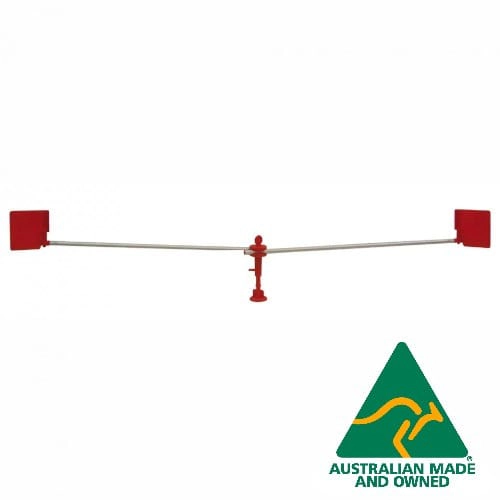
Wind-driven bird repeller with 2 metre rotating arms that keeps birds from roosting on hardtops, biminis, booms and decks. UV stabilised, with a bayonet base and a 12 month warranty.
Explore →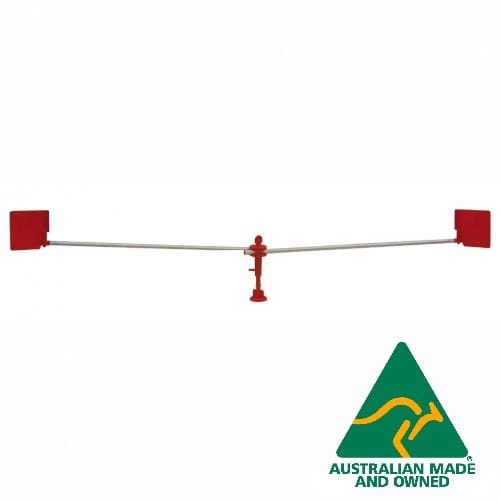
Wind-driven bird repeller with 1 metre rotating arms for smaller areas such as a boom, a solar panel or a small bimini. UV stabilised, with a bayonet base and a 12 month warranty.
Explore →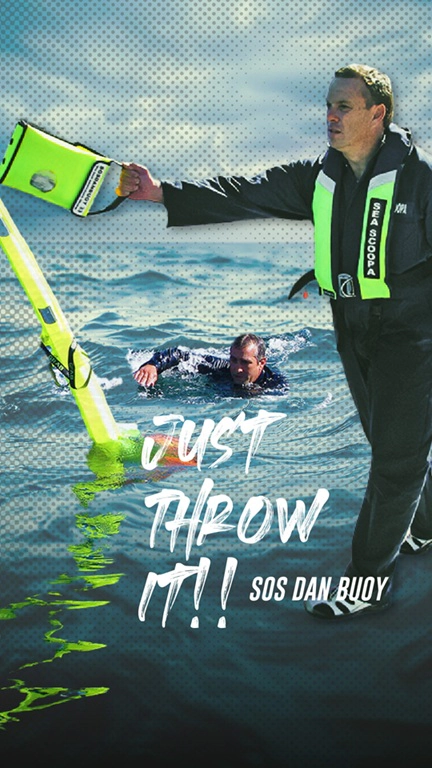
Inflatable man-overboard marker that self-inflates and self-rights when thrown, with a drogue, a SOLAS light and a 2.5 m high-visibility streamer, packed in a 4 kg carry bag.
Explore →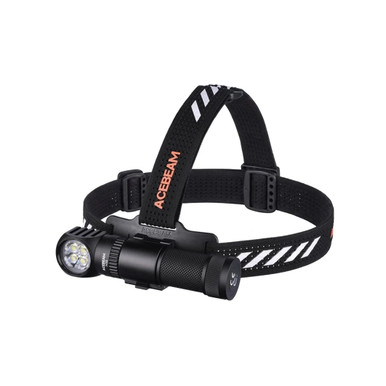
A 4000 lumen quick-detach headlamp with a magnetic base and a red light, powered by a 6400 mAh 21700 battery with USB-C charging.
Explore →