Loading this page…

Loading this page…
About
Boat Books Australia is a specialist chart room, maritime bookshop and navigation store rolled into one. It is a valuable source for paper and electronic charts, Australian cruising guides, RYA training material, commercial-maritime texts, logbooks and plotting tools. The catalogue ranges from Beacon to Beacon and 100 Magic Miles to Admiralty chart references, weather instruments, courtesy flags and waterproof cases, serving recreational sailors, students and professional mariners.
Service area: Australia
For sailors who still enjoy spreading a paper chart across the saloon table, Boat Books Australia is a wonderful rabbit hole. The Sydney business describes itself as Australia’s largest specialist marine bookshop and chart agent, with material for weekend cruising, offshore passage planning, maritime study and commercial operations.
Keep exploring
The shelves include RYA training material, Admiralty chart references such as NP5011, Beacon to Beacon, 100 Magic Miles, Tasmanian Anchorage Guide, Rob’s Passage Planner and specialist commercial series including Reeds.
Browse online or contact the shop if a publication is not listed; specialist titles may still be available to order.
There is no coupon available right now.
Ballina sits at the mouth of the Richmond River on NSW’s far‑north coast. It’s a working river entrance with a compact boat harbour, exposed ocean beaches and a changeable, sand‑dominated bar. For coastal cruisers it offers a useful stop between Tweed Heads and Yamba, sheltered estuary cruising upriver and easy access to open ocean passages — but the river entrance is highly condition‑dependent and demands respectful planning and local knowledge.

Legal safety equipment for recreational boats in South Australia depends on the type, size and where you operate; you must check the current SA government requirements for your vessel. Independently of legal minimums, carry a sensible set of recommended items (lifejackets, means of communication, signaling, fire protection, anchor and basic tools) and make them usable and maintained.
Explore →
A regular, layered maintenance routine combining hull cleaning, targeted anti-fouling management, cathodic protection and systems checks will substantially reduce marine growth and corrosion for boats kept year‑round in South Australian waters. Focus on preventing attachment and electrochemical attack, then inspect and act more often if you’re in warm, nutrient-rich or high‑traffic sheltered waters.
Explore →
Do a seasonal inspection and servicing routine that focuses on hull and antifouling, through-hulls and seacocks, rigging and sails, engine and fuel systems, electricals and batteries, safety gear and bilge systems. Tailor exact tasks to your boat type, age and where you sail in South Australia, and follow manufacturer and marine service advice for anything technical.
Explore →
Carry wearable lifejackets (one per person that fits), a reliable means of distress communication, basic firefighting and bilge items, navigation lights and charts, plus sensible clothing, sun protection and drinking water. Exact legal requirements vary by state and vessel — check the relevant regulator before you go.
Explore →Practical guidance for recreational sailors planning coastal and remote cruising in Western Australia, focusing on tidal planning, reef awareness, navigation and safety preparation tailored to local conditions.
Explore →
Practical guide for recreational sailors in Australia on preparing for and conducting safe night passages. Covers planning, lighting, navigation tools, watch systems, crew briefings, common mistakes and simple emergency steps tailored to Australian conditions.
Explore →Practical guidance to help recreational cruising sailors choose and use anchorages around Western Australia. Covers types of sheltered anchorages, seasonal and tidal considerations, anchoring technique, local conditions, common mistakes and a checklist for planning stays from sheltered south coast bays to remote Kimber
Explore →
A practical guide for recreational sailors in Australia explaining how tides and currents work, how tidal gates (entrance bars, harbour gates and man-made locks) affect navigation, and how to plan passages and manoeuvres safely around tidal influences.
Explore →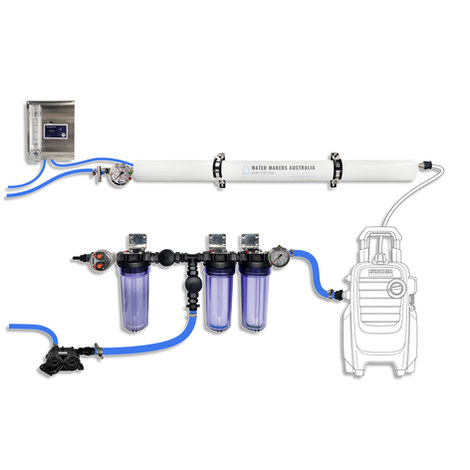
A one-membrane modular marine watermaker with 80 L/h nominal output, remote stainless control panel, standard consumables and direct Australian support.
Explore →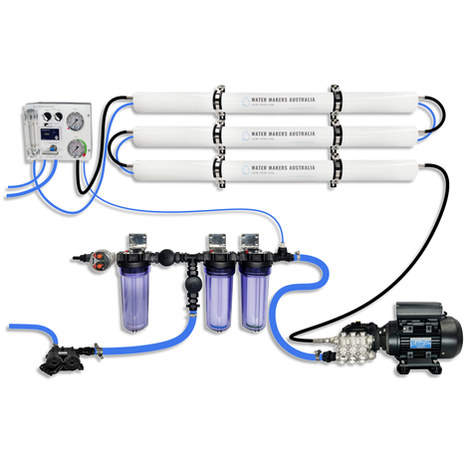
A three-membrane modular watermaker with 200 L/h nominal output and up to 240 L/h family-level marketing, for larger crews and heavy use.
Explore →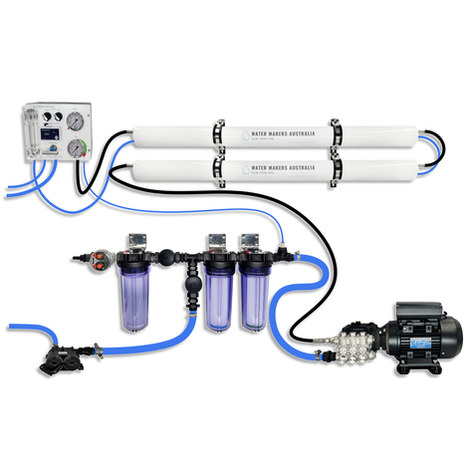
A two-membrane modular watermaker with 140 L/h nominal output, aimed at families and liveaboards that want more water per run.
Explore →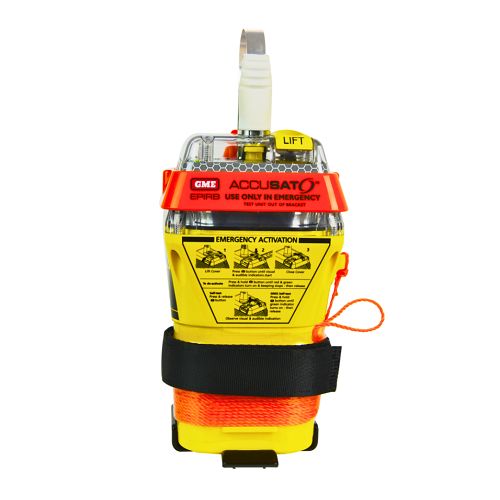
A 10‑year battery EPIRB with integrated GNSS (supports GPS and Galileo), infrared strobe and 121.5 MHz homing signal. Approved for worldwide COSPAS‑SARSAT operation.
Explore →