Loading this page…

Loading this page…
Marina service
About
Elizabeth Street Pier is a working waterfront pier in Hobart's Sullivans Cove. At Elizabeth Pier, the separate MAST-owned Sullivans Cove Public Marina offers up to nine pontoon berths for vessels up to 15 m, normally limited to five hours. Scan the marina's onsite QR code for approval of a longer stay.
Service area: Hobart / River Derwent
Keep exploring
Elizabeth Street Pier is part of Hobart's working Sullivans Cove waterfront and is used for port and event berthing, including Sydney Hobart race arrangements. It should not be described as TasPorts' general casual marina. The adjacent Sullivans Cove Public Marina is a separate MAST-owned short-stay pontoon facility at Elizabeth Pier. MAST advertises up to nine berths, vessels no longer than 15 m and a normal maximum stay of five hours. Longer or overnight use requires scanning the onsite QR code for an issued stay time. Check the authority's current instructions before relying on space.
The pier and the adjacent public marina have different managers. MAST's short-stay marina at Elizabeth Pier has up to nine pontoon berths for boats to 15 m. Its ordinary limit is five hours; use the onsite QR code to request a longer or overnight stay and receive a maximum stay time. Pier/event berthing must be arranged separately with the relevant authority or event organiser. Do not assume the Constitution Dock casual-booking procedure applies to this pier.
This is a busy working and event waterfront. Follow posted berth limits and keep clear of passenger, tour and race-fleet operations.
Satellite imagery at four heights, from the wider harbour to the berths.

Plan to use tide and local knowledge, slow and steerable power, and deliberate positioning to work with—rather than fight—strong streams and eddies when entering or leaving Tasmanian harbours.
Explore →
Regular cleaning, targeted protection (grease, corrosion inhibitors, sacrificial anodes and insulating dissimilar metals), and a disciplined inspection and maintenance routine will keep rigging and fittings lasting longer in Tasmania’s cool, salty marine climate.
Explore →
Treat Tasmanian waters as cold year-round: prevent immersion where possible, wear appropriate layers and a lifejacket, carry reliable distress equipment, and have clear procedures to recover and rewarm anyone who gets wet.
Explore →
In gusty, changeable Tasmanian winds, approach docks or a alongside berth slowly on a controlled angle, keep propulsion and steerage ready to counter gusts, use crew to control fenders and lines, and choose a lee side or sheltered spot where possible. Prioritise maintaining steerage and being able to power off quickly rather than trying to hold a precise position with engines idle.
Explore →
A calm, practical guide to get you ready for your first day sail in Australia. Covers what to pack, simple boat checks, reading the weather, basic crew communication and when it's better to postpone.
Explore →A concise, practical introduction to the essential parts of a recreational sailing boat for beginners in Australia. Covers hull, deck, rigging, sails, steering, below-decks spaces and safety equipment, with simple explanations, common mistakes and a pre-sail checklist to help new sailors communicate and get underway.
Explore →A practical guide for recreational sailors planning voyages to Esperance and the Recherche Archipelago: what to expect, key planning considerations, common anchorages, safety and communications, equipment recommendations and sensible steps for a successful trip in this remote southern WA cruising area.
Explore →Practical guide for recreational sailors planning a coastal cruise from Sydney north to the Queensland border. Covers route options, weather and tidal considerations, planning checklists, common hazards, anchorages and practical examples for a safe, enjoyable trip.
Explore →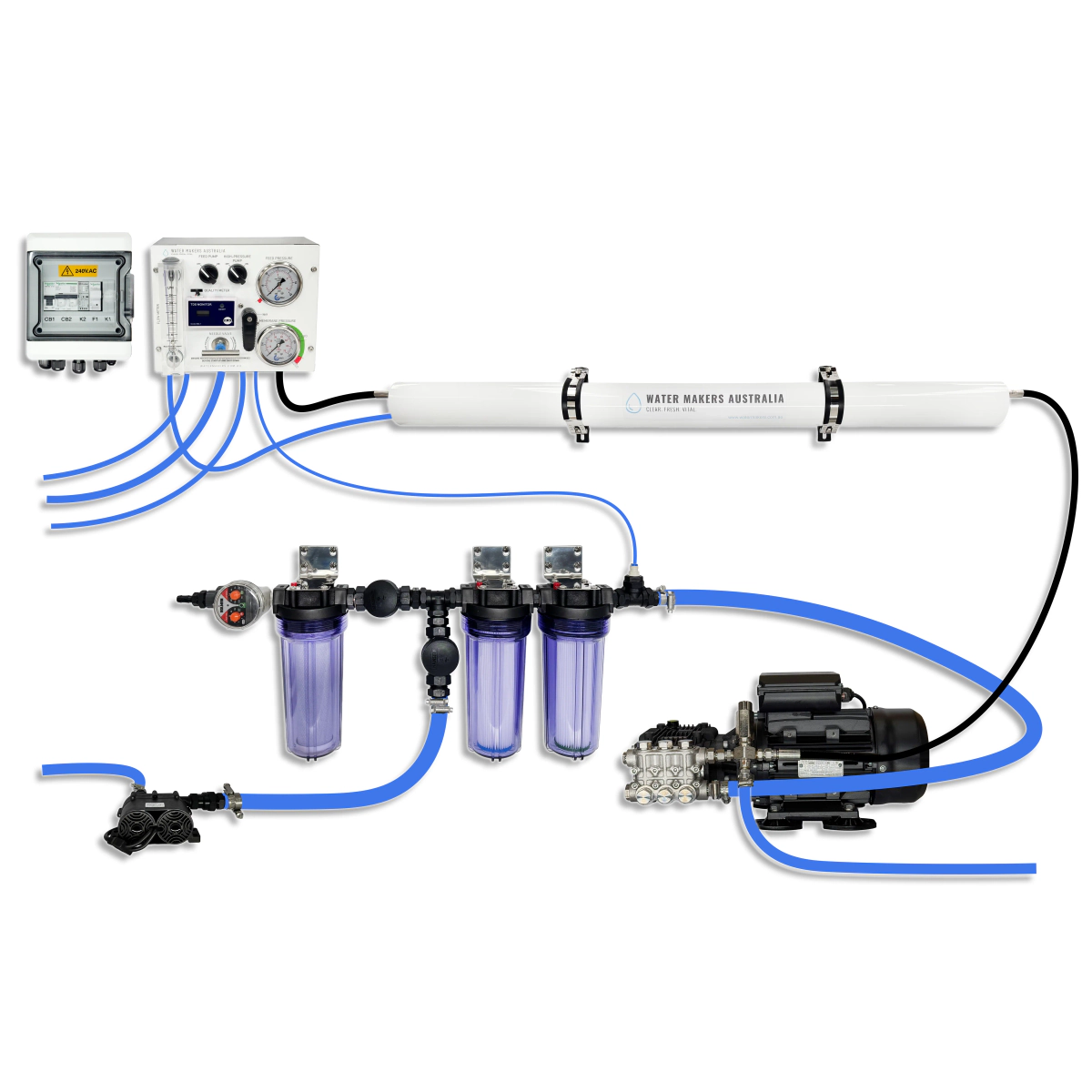
Single-membrane 240 V reverse-osmosis watermaker producing a nominal 80 L/h, built to order in Sydney for cruising boats of about 10 to 15 m with a generator or inverter.
Explore →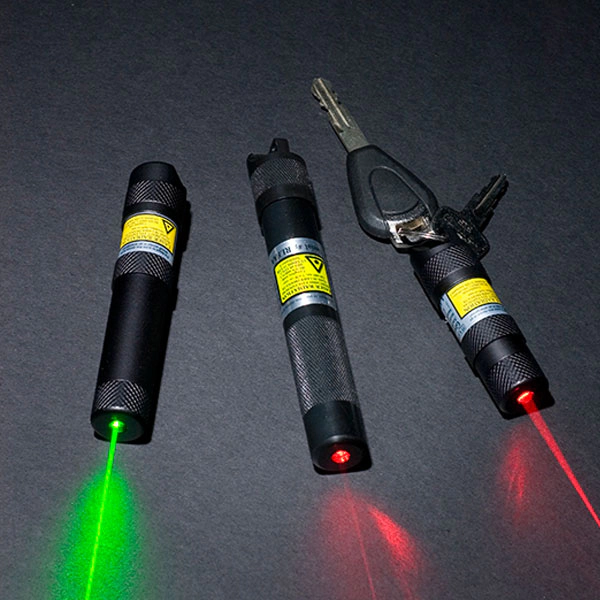
Hand-held, non-flammable laser signalling devices for day and night use, in red, green and Magnum versions, waterproof to 24 m and running for 5 to 72 hours on a battery.
Explore →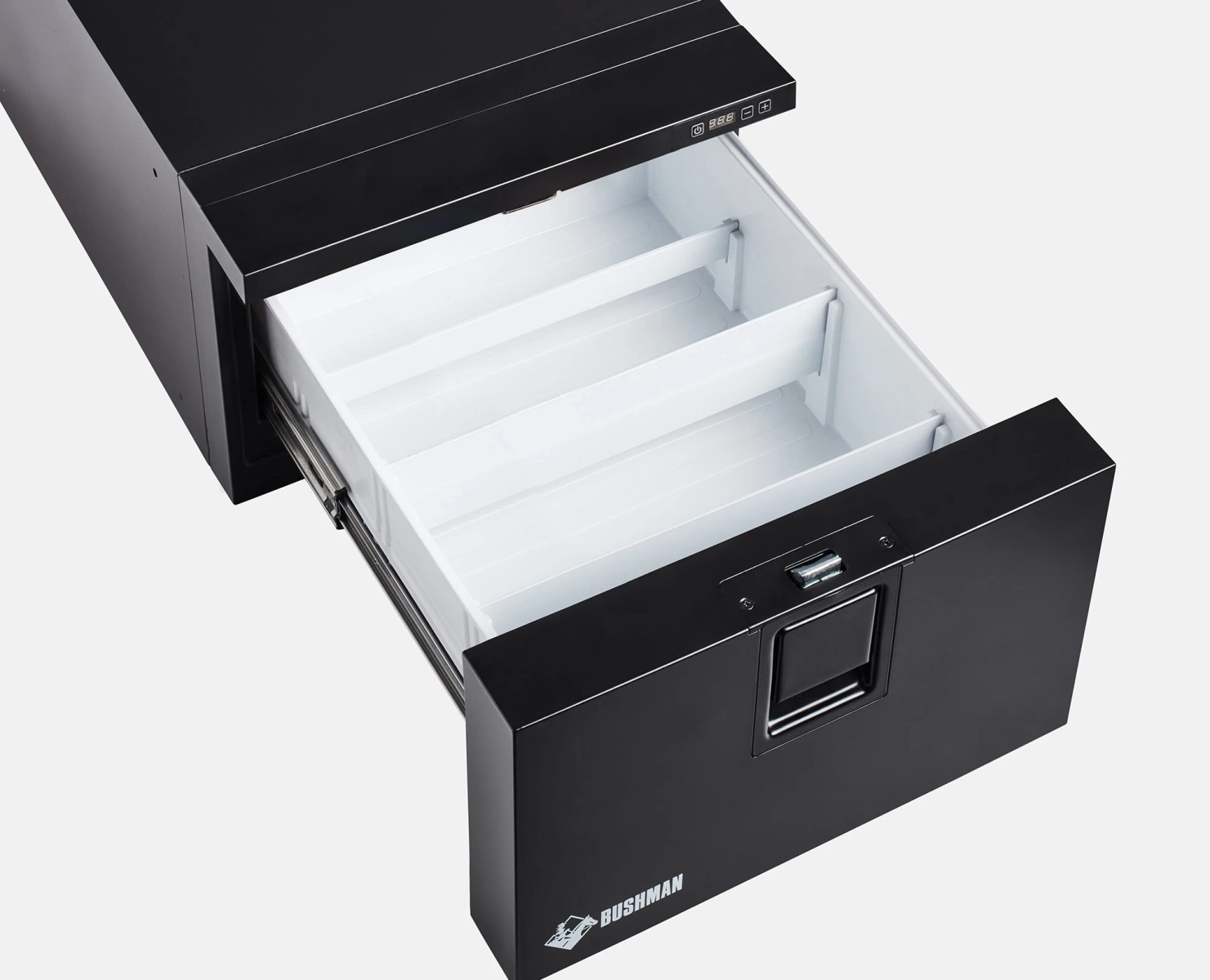
A 40 litre 12/24 V drawer fridge with a Secop Danfoss BD50K compressor, a 35 litre drawer tub, freezing to minus 10 degrees in up to 40 degree heat and a seven-year compressor warranty.
Explore →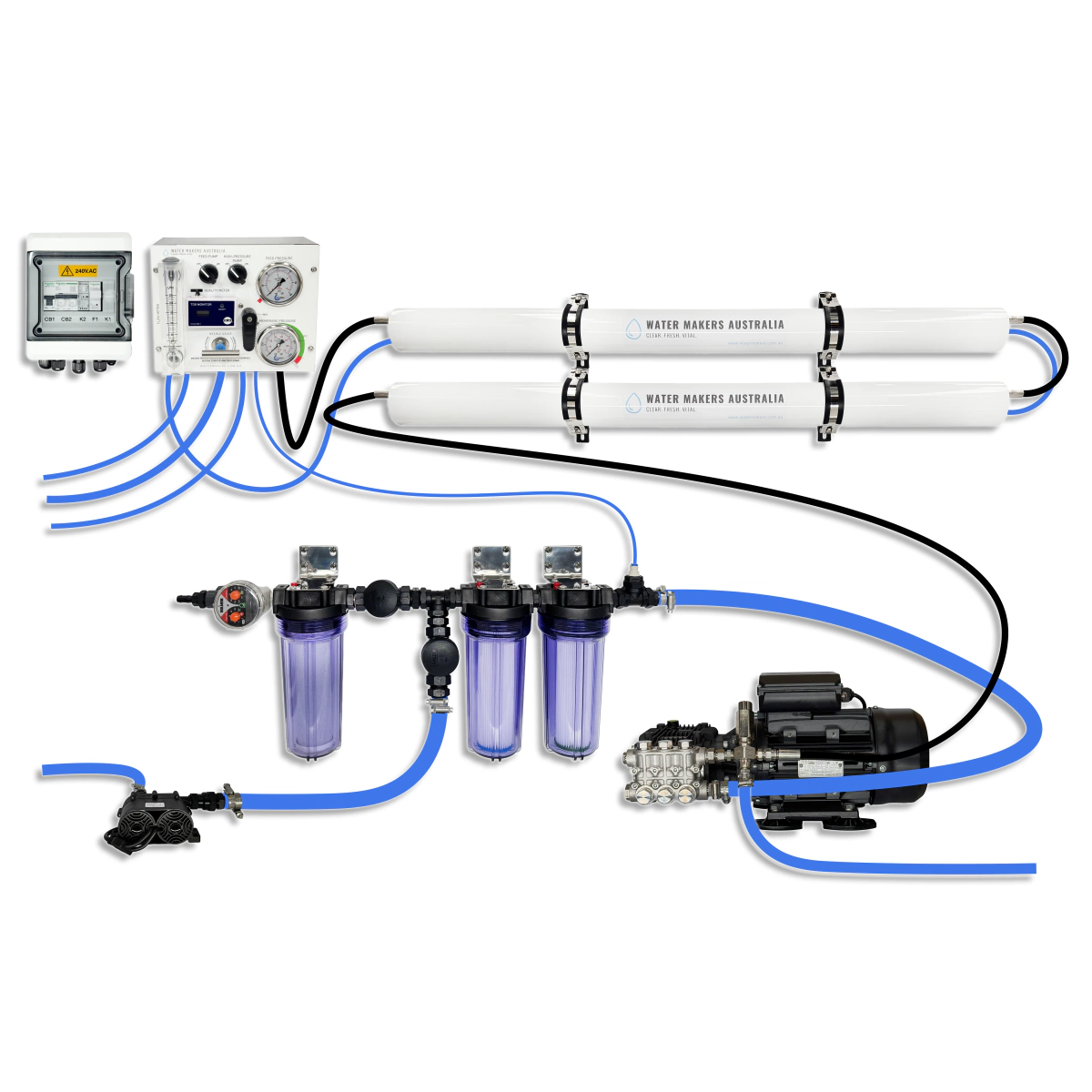
Twin-membrane 240 V reverse-osmosis watermaker producing a nominal 140 L/h, built to order in Sydney for family cruising on boats of about 11 to 18 m.
Explore →