Loading this page…

Loading this page…
Marina service
About
Evans Landing Boat Ramp & Pontoon is a Weipa public ramp and pontoon facility with upgraded parking, amenities, lighting, wash-down and sheltered pontoon infrastructure.
Service area: Weipa, Western Cape York, QLD
Keep exploring
Queensland and marine-infrastructure sources describe the Evans Landing ramp/pontoon, upgraded car parking and amenities, plus wave-attenuator/pontoon works improving sheltered berthing for visiting and local small vessels.
The core facility is a two-lane concrete boat ramp, usable at all tides, with a boat washdown area and a large sealed car and trailer park built in stages by the state. Alongside the ramp sits the wave-attenuating pontoon system completed for the Department of Transport and Main Roads: two large aluminium pontoons, two 12-metre aluminium pontoons and a 12-metre concrete pontoon, replacing an earlier concrete pontoon installed in 2015 that users complained gave inadequate protection.
The attenuated basin creates sheltered berthing space for about five vessels and was specifically designed to take deep-draft boats and visiting yachts, with the outside berths usable in favourable weather. There is no fuel, power, water or chandlery at the facility itself, and no berthing fees are published; it operates as a free public launching and short-term landing point.
What the precinct does offer is proximity to the Evans Landing industrial strip, where a boat and car wash, several mechanical workshops and a hardware store handle outboard and trailer maintenance. Weipa's two service stations sell ice and basic groceries, and Tackle World in town covers terminal tackle and bait. The Queensland TMR facility register lists the ramp under manager North Queensland Bulk Ports with a pontoon attached.
Charter operators and fishing guides run out of the landing daily in season, and the Western Cape Cultural Centre on Kerr Point Drive, overlooking the Embley, is the nearest shoreside amenity, offering refreshments Tuesday to Friday. Boaters needing fuel for larger vessels must arrange it through port-side suppliers, as no public fuel wharf serves the recreational fleet.
Launching here puts you at the meeting point of the Hey and Embley rivers where they empty into Albatross Bay, and local knowledge matters. Weipa's tidal range runs to around three metres, and regulars time launches around the bigger tides; the run-out concentrates bait in creek drains and fires up the barramundi, mangrove jack, fingermark and queenfish the region is known for. The Mission, Hey and Embley systems have been closed to commercial net fishing since the Comalco era, a legacy that underpins the quality of the recreational fishery.
Saltwater crocodiles are a genuine consideration everywhere around the water's edge; locals launch and retrieve without loitering at the ramp toe, and swimming near ramps is not done. The Rocky Point ramp near the Mission River bridge can be awkward below roughly 0.6 metres of tide, which pushes traffic back to Evans Landing on low water. Offshore, boats head south of the port for Spanish mackerel, tuna and reef species, keeping clear of the shipping lanes used by bauxite carriers.
The dry season from May to October is the peak window, when the car park fills before dawn and fishing charters, motherships bound for the Gulf, and visiting four-wheel-drive travellers towing boats all converge on the ramp. Weipa itself is 800-odd kilometres from Cairns, much of it unsealed, so the facility serves a fly-in charter clientele as well as residents. Provisioning is straightforward: Woolworths, butcher, bakery and bottle shops sit in the town centre, and the caravan park runs mine tours for non-fishing days.
Satellite imagery at four heights, from the wider harbour to the berths.
Kenn Reef is a remote coral atoll in the Coral Sea, far off the Queensland coast. A broken reef rim and a few sand cays enclose a lagoon, and reaching it is a long open-ocean passage.

Pick a ramp that matches your boat size and trailer setup, has safe approach and exit conditions (depth, slope, surface), good onshore parking and flow, and follow simple ramp etiquette: queue, help others, rig off the trailer when clear, and secure your vessel quickly.
Explore →
Keep a pet on board by establishing daily cleaning, weekly deep-clean, and regular pest-control routines; focus on waste management, ventilation, washable bedding, food storage and hull inspection to prevent fouling, odour and pests.
Explore →
Pick a stable, simple, forgiving dinghy with a single sail or basic sloop rig, affordable handling and easy maintenance—ideally one with a local class or school nearby so you can access coaching and spare parts.
Explore →
Many pets can enjoy sailing but suitability comes down to temperament, physical fitness and how you introduce them. Do a calm, staged assessment and get a vet check before you take them offshore.
Explore →A concise, practical introduction to the essential parts of a recreational sailing boat for beginners in Australia. Covers hull, deck, rigging, sails, steering, below-decks spaces and safety equipment, with simple explanations, common mistakes and a pre-sail checklist to help new sailors communicate and get underway.
Explore →A practical guide for recreational sailors planning passages to, from or around Eden and Twofold Bay. Covers sheltered anchorages, shore facilities, local weather and tidal considerations, preparing for Bass Strait conditions and a focused equipment and safety checklist.
Explore →A practical guide for recreational sailors planning trips in Jervis Bay. Covers typical weather patterns, sheltered anchorages, common hazards, marine park considerations, anchoring techniques and sensible trip planning for day sails and short cruises.
Explore →A practical guide to the coastal weather systems that affect sailing along Western Australia's coast, focusing on the Fremantle Doctor, local sea breezes, and linked coastal phenomena. Explains how these systems form, when they tend to occur, how they influence boat handling and passage planning, common mistakes, and a
Explore →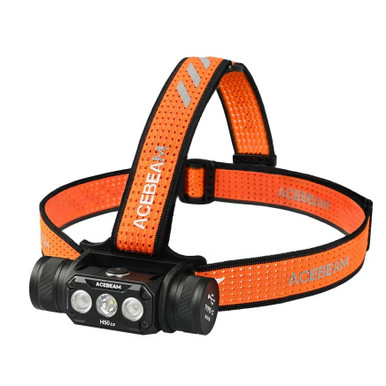
A 2000 lumen headlamp with spot and flood beams, rated IP68 and submersible to 2 metres, with a 141 metre beam and up to 30 hours on low.
Explore →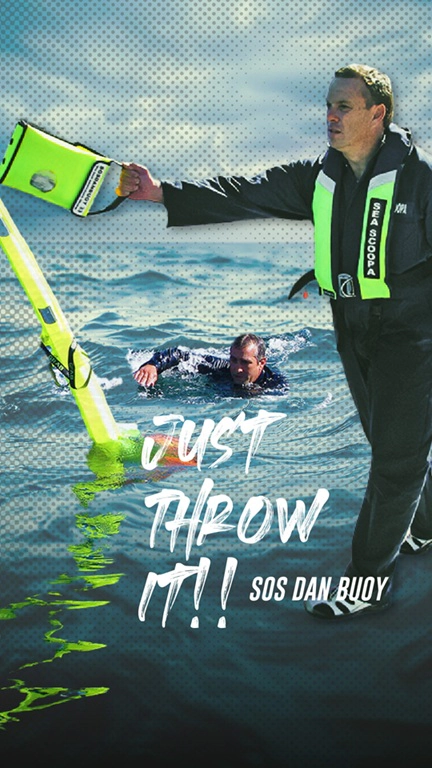
Inflatable man-overboard marker that self-inflates and self-rights when thrown, with a drogue, a SOLAS light and a 2.5 m high-visibility streamer, packed in a 4 kg carry bag.
Explore →
Push-to-talk radio that uses 4G mobile networks where there is coverage and a built-in 16-channel analog radio where there is none, with GPS and SOS. Sold as a two-pack.
Explore →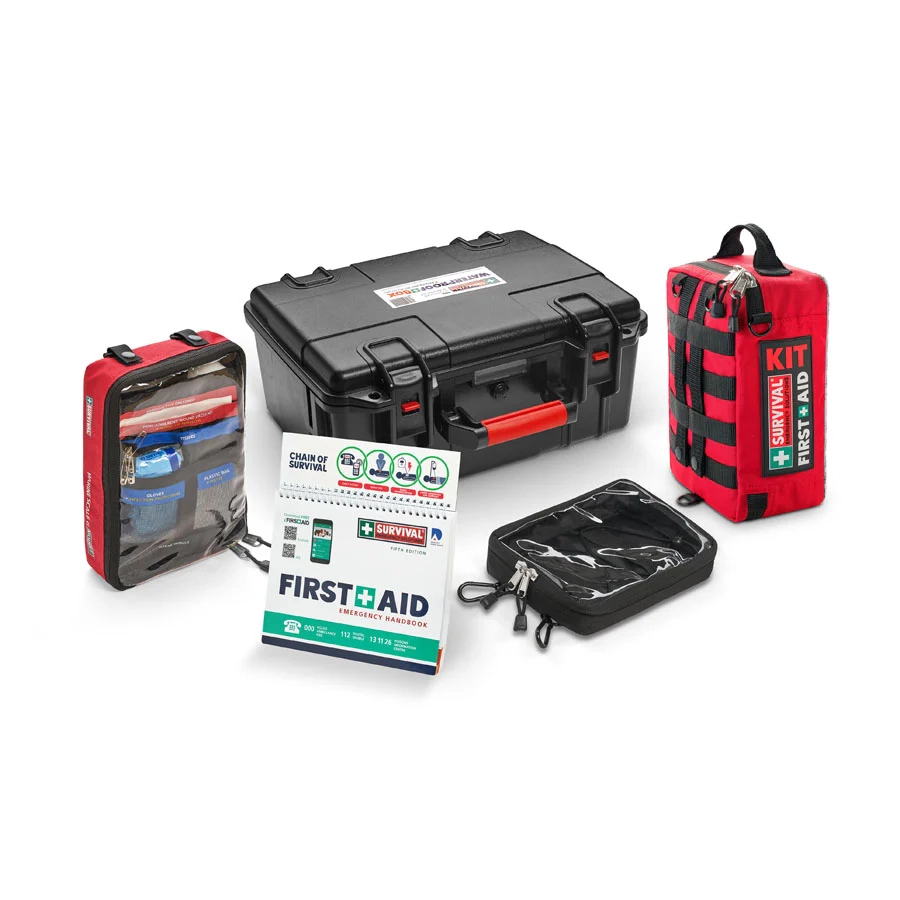
A 142-item marine first aid kit built around the Australian Scale G requirement, with a workplace kit, a Scale G module and a handbook packed in a large waterproof box.
Explore →