Loading this page…

Loading this page…
About
Gladstone Marina is a large Gladstone Ports Corporation marina with around 320 berths, fixed wharf and pontoon moorings, diesel fuel and harbour visitor services.
Service area: Gladstone, QLD
Keep exploring
GPC and marina references describe approximately 320 mooring berths in a mix of fixed wharf and pontoon moorings, serving private, charter and service vessels, with diesel fuel, pump-out/sullage context and visitor services.
The marina is a fully floating complex of concrete pontoons with generous manoeuvring room in each pen, rated by its operator as a four-star facility, and it caters to long-term private vessels, charter fleets and commercial service boats alike. Berth infrastructure includes wet pens from 8 to 27 metres, pile moorings in Auckland Inlet, swing moorings and four floating dry docks for vessels up to three tonnes, a distinctive offering for trailerable and small craft.
Power is available to 63 amp three phase at berth, with 125 amp capacity flagged as coming soon, and water is supplied at the pens. Services on site include a sullage pump-out facility, oil and oil-filter disposal, fuel, ice and LPG gas refills, and general rubbish and recycling; an environmental levy covering regulated waste is built into mooring charges. The marina office, open seven days and contactable on 07 4976 1399 or VHF channel 82, administers a published schedule of rates with casual daily and weekly berthing charged per metre, and annual, six-monthly and monthly terms; indicative 2026-27 casual rates start around $46.50 a day for a 10-metre berth, and three hours of free loading and unloading is allowed on marina pontoons by booking.
Insurance covering damage to other vessels, salvage and environmental damage is compulsory for all vessels, including transients, and live-aboard arrangements are available by application. An amenities access pass, $22 daily, covers vessels being lifted out in Gladstone. Commercial vessels have their own wharf and pontoon arrangements at the Fisherman's Base and Auckland Creek wharf, with crane and product-lift use built into weekly and longer commercial rates.
The O'Connell Wharf pontoon and the public boat-ramp pontoon at the western end of the marina are reserved for launching and retrieving, with a 15-minute maximum stay unless the marina office agrees otherwise, and mooring refunds attract a $175 administration fee.
Gladstone Harbour is a working port first, and skippers arriving from sea should monitor Gladstone Harbour VTS on VHF channel 13 and give shipping a wide berth in the main channel; the marina monitors channel 82. Tidal range in Port Curtis exceeds four metres on springs, and the harbour currents run hard enough to matter when berthing. The marina basin itself is well protected, and the operator notes that the combination of the basin design and the sheltered waters of Port Curtis allows safe mooring even in poor weather.
Cruising boats bound for the reef use Gladstone as their provisioning port: the city centre with supermarkets and marine suppliers is a short taxi ride away, the Compleat Angler tackle store in town arranges secure parking for Heron Island-bound boats, and Auckland Creek beside the marina holds the wharves and pile moorings used by the local fishing fleet. Passage distances are friendly: Heron Island lies about 72 kilometres offshore, Lady Musgrave is reachable via the Bunker group, and the inshore islands of the harbour, including Facing Island and Curtis Island, offer sheltered anchorages without leaving port limits.
Race crews know the marina best at Easter, when the Brisbane to Gladstone fleet pours in over a few hectic days, but through the winter the pace is slower and the marina fills with southbound and northbound cruisers swapping reef stories over fuel wharf conversations. Visitors should time arrival for daylight on a first visit, because the harbour's aids to navigation serve the shipping channels rather than small craft, and the final approach past Auckland Point is easy once identified.
The marina parklands beside the pens have a cafe and picnic lawns that double as the informal crew muster point.
Satellite imagery at four heights, from the wider harbour to the berths.
Sydney Harbour is a deep natural harbour of bays, coves and headlands running inland from Sydney Heads. It has year-round racing and cruising, on water shared with ferries and shipping.

Do a simple pre-departure check of fuel, oil, cooling, controls, battery and prop, plus a quick start-and-idle run to confirm the outboard is healthy and responds correctly before you leave the ramp.
Explore →
Pick a ramp that matches your boat size and trailer setup, has safe approach and exit conditions (depth, slope, surface), good onshore parking and flow, and follow simple ramp etiquette: queue, help others, rig off the trailer when clear, and secure your vessel quickly.
Explore →
Plan the trip by setting a clear route and timeline, checking tides and currents for your passage times, identifying safe anchorages/harbours as escape options, and building a conservative margin for delays and weather changes.
Explore →
Many pets can enjoy sailing but suitability comes down to temperament, physical fitness and how you introduce them. Do a calm, staged assessment and get a vet check before you take them offshore.
Explore →A practical guide for recreational sailors planning passages to and around Rottnest Island. Covers anchoring and mooring options, local weather and sea conditions, tide and current considerations, passage planning tips and clear safety checklists tailored to Australian sailing conditions.
Explore →
A practical, Australia-focused guide for planning and sailing around the Whitsunday Islands: weather and seasons, navigation and anchoring, moorings and parks, provisioning and charters, safety and common mistakes, plus checklists and next steps.
Explore →
A practical step‑by‑step guide to planning a safe, realistic coastal sailing passage in Australian waters: choosing a route, estimating distance and time, checking weather and tides, fuel and daylight planning, identifying safe harbours and anchorages, and preparing backup plans.
Explore →A practical guide for recreational sailors planning passages to, from or around Eden and Twofold Bay. Covers sheltered anchorages, shore facilities, local weather and tidal considerations, preparing for Bass Strait conditions and a focused equipment and safety checklist.
Explore →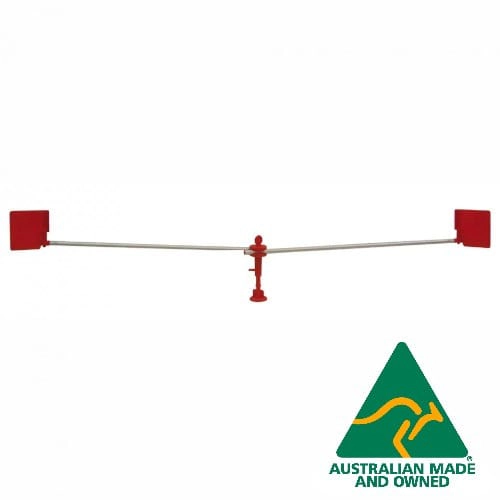
Wind-driven bird repeller with 2 metre rotating arms that keeps birds from roosting on hardtops, biminis, booms and decks. UV stabilised, with a bayonet base and a 12 month warranty.
Explore →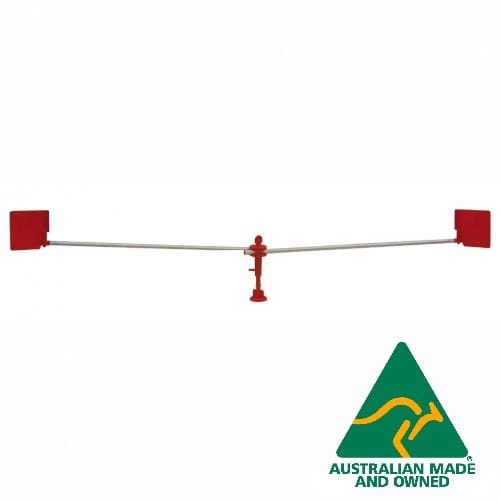
Wind-driven bird repeller with 1 metre rotating arms for smaller areas such as a boom, a solar panel or a small bimini. UV stabilised, with a bayonet base and a 12 month warranty.
Explore →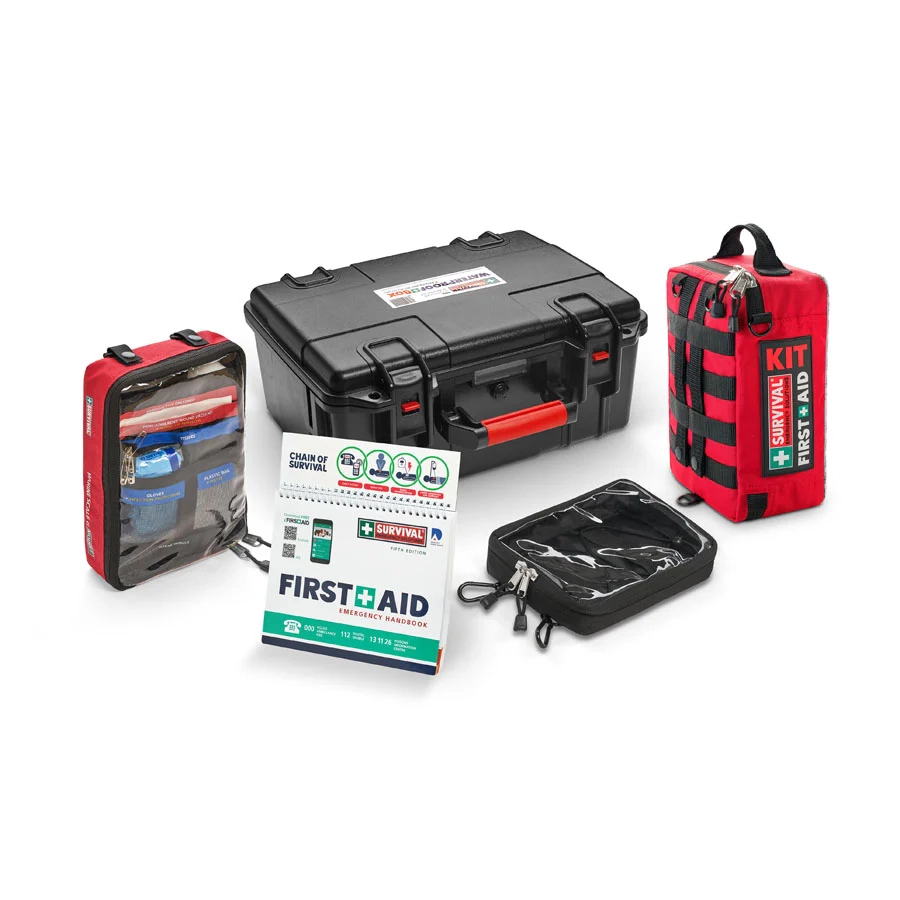
A 142-item marine first aid kit built around the Australian Scale G requirement, with a workplace kit, a Scale G module and a handbook packed in a large waterproof box.
Explore →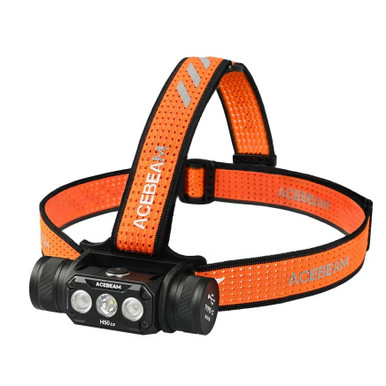
A 2000 lumen headlamp with spot and flood beams, rated IP68 and submersible to 2 metres, with a 141 metre beam and up to 30 hours on low.
Explore →