Loading this page…

Loading this page…
Marina service
About
Hope Island Marina is a secure, easy-going Gold Coast base with well-kept berths, waterside lifestyle amenities and excellent access to the region’s leading marine services.
Service area: Hope Island, Gold Coast, Queensland
Keep exploring
Hope Island Marina makes boating feel beautifully uncomplicated. Set within the Gold Coast’s northern waterways, it offers a relaxed residential-marina setting where owners and visiting crews can step ashore to cafés, restaurants, shops, wellness services and green walking paths.
Berths from 12 to 30 metres come with power and water, private bathroom and shower amenities, laundry facilities and an on-site pump-out station. Secure key-fob access and round-the-clock CCTV bring welcome peace of mind, while marina management assists with berth sales and letting.
Hope Island connects naturally to the Broadwater and Gold Coast waterways, inviting easy runs to waterfront dining, protected cruising and open-water adventures. It is a practical, secure base with the feel of a lifestyle destination.
Satellite imagery at four heights, from the wider harbour to the berths.
Recently received AIS vessel positions around Hope Island Marina. The traffic display loads automatically.
Live traffic will appear after Hope Island Marina has verified map coordinates.
Dangar Island sits in the lower Hawkesbury River close to Brooklyn and is one of Sydney’s small, boat‑access communities. From the water it reads as a wooded, low island with sandy foreshore, a public jetty and private moorings; its position at the mouth of Cowan Creek and close to the main river channel makes it an attractive short‑cruise destination for trailer sailors, runabouts and small cruisers but also one that requires careful local knowledge and respect for resident berths, ferry operations and tidal currents.

Plan passages across Spencer Gulf or to Kangaroo Island by basing fuel on your boat’s actual consumption plus a generous reserve, choosing sensible staging/stop options that match your boat and crew, and prioritising shelter and weather windows (gale fronts, strong winds and tidal streams can make the gulf uncomfortable or unsafe). Confirm fuel availability, safe anchorages or marinas on your route, and check up-to-date local weather, tide and navigation information before you go.
Explore →
Before you head offshore from WA have a reliable primary VHF with DSC, a charged and registered 406 MHz EPIRB, at least one waterproof mobile phone and a separate handheld VHF as a backup; write and practise a clear escalation procedure so everyone knows which device to use and when.
Explore →
Regular cleaning, targeted protection (grease, corrosion inhibitors, sacrificial anodes and insulating dissimilar metals), and a disciplined inspection and maintenance routine will keep rigging and fittings lasting longer in Tasmania’s cool, salty marine climate.
Explore →
Late spring to summer is usually the best time for beginners to start learning to sail in Tasmania because the weather is generally warmer, days are longer and conditions are often more settled. Expect lighter to moderate winds with regular afternoon sea breees in summer, while spring and autumn bring more changeable and sometimes stronger conditions; winter is colder, wetter and typically windier with more fronts and swell.
Explore →A practical guide to preparing, planning and executing a recreational offshore passage along the New South Wales coast. Covers route selection, weather and tidal considerations, vessel and crew checks, safety equipment, communication, watchkeeping and common mistakes, with clear pre‑departure and underway checklists.
Explore →Practical guide for recreational sailors planning passages, anchorages and visits to Ningaloo Reef and the Exmouth coast. Covers anchoring considerations, marine park rules and how local weather, tides and currents affect safety and enjoyment.
Explore →A practical guide for recreational sailors planning visits to Albany and King George Sound. Covers the main anchorage areas, typical local weather patterns, tidal and current considerations, navigational hazards, on-the-water etiquette and a pre-departure checklist to help you plan a safe passage and enjoyable stopover
Explore →A practical guide to the coastal weather systems that affect sailing along Western Australia's coast, focusing on the Fremantle Doctor, local sea breezes, and linked coastal phenomena. Explains how these systems form, when they tend to occur, how they influence boat handling and passage planning, common mistakes, and a
Explore →Burke Yachtsman Gear Bag 40L - Shop Now Zip Pay | Tamar Marine Skip to content 59 – 63 Holbrook Street, Invermay Online Shop Open 24/7 Products search Contact us 1300 MARINE $ 0.00 0 Cart Burke Yachtsman Gear Bag 40L $ 79.90 Colour Choose an option Black Blue Black Blue Clear - Burke Yachtsman Gear Bag 40L quantity + Add to cart Enquire about this product SKU BAGB-Y24/BLACK* Category Bags - Sail & Gear A Burke classic and customer favourite, the Yachtsman’s Gear Bag is built tough to handle wet, salty conditions while keeping your gear dry and protected. Made from double coated waterproof…
Explore →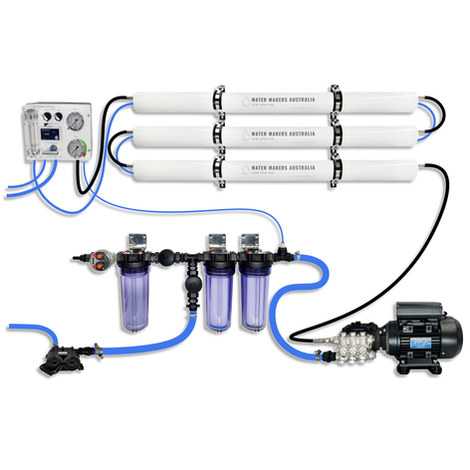
A three-membrane modular watermaker with 200 L/h nominal output and up to 240 L/h family-level marketing, for larger crews and heavy use.
Explore →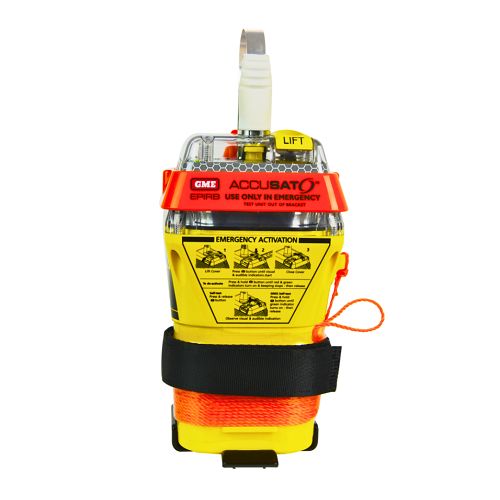
A 10‑year battery EPIRB with integrated GNSS (supports GPS and Galileo), infrared strobe and 121.5 MHz homing signal. Approved for worldwide COSPAS‑SARSAT operation.
Explore →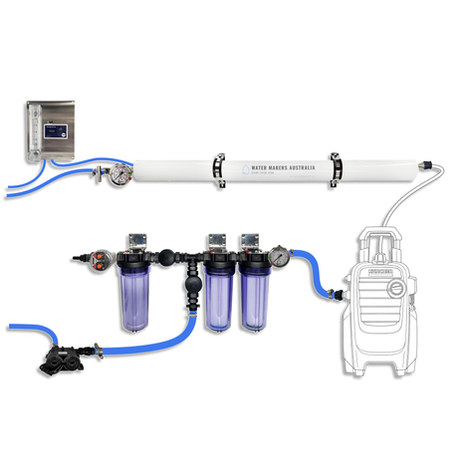
A one-membrane modular marine watermaker with 80 L/h nominal output, remote stainless control panel, standard consumables and direct Australian support.
Explore →