Loading this page…

Loading this page…
Marina service
About
Margate Marina at Barretta offers 140 floating berths from 10 m to 40 m, with power and water, a slipyard for boats up to 18 m / 23 tonnes, dry storage, and a fuel/pump-out pontoon. Diesel and 91 unleaded are self-service 24/7; pump-out operates during office hours seven days a week.
Service area: Barretta, TAS
Keep exploring
Margate Marina sits at North West Bay near the D'Entrecasteaux Channel. Its operator advertises 140 floating berths from 10 m to 40 m, with shore power and water. The slipyard handles vessels up to 18 m and 23 tonnes, with dry and trailer storage options. Its fuel pontoon dispenses diesel and 91 unleaded around the clock by self-service, while pump-out is available during office hours seven days a week—not 24 hours. Contact the marina for berth availability and haul-out bookings.
Floating berths have power and water. The operator advertises 10–40 m berth sizes and a slipyard to 18 m / 23 tonnes. The fuel pontoon supplies diesel and 91 unleaded self-service 24/7 with a physical credit card. Pump-out is open during office hours seven days a week; phone ahead on (03) 6267 9600 for pontoon approach and assistance. Dry and trailer-boat storage are also advertised.
The marina is at Barretta in North West Bay, near the D'Entrecasteaux Channel. Ask the office about berth and slip availability and call ahead before using the fuel/pump-out pontoon.
Satellite imagery at four heights, from the wider harbour to the berths.
Recently received AIS vessel positions around Margate Marina. The traffic display loads automatically.
Live traffic will appear after Margate Marina has verified map coordinates.
Batemans Bay and the Clyde River form a classic NSW South Coast cruising region where a sheltered, tidal estuary meets a short, island‑dotted entrance to the Tasman Sea. It’s distinctive for easy access from Canberra, a mix of river and bay sailing, a compact marina and mooring network, and a river entrance (the Clyde River bar) that can change rapidly. The area suits day sails, weekend cruising, trailer‑boat exploration and sheltered coastal passages; offshore or long‑passage plans require careful timing and local knowledge. Preparation for tidal flow, variable southerly swells and shallow, s

A regular, layered maintenance routine combining hull cleaning, targeted anti-fouling management, cathodic protection and systems checks will substantially reduce marine growth and corrosion for boats kept year‑round in South Australian waters. Focus on preventing attachment and electrochemical attack, then inspect and act more often if you’re in warm, nutrient-rich or high‑traffic sheltered waters.
Explore →
Do a seasonal inspection and servicing routine that focuses on hull and antifouling, through-hulls and seacocks, rigging and sails, engine and fuel systems, electricals and batteries, safety gear and bilge systems. Tailor exact tasks to your boat type, age and where you sail in South Australia, and follow manufacturer and marine service advice for anything technical.
Explore →
Follow the basic COLREGs: keep a proper lookout, maintain safe speed and steering to avoid collisions, know which vessel ‘gives way’ and which ‘stands on’, use correct lights and sound signals, and keep clear of restricted waters and traffic lanes. Check local harbour rules and AMSA guidance for specifics.
Explore →
Plan the trip by setting a clear route and timeline, checking tides and currents for your passage times, identifying safe anchorages/harbours as escape options, and building a conservative margin for delays and weather changes.
Explore →A practical guide for recreational sailors planning visits to Albany and King George Sound. Covers the main anchorage areas, typical local weather patterns, tidal and current considerations, navigational hazards, on-the-water etiquette and a pre-departure checklist to help you plan a safe passage and enjoyable stopover
Explore →A practical guide for recreational sailors planning passages to, from or around Eden and Twofold Bay. Covers sheltered anchorages, shore facilities, local weather and tidal considerations, preparing for Bass Strait conditions and a focused equipment and safety checklist.
Explore →A practical guide for recreational sailors planning voyages to Esperance and the Recherche Archipelago: what to expect, key planning considerations, common anchorages, safety and communications, equipment recommendations and sensible steps for a successful trip in this remote southern WA cruising area.
Explore →Practical guidance for recreational sailors planning to cross coastal bars in New South Wales. Explains how to assess conditions, plan a crossing, prepare equipment and crew, recognise hazards and manage emergencies, with checklists and realistic examples relevant to NSW waters.
Explore →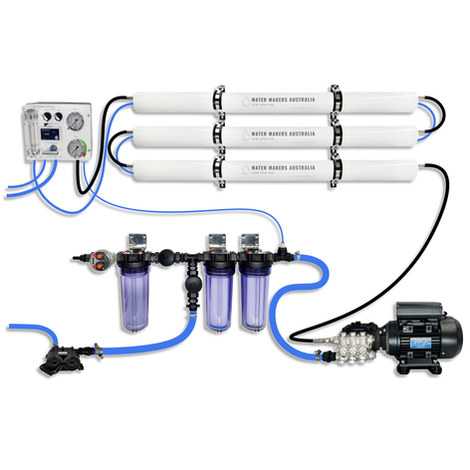
A three-membrane modular watermaker with 200 L/h nominal output and up to 240 L/h family-level marketing, for larger crews and heavy use.
Explore →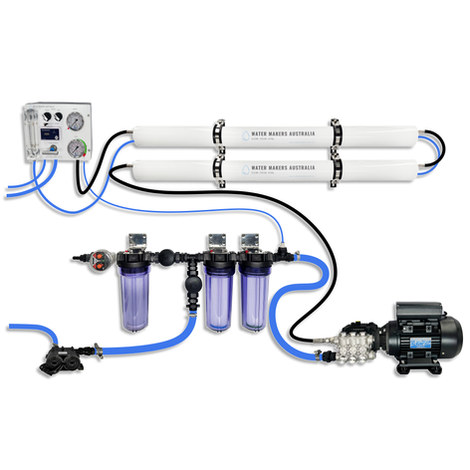
A two-membrane modular watermaker with 140 L/h nominal output, aimed at families and liveaboards that want more water per run.
Explore →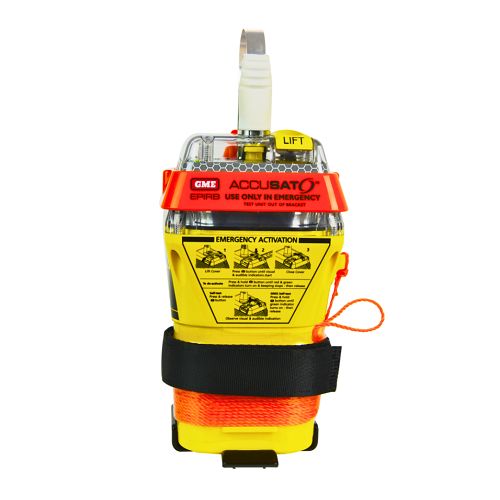
A 10‑year battery EPIRB with integrated GNSS (supports GPS and Galileo), infrared strobe and 121.5 MHz homing signal. Approved for worldwide COSPAS‑SARSAT operation.
Explore →
Self-contained, battery-powered plug‑and‑play autopilot designed for standard hydraulic steering systems.
Explore →