Loading this page…

Loading this page…
Sailing academy / training
About
Internationally recognised RYA sail training from Port Geographe, with practical monohull and catamaran pathways from first-time crew to capable coastal skipper.
Service area: Geographe Bay / South West WA
Oceanwest combines a dedicated Port Geographe base with the calm beauty of Geographe Bay. It is an inviting place to begin and a practical launch point for sailors progressing towards independent cruising.
As an RYA Training Centre, the school offers a structured ladder of internationally recognised learning on both monohulls and catamarans.
Keep exploring
A short, enjoyable introduction to steering, sail handling, ropework and onboard safety.
Practical training that develops the skills and awareness of a useful cruising-yacht crew member.
Chartwork, pilotage, weather and passage planning for aspiring skippers.
Boat handling and command skills for skippering short passages by day.
Advanced navigation and planning for experienced sailors heading farther offshore.
Higher-level passage making, pilotage and night sailing in more demanding conditions.
Choose the vessel style that best matches your experience and future charter plans.
Oceanwest suits sailors who want respected qualifications, plenty of hands-on time and a relaxed South West setting in which to build real confidence.
Practical cruising guide to the Five Islands region off the Illawarra coast, centred on the islands east of Port Kembla and the neighbouring waters from Wollongong to Shellharbour. The guide describes coastal geography, prevailing conditions, main sailing zones, anchorages, arrival considerations, shoreside facilities, hazards and regulatory controls, and offers several realistic sailing experiences for day sailors, weekend cruisers and coastal passagemakers.

Expect light to moderate, thermally-driven sea breezes in summer with afternoon strengthening; more changeable and often stronger winds with frontal systems in autumn and spring; and the windiest, roughest conditions in winter when cold fronts and sou’westers are most frequent. Gulf St Vincent is more sheltered than the exposed coast but can still produce steep chop and sudden changes near Adelaide and headlands.
Explore →
Progress gradually by increasing exposure, practising specific skills, sailing with more experienced crew/skippers, and deliberately training for each new step—start in calm sheltered bays, then move to longer trips, busier waters, stronger winds and finally open coastal passages when you and your crew are consistently competent and comfortable.
Explore →
Plan as a chain of conservative daily legs tied to your boat’s real-world fuel and speed in the expected sea state, with confirmed primary and alternate anchorages/berths, fuel legs and back-up fuel options, and a documented emergency/diversion plan (comms, tow and med-evac). Build tidal and weather gates into each leg and carry chart and comms redundancy.
Explore →
Taking pets between Australian states and into marinas or national parks is governed by state and territory biosecurity/quarantine rules, local council and marina policies, and the management rules of parks. Requirements vary by jurisdiction and by the species of animal, so check the relevant state/territory biosecurity office, the park management agency and the marina operator before you travel.
Explore →Practical guide for recreational sailors planning day sails and short cruises in Geographe Bay, focusing on launching, local conditions, anchorages and safety around Busselton, Dunsborough and Cape Naturaliste.
Explore →A practical guide to the coastal weather systems that affect sailing along Western Australia's coast, focusing on the Fremantle Doctor, local sea breezes, and linked coastal phenomena. Explains how these systems form, when they tend to occur, how they influence boat handling and passage planning, common mistakes, and a
Explore →A concise, practical guide for recreational sailors in New South Wales that explains southerly busters, sea breezes and east coast lows, how they form, how they affect coastal sailing, common signs to watch for, equipment and preparation, and clear next steps to plan safer outings.
Explore →
Practical guidance for recreational sailors in Australia on assessing swell, tide and wind, choosing the safest time to cross a coastal bar, preparing crew and gear, and making the decision to go or turn back.
Explore →Burke Yachtsman Gear Bag 40L - Shop Now Zip Pay | Tamar Marine Skip to content 59 – 63 Holbrook Street, Invermay Online Shop Open 24/7 Products search Contact us 1300 MARINE $ 0.00 0 Cart Burke Yachtsman Gear Bag 40L $ 79.90 Colour Choose an option Black Blue Black Blue Clear - Burke Yachtsman Gear Bag 40L quantity + Add to cart Enquire about this product SKU BAGB-Y24/BLACK* Category Bags - Sail & Gear A Burke classic and customer favourite, the Yachtsman’s Gear Bag is built tough to handle wet, salty conditions while keeping your gear dry and protected. Made from double coated waterproof…
Explore →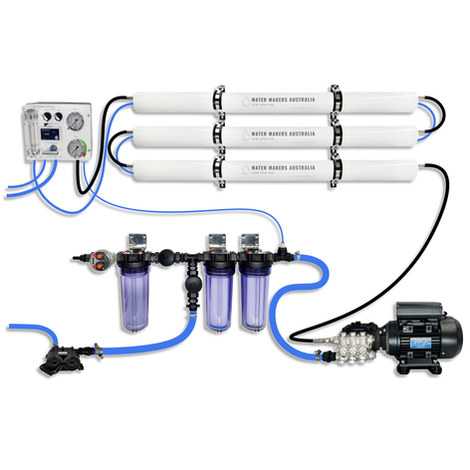
A three-membrane modular watermaker with 200 L/h nominal output and up to 240 L/h family-level marketing, for larger crews and heavy use.
Explore →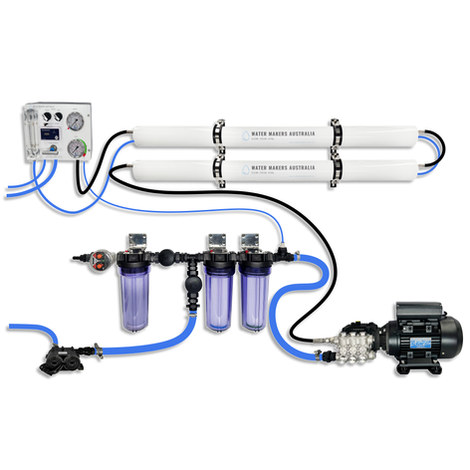
A two-membrane modular watermaker with 140 L/h nominal output, aimed at families and liveaboards that want more water per run.
Explore →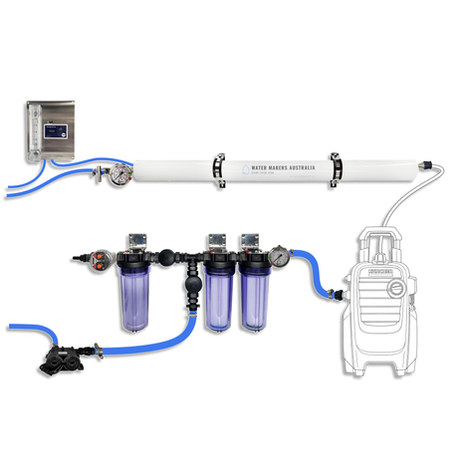
A one-membrane modular marine watermaker with 80 L/h nominal output, remote stainless control panel, standard consumables and direct Australian support.
Explore →