Loading this page…

Loading this page…
Marina service
About
Oyster Cove Marina at Kettering offers 300 floating berths for vessels from 8 m to 20 m, plus first-in visitor berthing. Its onsite boatyard has a 45-tonne travel lift for boats up to 20 m long and 6.1 m beam. Contact the office for current rates and boatyard bookings.
Service area: Kettering, TAS
Keep exploring
Oyster Cove Marina is in Little Oyster Cove at Kettering, beside the D'Entrecasteaux Channel. The operator advertises 300 floating berths from 8 m to 20 m with power and water. Visitor berths are first-in rather than reservable, so availability should be checked before arrival. Its boatyard offers a 45-tonne travel lift for vessels up to 20 m long and 6.1 m beam, plus hardstand and maintenance space. Do not rely on an old 2025 visitor rate card for current charges.
Permanent berths carry power and water. Visitor berthing is first-in with no advance bookings, according to the operator. The boatyard's 45-tonne travel lift handles vessels up to 20 m and 6.1 m beam; hardstand and owner maintenance are available by arrangement. The operator quotes 2.2 m low-water depth at the lift basin and up to 3.1 m vessel draft at high tide. Check current berthing rates and haul-out requirements with the office.
Follow the operator's visitor-berthing instructions and observe the 4-knot fairway limit. Kettering is a gateway to the D'Entrecasteaux Channel; confirm visitor space and draft suitability before entering.
Satellite imagery at four heights, from the wider harbour to the berths.
Mackay is a port city at the mouth of the Pioneer River in central Queensland. Its outer harbour and marina are a main stop on the coast, with the Cumberland Islands and southern Whitsundays to the north.

Taking pets between Australian states and into marinas or national parks is governed by state and territory biosecurity/quarantine rules, local council and marina policies, and the management rules of parks. Requirements vary by jurisdiction and by the species of animal, so check the relevant state/territory biosecurity office, the park management agency and the marina operator before you travel.
Explore →
Check condition, compatibility and provenance: inspect cloth, seams and stitching, UV and water damage, measurements and fit to your mast/boom and fittings, and the age and repair history of sails, spars and standing/ running rigging before buying online.
Explore →
Fit simple, practical modifications: secure non-slip surfaces and handholds, safe barriers and lifelines, a shaded rest area, proper ventilation, accessible fresh water and food storage, and appropriate flotation and ID for the pet. Tailor each item to your boat size, the pet’s size and temperament, and how you use the boat.
Explore →
Confirm the measurements that define how the sail or cover will fit your specific boat and rig, plus material, attachment details and any interaction with existing hardware (e.g. reefing points, battens, hatches). Measure on the boat and list serial or model details for spars and deck fittings if available.
Explore →A practical guide for recreational sailors planning voyages to Esperance and the Recherche Archipelago: what to expect, key planning considerations, common anchorages, safety and communications, equipment recommendations and sensible steps for a successful trip in this remote southern WA cruising area.
Explore →
A calm, practical guide to get you ready for your first day sail in Australia. Covers what to pack, simple boat checks, reading the weather, basic crew communication and when it's better to postpone.
Explore →Practical guide for recreational sailors planning a coastal cruise from Sydney north to the Queensland border. Covers route options, weather and tidal considerations, planning checklists, common hazards, anchorages and practical examples for a safe, enjoyable trip.
Explore →
Practical guidance for recreational sailors in Australia on assessing swell, tide and wind, choosing the safest time to cross a coastal bar, preparing crew and gear, and making the decision to go or turn back.
Explore →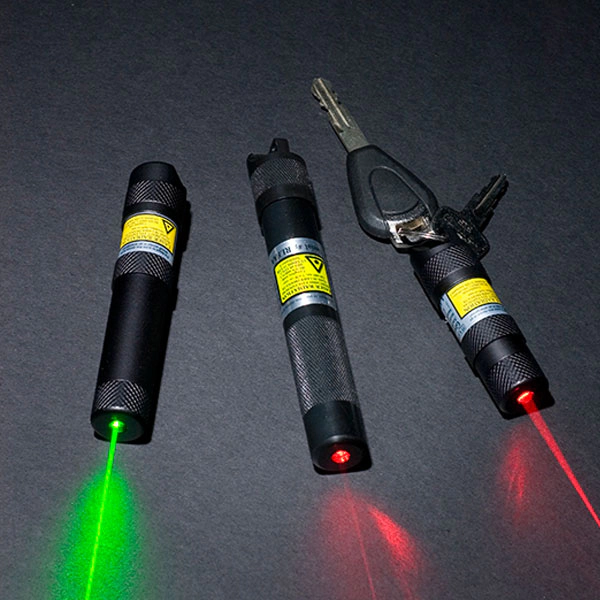
Hand-held, non-flammable laser signalling devices for day and night use, in red, green and Magnum versions, waterproof to 24 m and running for 5 to 72 hours on a battery.
Explore →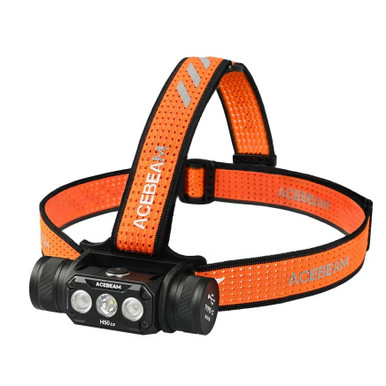
A 2000 lumen headlamp with spot and flood beams, rated IP68 and submersible to 2 metres, with a 141 metre beam and up to 30 hours on low.
Explore →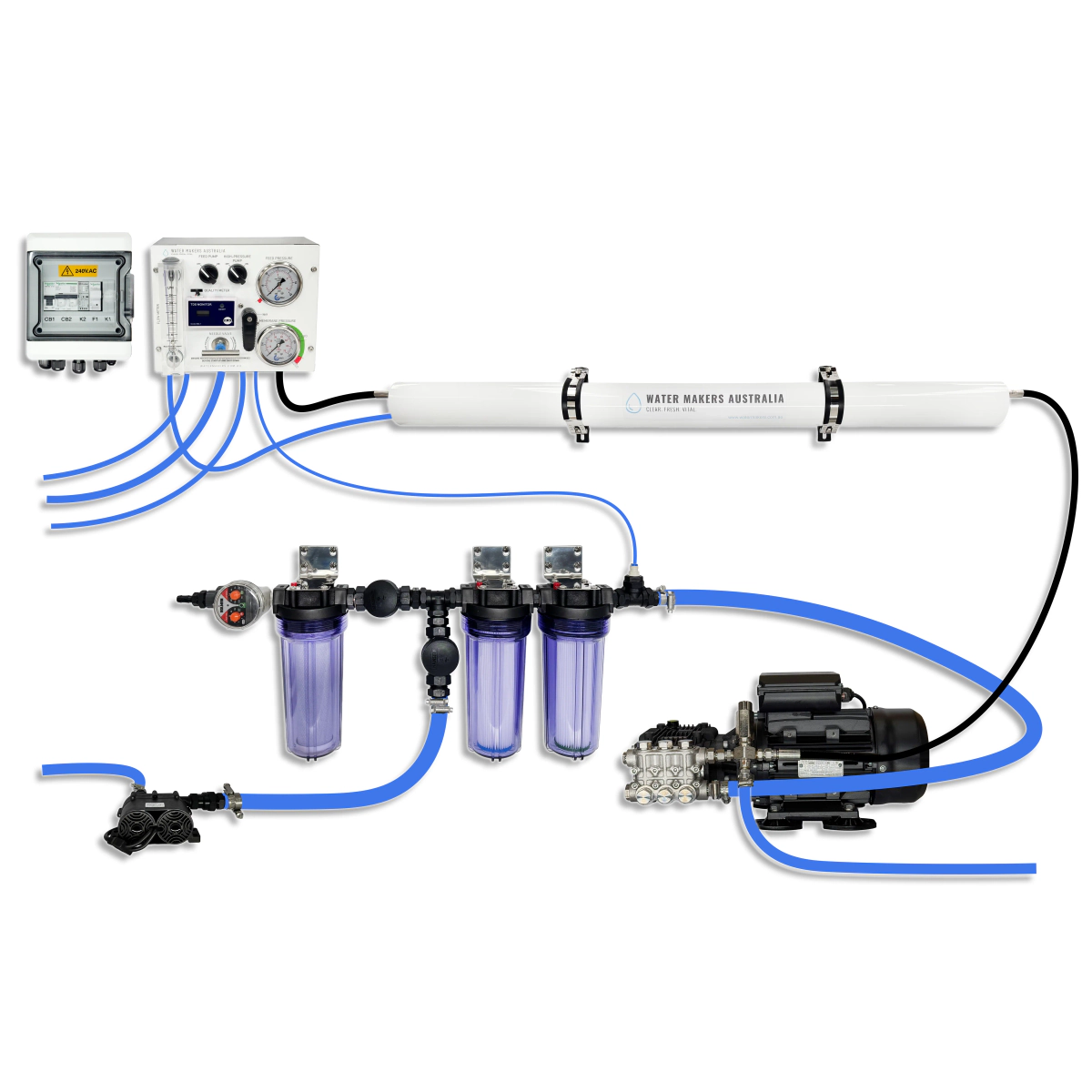
Single-membrane 240 V reverse-osmosis watermaker producing a nominal 80 L/h, built to order in Sydney for cruising boats of about 10 to 15 m with a generator or inverter.
Explore →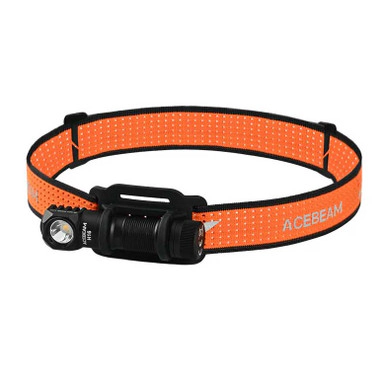
A lightweight headlamp that runs on one AA-size cell, giving up to 1000 lumens, a 105 metre beam and up to 58 hours of run time, rated IP68.
Explore →