Loading this page…

Loading this page…
Marina service
About
Prince of Wales Bay Marina operates 350 floating berths near Hobart, accommodating vessels up to 40 m. Berths have metered shore power; facilities include a self-service diesel/ULP fuel dock, complimentary pump-out, showers, laundry, security and two courtesy vehicles. Current enquiries: 0400 927 510.
Service area: Derwent Park, Hobart / River Derwent, TAS
Keep exploring
Prince of Wales Bay Marina operates 350 floating berths in Hobart's maritime precinct and advertises berthing for vessels up to 40 m. The operator lists individually metered power, a self-service fuel dock with diesel and unleaded petrol, complimentary pump-out, modern washrooms and laundry, card-controlled entry with video surveillance and security patrols, and two courtesy vehicles for marina guests. Onsite cafe facilities and nearby marine trades add shoreside support. Storage offered through an external partner should not be described as an onsite marina yard. Contact the current marina office rather than an old telephone number or Gmail address.
The operator advertises 350 floating berths, individually metered shore power, self-service diesel and ULP fuel, and a complimentary pump-out facility. Guests can use showers, toilets, laundry and two courtesy vehicles by office booking. Card entry, 24-hour video monitoring and patrols provide security. Ask the office for current berth, fuel and vehicle arrangements; historic fuel-price figures are not retained.
Prince of Wales Bay is a working marine precinct near Hobart. Contact the marina office about berth size, availability and access; adjacent or partner-operated haul-out/storage services are separate businesses.
Satellite imagery at four heights, from the wider harbour to the berths.
Recently received AIS vessel positions around Prince of Wales Bay Marina. The traffic display loads automatically.
Live traffic will appear after Prince of Wales Bay Marina has verified map coordinates.
Introductory paragraphs describing the sailing character of St Helens, Tasmania, emphasising Georges Bay shelter, proximity to Bay of Fires, marina and moorings, local conditions and suitability for day and cruising sailors.

Plan as a chain of conservative daily legs tied to your boat’s real-world fuel and speed in the expected sea state, with confirmed primary and alternate anchorages/berths, fuel legs and back-up fuel options, and a documented emergency/diversion plan (comms, tow and med-evac). Build tidal and weather gates into each leg and carry chart and comms redundancy.
Explore →
Plan passages across Spencer Gulf or to Kangaroo Island by basing fuel on your boat’s actual consumption plus a generous reserve, choosing sensible staging/stop options that match your boat and crew, and prioritising shelter and weather windows (gale fronts, strong winds and tidal streams can make the gulf uncomfortable or unsafe). Confirm fuel availability, safe anchorages or marinas on your route, and check up-to-date local weather, tide and navigation information before you go.
Explore →
Do a seasonal inspection and servicing routine that focuses on hull and antifouling, through-hulls and seacocks, rigging and sails, engine and fuel systems, electricals and batteries, safety gear and bilge systems. Tailor exact tasks to your boat type, age and where you sail in South Australia, and follow manufacturer and marine service advice for anything technical.
Explore →
Train your pet with short, reward‑based sessions that build confidence in the boat’s motions (boarding, heel, anchor swing and docking) — start in calm conditions, use consistent cues, plenty of positive reinforcement, and practise each manoeuvre separately before combining them.
Explore →A practical guide for recreational sailors planning passages to, from or around Eden and Twofold Bay. Covers sheltered anchorages, shore facilities, local weather and tidal considerations, preparing for Bass Strait conditions and a focused equipment and safety checklist.
Explore →A concise, practical introduction to the essential parts of a recreational sailing boat for beginners in Australia. Covers hull, deck, rigging, sails, steering, below-decks spaces and safety equipment, with simple explanations, common mistakes and a pre-decast checklist to help new sailors communicate and get underway.
Explore →
A concise, practical guide to the points of sail and how to trim sails effectively for common Australian conditions. Learn the basics of wind angles, sail shape, telltales, reefing considerations and simple steps to improve boat speed and balance.
Explore →
A practical step‑by‑step guide to planning a safe, realistic coastal sailing passage in Australian waters: choosing a route, estimating distance and time, checking weather and tides, fuel and daylight planning, identifying safe harbours and anchorages, and preparing backup plans.
Explore →
Self-contained, battery-powered plug‑and‑play autopilot designed for standard hydraulic steering systems.
Explore →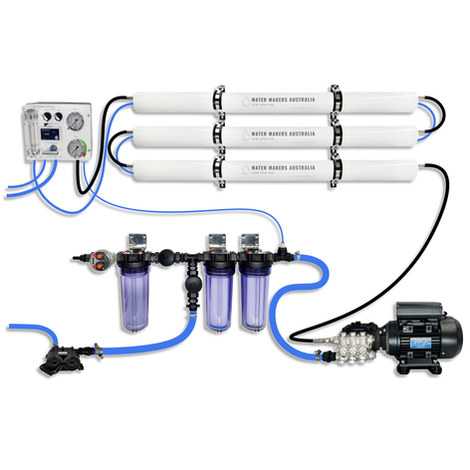
A three-membrane modular watermaker with 200 L/h nominal output and up to 240 L/h family-level marketing, for larger crews and heavy use.
Explore →Burke Yachtsman Gear Bag 40L - Shop Now Zip Pay | Tamar Marine Skip to content 59 – 63 Holbrook Street, Invermay Online Shop Open 24/7 Products search Contact us 1300 MARINE $ 0.00 0 Cart Burke Yachtsman Gear Bag 40L $ 79.90 Colour Choose an option Black Blue Black Blue Clear - Burke Yachtsman Gear Bag 40L quantity + Add to cart Enquire about this product SKU BAGB-Y24/BLACK* Category Bags - Sail & Gear A Burke classic and customer favourite, the Yachtsman’s Gear Bag is built tough to handle wet, salty conditions while keeping your gear dry and protected. Made from double coated waterproof…
Explore →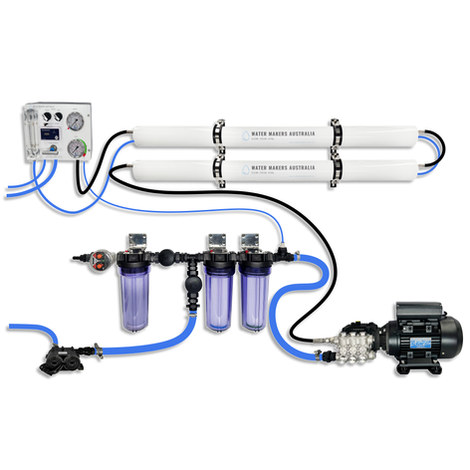
A two-membrane modular watermaker with 140 L/h nominal output, aimed at families and liveaboards that want more water per run.
Explore →