Loading this page…

Loading this page…
About
Savages Wharf is a full-service floating marina and working boatyard in Williamstown. Current operator material verifies serviced Bellingham berths for vessels up to 30 m, power and water at every berth, short-term berthing by arrangement, 24/7 berth-holder access and a 40T travel lift with onsite technical support businesses.
Service area: Williamstown, Hobsons Bay, Melbourne, VIC
Keep exploring
Savages Wharf is a Williamstown marina and working boatyard at the northern end of Port Phillip Bay. The operator describes a full-service floating marina using a modern Bellingham system, with power, water and tie-off bollards at every berth and capacity for vessels up to 30 m. The same operator material highlights short-term berthing by arrangement, secure 24/7 berth-holder access, a large 40T travel lift and a range of technical support businesses onsite. This is one of the stronger Victoria listings and should emphasise the combination of serviced berthing and working-yard capability.
Verified services include floating marina berths, power, water, tie-off bollards, short-term berthing by arrangement, 24/7 berth-holder access, 40T travel lift and onsite technical support businesses. Confirm berth and travel-lift availability with the operator before arrival.
Savages Wharf sits in Williamstown's historic marine precinct with good road and water access. It is a working marina/yard, so follow site access and contractor rules.
Bermagui is a compact south‑coast fishing port and coastal village on New South Wales’ Sapphire Coast. It’s best known to sailors for its working harbour, access to productive offshore grounds and a reachable string of sheltered bays and beaches. The sailing here mixes short coastal passages, inshore cruising and sheltered daysails rather than long ocean passages; it suits trailer‑able keelboats, motor cruisers and small offshore yachts. Expect a destination where commercial fishing activity and changing swell patterns shape anchorages and arrival choices — preparation and local knowledge pay.

Plan the trip by setting a clear route and timeline, checking tides and currents for your passage times, identifying safe anchorages/harbours as escape options, and building a conservative margin for delays and weather changes.
Explore →
Check a reliable marine forecast (wind, swell, rainfall, visibility), compare it with your boat, crew skill and local hazards, and postpone if conditions exceed your or your boat’s comfortable limits.
Explore →
Follow the basic COLREGs: keep a proper lookout, maintain safe speed and steering to avoid collisions, know which vessel ‘gives way’ and which ‘stands on’, use correct lights and sound signals, and keep clear of restricted waters and traffic lanes. Check local harbour rules and AMSA guidance for specifics.
Explore →
Reef as soon as the boat becomes hard to steer, uncomfortable, or when sails start flogging — reduce the mainsail first (to keep balance), then reduce headsail area; practise the reefing sequence and check sail trim and helm balance afterwards.
Explore →A practical guide for recreational sailors planning voyages to Esperance and the Recherche Archipelago: what to expect, key planning considerations, common anchorages, safety and communications, equipment recommendations and sensible steps for a successful trip in this remote southern WA cruising area.
Explore →A practical guide for recreational sailors on using VHF marine radios safely and effectively in Australian waters: basic operation, channel use, emergency procedures, DSC basics, common mistakes and a ready checklist for pre-departure and on-water use.
Explore →
A practical step‑by‑step guide to planning a safe, realistic coastal sailing passage in Australian waters: choosing a route, estimating distance and time, checking weather and tides, fuel and daylight planning, identifying safe harbours and anchorages, and preparing backup plans.
Explore →A concise, practical introduction to the essential parts of a recreational sailing boat for beginners in Australia. Covers hull, deck, rigging, sails, steering, below-decks spaces and safety equipment, with simple explanations, common mistakes and a pre-sail checklist to help new sailors communicate and get underway.
Explore →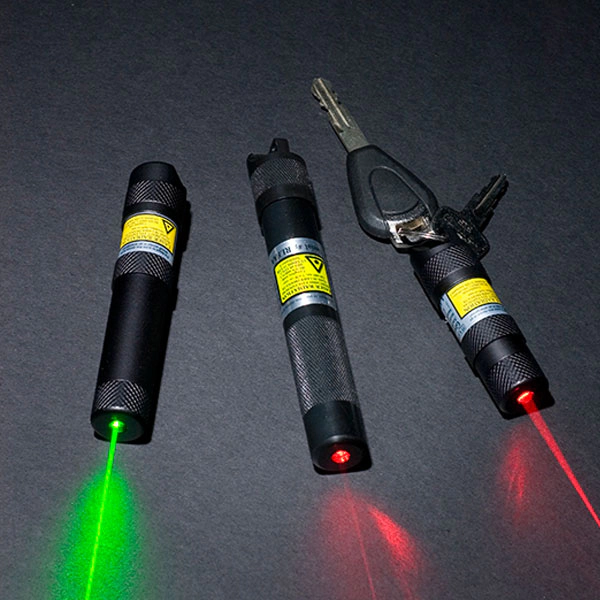
Hand-held, non-flammable laser signalling devices for day and night use, in red, green and Magnum versions, waterproof to 24 m and running for 5 to 72 hours on a battery.
Explore →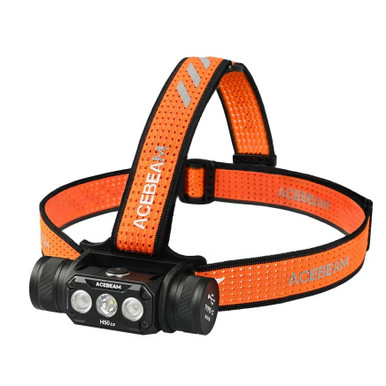
A 2000 lumen headlamp with spot and flood beams, rated IP68 and submersible to 2 metres, with a 141 metre beam and up to 30 hours on low.
Explore →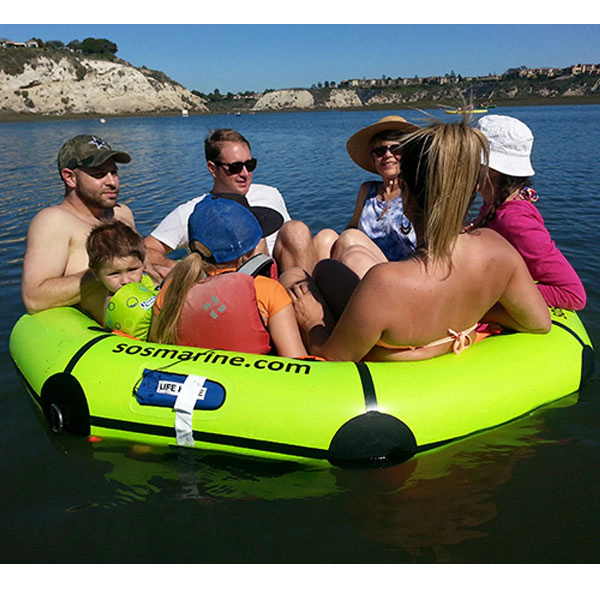
Compact four-person life raft in a valise for inshore and coastal use. It weighs 8.6 kg, packs to 520 x 340 x 170 mm and is serviced every two years.
Explore →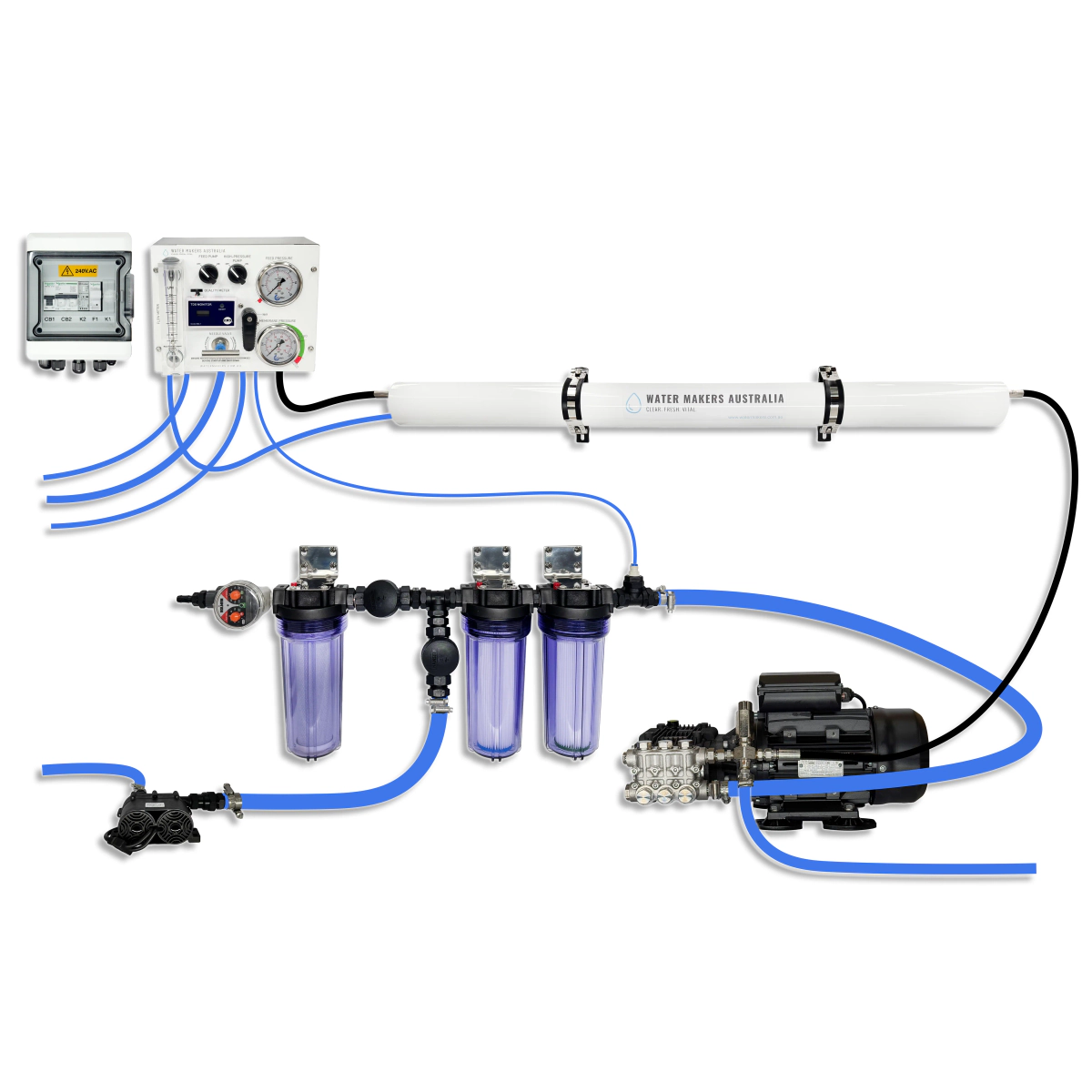
Single-membrane 240 V reverse-osmosis watermaker producing a nominal 80 L/h, built to order in Sydney for cruising boats of about 10 to 15 m with a generator or inverter.
Explore →