Loading this page…

Loading this page…
About
RYA and American Sailing training from Mooloolaba across keelboats, monohulls and catamarans, with Queensland cruising grounds providing the perfect practical classroom.
Service area: Sunshine Coast (Mooloolaba); Moreton Bay / Brisbane; Whitsundays (selected courses)
Sunshine Sailing Australia offers something unusually useful: a choice of both RYA and American Sailing pathways. Students can match the qualification to their charter plans while training in some of Queensland's finest waters.
Programs range from a first day on a keelboat to liveaboard monohull and catamaran skills across the Sunshine Coast, Moreton Bay and the Whitsundays.
Keep exploring
A relaxed first experience for newcomers who want to get involved and feel the boat.
Build steering, sail trim, tacking, gybing and teamwork on a responsive small keelboat.
Practical cruising skills for becoming a safe and useful crew member.
Theory and practical command training for short passages in familiar waters.
Advanced navigation and passage-making for experienced sailors extending their range.
Progress from basic keelboat handling into coastal cruising knowledge and skills.
Bareboat-cruising preparation for sailors ready to take responsibility for a charter yacht.
Cruising-catamaran systems and handling for multihull charter confidence.
Focused tuition for couples, owners and charter crews who want training matched to their plans.
For sailors with a specific cruising dream, Sunshine Sailing can shape a practical route to the right boat, qualification and destination.

Taking pets between Australian states and into marinas or national parks is governed by state and territory biosecurity/quarantine rules, local council and marina policies, and the management rules of parks. Requirements vary by jurisdiction and by the species of animal, so check the relevant state/territory biosecurity office, the park management agency and the marina operator before you travel.
Explore →
Progress gradually by increasing exposure, practising specific skills, sailing with more experienced crew/skippers, and deliberately training for each new step—start in calm sheltered bays, then move to longer trips, busier waters, stronger winds and finally open coastal passages when you and your crew are consistently competent and comfortable.
Explore →
Plan the trip by setting a clear route and timeline, checking tides and currents for your passage times, identifying safe anchorages/harbours as escape options, and building a conservative margin for delays and weather changes.
Explore →
Reef as soon as the boat becomes hard to steer, uncomfortable, or when sails start flogging — reduce the mainsail first (to keep balance), then reduce headsail area; practise the reefing sequence and check sail trim and helm balance afterwards.
Explore →A practical guide to the coastal weather systems that affect sailing along Western Australia's coast, focusing on the Fremantle Doctor, local sea breezes, and linked coastal phenomena. Explains how these systems form, when they tend to occur, how they influence boat handling and passage planning, common mistakes, and a
Explore →
A practical, Australia-focused guide for planning and sailing around the Whitsunday Islands: weather and seasons, navigation and anchoring, moorings and parks, provisioning and charters, safety and common mistakes, plus checklists and next steps.
Explore →
Practical guidance for recreational sailors planning day trips or short cruises in Moreton Bay — local weather patterns, tides, safe anchorages, common hazards, equipment checklists and sensible trip planning for islands such as Moreton, North Stradbroke and the smaller bayside islands.
Explore →A practical guide for recreational sailors planning day sails or short cruises around Batemans Bay, Broulee and the Clyde River. Covers local conditions, safe approaches, anchorages, launching, tides, common hazards, and checklists for trip planning and on-water decisions.
Explore →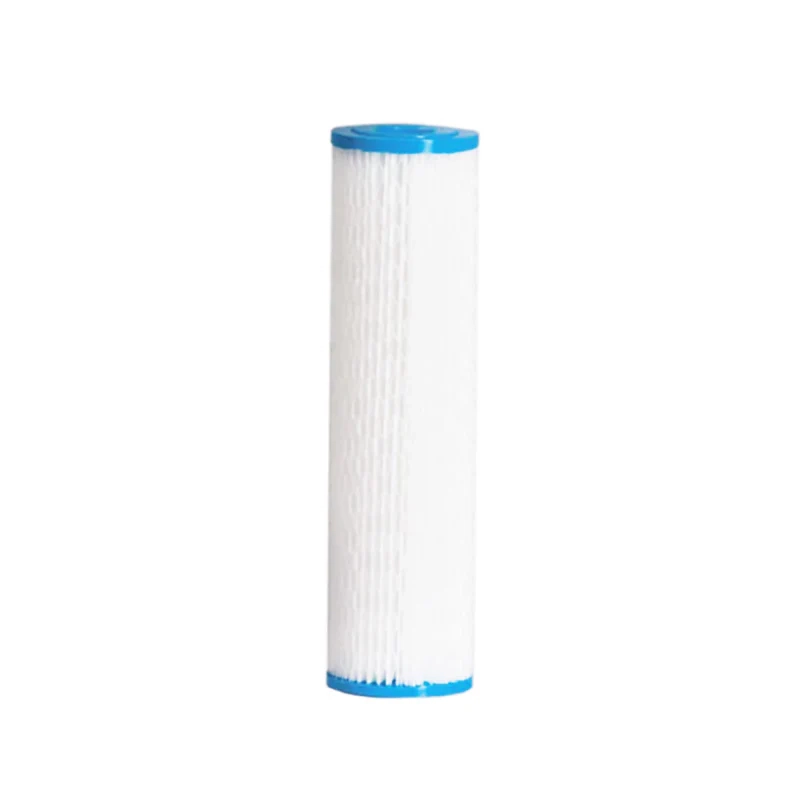
Standard 10 x 2.5 inch pleated poly cartridge rated at 5 micron. It is the second-stage pre-filter that removes fine sediment before the high-pressure pump, and it can be rinsed and reused.
Explore →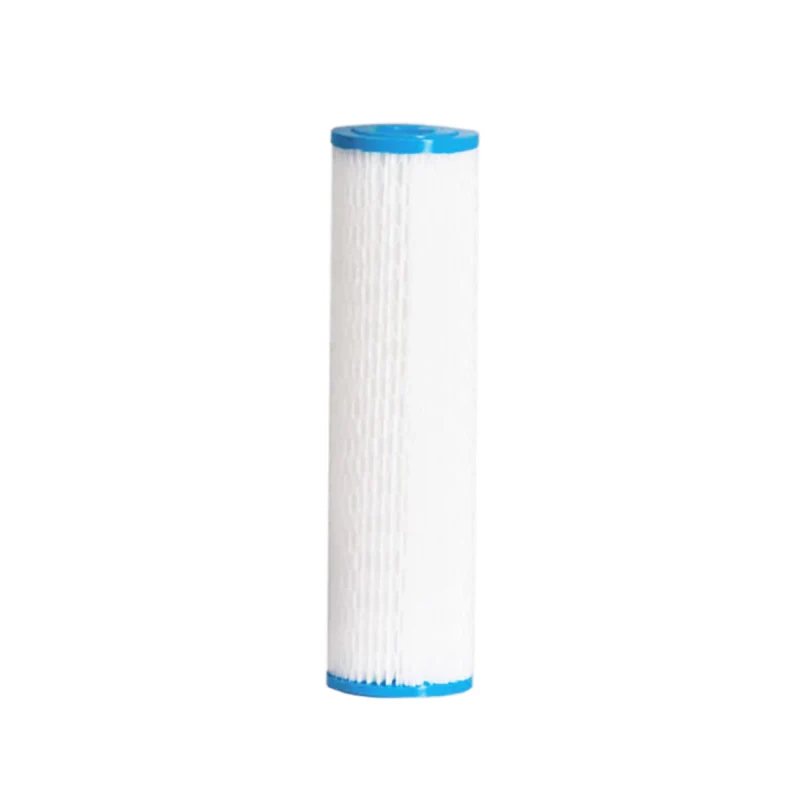
Standard 10 x 2.5 inch pleated poly cartridge rated at 20 micron. It is the first-stage pre-filter that removes larger sediment before the high-pressure pump, and it can be rinsed and reused.
Explore →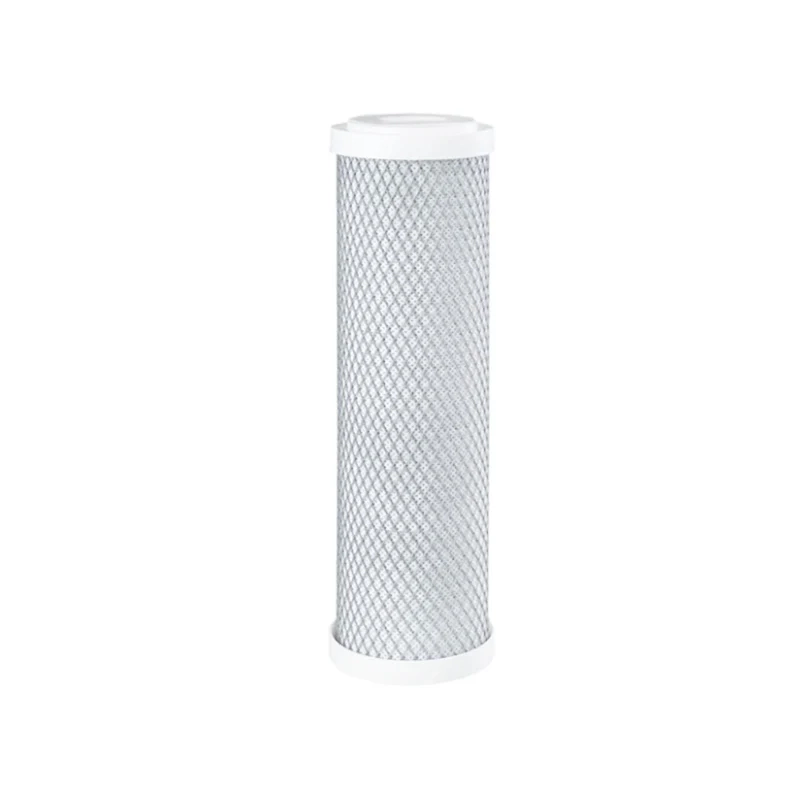
Standard 10 x 2.5 inch activated coconut carbon block cartridge, 5 micron nominal. It sits in the freshwater flush line and helps remove chlorine before the flush water reaches the membrane.
Explore →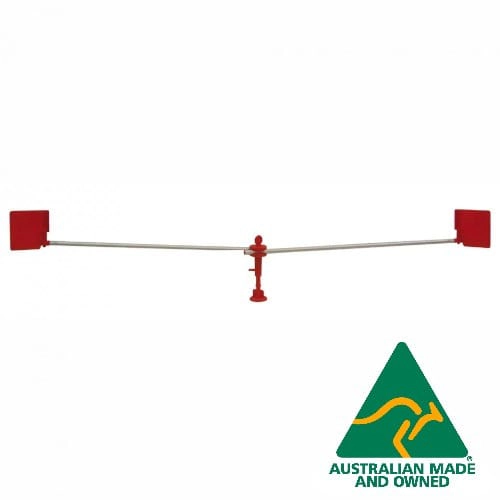
Wind-driven bird repeller with 2 metre rotating arms that keeps birds from roosting on hardtops, biminis, booms and decks. UV stabilised, with a bayonet base and a 12 month warranty.
Explore →