Loading this page…
Australian sailing — learn, improve, connectviewsManage a listingJoin YouSail

Loading this page…
Sailing academy / training
About
A complete RYA centre in Brisbane offering practical sail, power and theory courses on Moreton Bay and in the Whitsundays, from first crew to Yachtmaster.
Service area: Moreton Bay (Wynnum-Manly, Brisbane) year-round; Whitsundays (seasonal); east coast mile-building passages
Southern Cross Yachting has one of Queensland's most complete RYA pathways. From East Coast Marina in Manly, students build practical skills on Moreton Bay, with selected programs extending into the Whitsundays.
Sailing, powerboat and shorebased theory sit together, making it easy to create a coherent journey from first-time crew to confident coastal skipper or Yachtmaster candidate.
Keep exploring
A short introduction to steering, sails, ropework and life aboard a cruising yacht.
Hands-on training to become an active, safe and knowledgeable member of the crew.
Navigation and command skills for taking charge of short passages in familiar waters.
Advanced practical and theory learning for longer passages, stronger conditions and night pilotage.
Intensive coaching for experienced candidates approaching an independent examination.
Practical handling, close-quarters manoeuvring and safety for powered craft.
Correct VHF procedure and emergency communication for recreational and professional users.
Navigation, safety and supporting knowledge that rounds out a capable skipper.
Southern Cross works beautifully for Queensland sailors who want one trusted school to support the whole journey, not just a single certificate.
Batemans Bay and the Clyde River form a classic NSW South Coast cruising region where a sheltered, tidal estuary meets a short, island‑dotted entrance to the Tasman Sea. It’s distinctive for easy access from Canberra, a mix of river and bay sailing, a compact marina and mooring network, and a river entrance (the Clyde River bar) that can change rapidly. The area suits day sails, weekend cruising, trailer‑boat exploration and sheltered coastal passages; offshore or long‑passage plans require careful timing and local knowledge. Preparation for tidal flow, variable southerly swells and shallow, s

Late spring to summer is usually the best time for beginners to start learning to sail in Tasmania because the weather is generally warmer, days are longer and conditions are often more settled. Expect lighter to moderate winds with regular afternoon sea breees in summer, while spring and autumn bring more changeable and sometimes stronger conditions; winter is colder, wetter and typically windier with more fronts and swell.
Explore →
Expect light to moderate, thermally-driven sea breezes in summer with afternoon strengthening; more changeable and often stronger winds with frontal systems in autumn and spring; and the windiest, roughest conditions in winter when cold fronts and sou’westers are most frequent. Gulf St Vincent is more sheltered than the exposed coast but can still produce steep chop and sudden changes near Adelaide and headlands.
Explore →
Pick a protected bay, estuary or river reach where you can rig, launch and arrive on calm water within a short, sheltered transit; choose a site with a good ramp or jetty, clear recovery options and a nearby sailing club, marina or commercial operator for local knowledge and help.
Explore →
Legal safety equipment for recreational boats in South Australia depends on the type, size and where you operate; you must check the current SA government requirements for your vessel. Independently of legal minimums, carry a sensible set of recommended items (lifejackets, means of communication, signaling, fire protection, anchor and basic tools) and make them usable and maintained.
Explore →
A practical guide for new sailors on picking the right Australian sailing club: training, boat access, racing, social fit, costs and the key questions to ask before joining.
Explore →A practical guide to preparing, planning and executing a recreational offshore passage along the New South Wales coast. Covers route selection, weather and tidal considerations, vessel and crew checks, safety equipment, communication, watchkeeping and common mistakes, with clear pre‑departure and underway checklists.
Explore →A practical guide for recreational sailors planning visits to Albany and King George Sound. Covers the main anchorage areas, typical local weather patterns, tidal and current considerations, navigational hazards, on-the-water etiquette and a pre-departure checklist to help you plan a safe passage and enjoyable stopover
Explore →A practical guide to the coastal weather systems that affect sailing along Western Australia's coast, focusing on the Fremantle Doctor, local sea breezes, and linked coastal phenomena. Explains how these systems form, when they tend to occur, how they influence boat handling and passage planning, common mistakes, and a
Explore →Burke Yachtsman Gear Bag 40L - Shop Now Zip Pay | Tamar Marine Skip to content 59 – 63 Holbrook Street, Invermay Online Shop Open 24/7 Products search Contact us 1300 MARINE $ 0.00 0 Cart Burke Yachtsman Gear Bag 40L $ 79.90 Colour Choose an option Black Blue Black Blue Clear - Burke Yachtsman Gear Bag 40L quantity + Add to cart Enquire about this product SKU BAGB-Y24/BLACK* Category Bags - Sail & Gear A Burke classic and customer favourite, the Yachtsman’s Gear Bag is built tough to handle wet, salty conditions while keeping your gear dry and protected. Made from double coated waterproof…
Explore →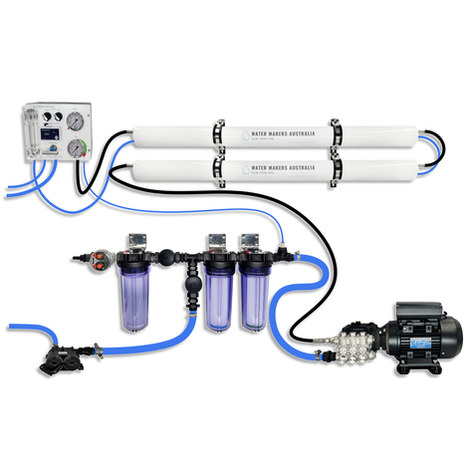
A two-membrane modular watermaker with 140 L/h nominal output, aimed at families and liveaboards that want more water per run.
Explore →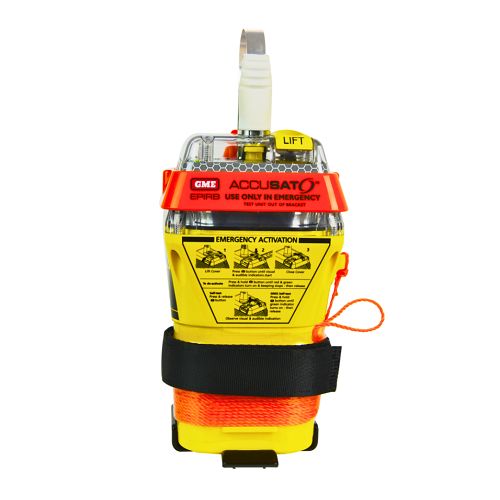
A 10‑year battery EPIRB with integrated GNSS (supports GPS and Galileo), infrared strobe and 121.5 MHz homing signal. Approved for worldwide COSPAS‑SARSAT operation.
Explore →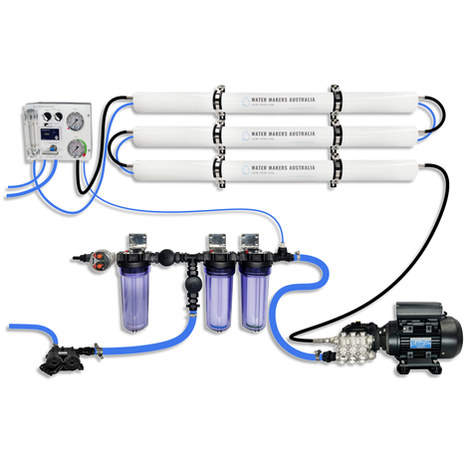
A three-membrane modular watermaker with 200 L/h nominal output and up to 240 L/h family-level marketing, for larger crews and heavy use.
Explore →