Loading this page…

Loading this page…
Marina service
About
Weinam Creek Marina / Marina Redland Bay is part of the Redland Bay ferry and foreshore redevelopment, combining ferry terminal, parking, public realm and future marina/berthing context.
Service area: Redland Bay, QLD
Keep exploring
It should be presented as staged infrastructure serving Southern Moreton Bay Islands ferry users, with future marina/berthing details to confirm as the project progresses.
Services at Weinam Creek reflect its public, council-run nature rather than a commercial marina model. The existing facility provides short and long-term marina berths alongside the ferry infrastructure, plus boat launching that was comprehensively upgraded in 2024 when a new three-lane recreational ramp with a floating boarding pontoon opened at the southern end of the creek.
The new ramp carries forty 72-hour trailer parking bays and rock seawall protection on its shoulders, with a further 45 trailer parks planned for the Moores Road precinct once the multi-level car park is built; the old ramp off Banana Street is now reserved exclusively for emergency service vessels to sharpen response times to the islands. Ferry terminal services include TransLink go card ticketing and a vending machine, sheltered waiting areas and accessible facilities, and the vehicle ferry booking office operates from Weinam Street.
There is no commercial fuel wharf, travel lift, chandlery or boatyard on site; boat owners needing mechanical work, slips or supplies typically look to Redland Bay's nearby marine businesses or the larger boat harbours at Scarborough and Manly. Parking is the precinct's other practical service: more than 500 spaces at Moores Road, 122 temporary parks on Hamilton Street regulated to 72 hours, and time-limited commuter parking close to the terminal.
The PDA program will layer in a multi-storey car park, supermarket, retail and dining tenancies and expanded marina capacity for private boats and ferries, with council projecting more than 700 jobs and close to $30 million in local economic benefit once the staged works complete around 2028.
Approaching Weinam Creek is straightforward in reasonable weather but demands attention to tide and traffic. Southern Moreton Bay is shallow and laced with banks, and the marked channel into the creek carries ferries on tight schedules, so skippers should keep clear of the terminal approaches and expect wash and right-of-way constraints around arriving SeaLink vessels. The bay here is protected by North Stradbroke Island, making it a calm reach in the prevailing south-easterlies, though northerlies can push a chop across the long fetch from Redcliffe.
Once secured, the foreshore at Redland Bay offers the slipways coffee stop that has greeted island commuters for generations, and the Redlands Sea Dragons dragon boat club trains from its clubhouse near the new ramp. The islands themselves are the cruising reward: Russell, Macleay, Lamb and Karragarra are stitched together by free inter-island ferry hops, and the surrounding waters of the Southern Moreton Bay Islands National Park hold dugong, dolphins and excellent winter whiting and bream.
Canaipa, the point on Russell Island's north-east, takes its name from an Aboriginal word for the crossing place toward Stradbroke Island, a reminder that these waterways were Quandamooka sea roads long before the ferry timetable. Land transport connections are practical: Brisbane CBD is about 60 minutes by road, and TransLink buses link the terminal to Cleveland railway station at the end of the Cleveland line.
Visiting cruisers using the berths should note the precinct is an active construction zone through to the late 2020s, with parking and access arrangements shifting between stages, so checking council's project page before arrival is worth the two minutes it takes.
Satellite imagery at four heights, from the wider harbour to the berths.

Plan the trip by setting a clear route and timeline, checking tides and currents for your passage times, identifying safe anchorages/harbours as escape options, and building a conservative margin for delays and weather changes.
Explore →
Choose a life jacket sized for your pet’s weight and body shape, with a snug but comfortable fit, grab-handle and secure straps; try it on and, if possible, test in shallow water before heading offshore.
Explore →
Use a sensible scope (line length), pick good ground, set the anchor with a controlled reverse to load it, and check you’re not dragging by noting fixed references and using a stern line or anchor alarm if needed.
Explore →
Follow the basic COLREGs: keep a proper lookout, maintain safe speed and steering to avoid collisions, know which vessel ‘gives way’ and which ‘stands on’, use correct lights and sound signals, and keep clear of restricted waters and traffic lanes. Check local harbour rules and AMSA guidance for specifics.
Explore →
A concise, practical guide to the points of sail and how to trim sails effectively for common Australian conditions. Learn the basics of wind angles, sail shape, telltales, reefing considerations and simple steps to improve boat speed and balance.
Explore →
A practical checklist and explanation of the safety equipment recreational sailors should carry in Australian waters, with how to choose gear, use it correctly, and common mistakes to avoid.
Explore →A practical guide for recreational sailors planning day sails or short cruises around Batemans Bay, Broulee and the Clyde River. Covers local conditions, safe approaches, anchorages, launching, tides, common hazards, and checklists for trip planning and on-water decisions.
Explore →A practical, Australian-focused guide explaining how sails generate drive, the points of sail, and how to trim sails for different conditions. Includes simple explanations of aerodynamic concepts, step-by-step trim checks, common mistakes and clear next steps for practice on the water.
Explore →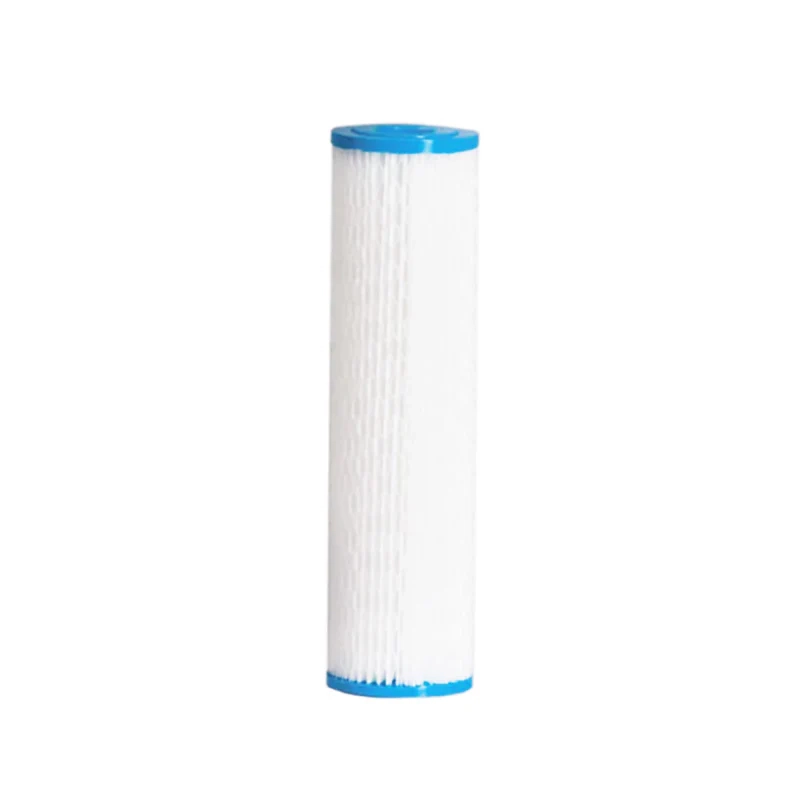
Standard 10 x 2.5 inch pleated poly cartridge rated at 5 micron. It is the second-stage pre-filter that removes fine sediment before the high-pressure pump, and it can be rinsed and reused.
Explore →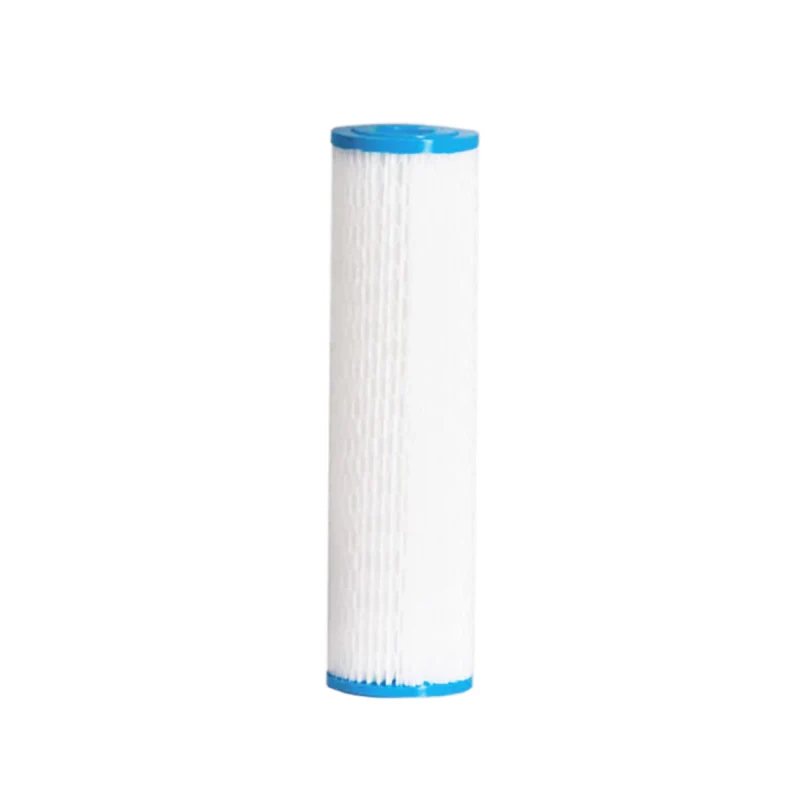
Standard 10 x 2.5 inch pleated poly cartridge rated at 20 micron. It is the first-stage pre-filter that removes larger sediment before the high-pressure pump, and it can be rinsed and reused.
Explore →
The entry-level Poclink push-to-talk radio: 4G mobile network only, three years of service included, sold as a two-pack for half the price of the Pro and Ultra.
Explore →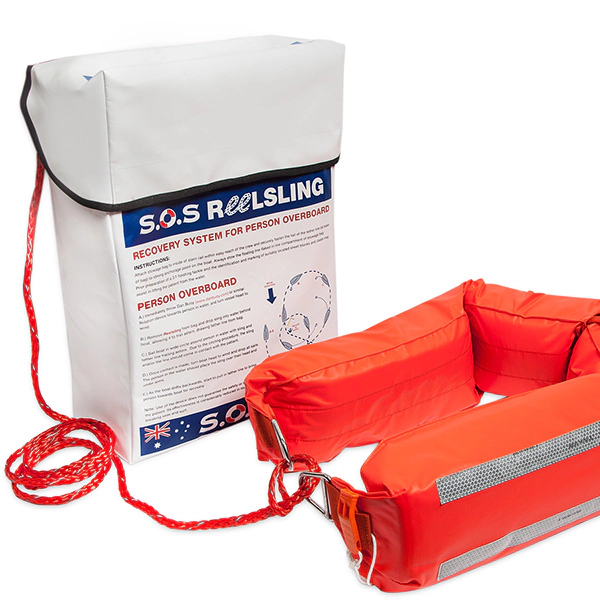
Man-overboard recovery sling with 50 m of floating reflective line. You trail it astern to make contact, then use it to pull the person back and lift them aboard.
Explore →