Loading this page…

Loading this page…
Sailing club
The Canberra Ocean Racing Club (CORC) is a keelboat‑focused sailing club based in Canberra, ACT, offering members access to a Bavaria 46 cruiser for harbour, coastal and offshore racing and cruising from Sydney Harbour and Pittwater.
About
The Canberra Ocean Racing Club (CORC) is a keelboat‑focused sailing club based in Canberra, ACT, offering members access to a Bavaria 46 cruiser for harbour, coastal and offshore racing and cruising from Sydney Harbour and Pittwater.
Service area: Canberra, ACT
Keep exploring
Canberra is about as far from the ocean as an Australian capital gets, but that hasn't stopped the Canberra Ocean Racing Club (CORC). Since 1979 this yacht-owning club has given Canberra and regional sailors a way to race and cruise on harbour, coastal and blue water, without each member needing their own yacht.
How it works. The club owns the boat and members share it. The current yacht is Namadgi 3, a Bavaria 46 cruiser commissioned on 15 July 2017 and berthed in the Sydney Harbour and Pittwater area. She's the eighth yacht the club has owned. Membership is small, around 20 active sailors, and the club says it especially suits people without the time or money to keep a yacht of their own.
What members do. Races, coastal cruises and longer passages. The club's albums record a Sydney Hobart entry in 2013, cruises to Tasmania in 2015 and 2020, a Pacific cruise in 2023 and regular winter cruises.
It's an unusual model and a clever one: blue-water experience for a fraction of the cost of ownership. For more on the home waters, see our Pittwater sailing guide and Sydney Harbour page.
CORC is designed for sailors who want offshore and coastal experience without the cost and time of owning their own yacht. Members share the club's Bavaria 46 Cruiser, Namadgi 3, based in the Sydney Harbour and Pittwater region, and learn by crewing on club races, cruises and passages — the club describes it as an ideal way to gain practical experience before buying a yacht of your own.
Offshore racing requires safety training, so members planning passages should look at courses such as Safety and Sea Survival, which clubs like the Cruising Yacht Club of Australia run in Sydney. Our guides to planning an offshore passage along the NSW coast and sailing Pittwater are useful background.
Members sail from the club's home base in Sydney Harbour and nearby Pittwater. That gives them a protected harbour to train in, as well as the open Tasman Sea for offshore passages.
It's a smart base. Pittwater is one of Australia's best cruising grounds, with sheltered anchorages and a short hop to Broken Bay and the Hawkesbury River. Sydney Harbour puts the club at the heart of the country's busiest racing scene and close to the start of the Sydney Hobart. From there the NSW coast offers a long list of coastal passages, and Bass Strait leads on to Tasmania, where members have cruised twice.
For passage planning, see our guides to sailing Pittwater, offshore passages along the NSW coast and the Sydney Harbour location page.
The Canberra Ocean Racing Club was founded in 1979 to give Canberra-based sailors a platform for coastal and offshore sailing. The idea was simple: pool resources, own a yacht together, and take it to sea.
Over the years the club has owned eight yachts. The current one, the Bavaria 46 cruiser Namadgi 3, was commissioned on 15 July 2017. She shares her name with the ACT's Namadgi National Park, a fitting link back to the club's inland home.
The club's record shows how far that shared-yacht idea can go. Members entered the Sydney Hobart in 2013, cruised to Tasmania in 2015 and again in 2020, and sailed a Pacific cruise in 2023, alongside regular winter cruises and coastal racing. The club now has about 20 members and keeps the same founding purpose: getting Canberra sailors out to sea.
Adelaide’s metropolitan coast fronts the eastern side of Gulf St Vincent and mixes short, sheltered bay sailing around Holdfast Bay and the Patawalonga with more exposed, open-water sailing north toward Outer Harbour and along the Le Fevre Peninsula. The area suits a wide range of activity — sheltered day sails, club and trailer-sailer racing, short coastal cruising into the Fleurieu and Yorke Peninsula, and launch-and-home-port racing — but demands local knowledge about shipping channels, tidal flows in the Port River/Outer Harbour approaches, and seasonal wind patterns.

Look for a friendly club with beginner-focused training, accessible facilities and boats, a supportive community, clear safety practices, and opportunities to progress at your own pace.
Explore →
Reef as soon as the boat becomes hard to steer, uncomfortable, or when sails start flogging — reduce the mainsail first (to keep balance), then reduce headsail area; practise the reefing sequence and check sail trim and helm balance afterwards.
Explore →
Plan the trip by setting a clear route and timeline, checking tides and currents for your passage times, identifying safe anchorages/harbours as escape options, and building a conservative margin for delays and weather changes.
Explore →
Pick a stable, simple, forgiving dinghy with a single sail or basic sloop rig, affordable handling and easy maintenance—ideally one with a local class or school nearby so you can access coaching and spare parts.
Explore →Practical, safety-focused cruising guidance for recreational sailors planning a coastal voyage from Sydney to Eden. Covers trip planning, common routes, weather and tidal considerations, safe anchorages and ports of refuge, provisioning, and sensible watchkeeping for Australian conditions.
Explore →
A practical guide for new sailors on picking the right Australian sailing club: training, boat access, racing, social fit, costs and the key questions to ask before joining.
Explore →Practical guide for recreational sailors planning a coastal cruise from Sydney north to the Queensland border. Covers route options, weather and tidal considerations, planning checklists, common hazards, anchorages and practical examples for a safe, enjoyable trip.
Explore →A practical guide for recreational sailors planning voyages to Esperance and the Recherche Archipelago: what to expect, key planning considerations, common anchorages, safety and communications, equipment recommendations and sensible steps for a successful trip in this remote southern WA cruising area.
Explore →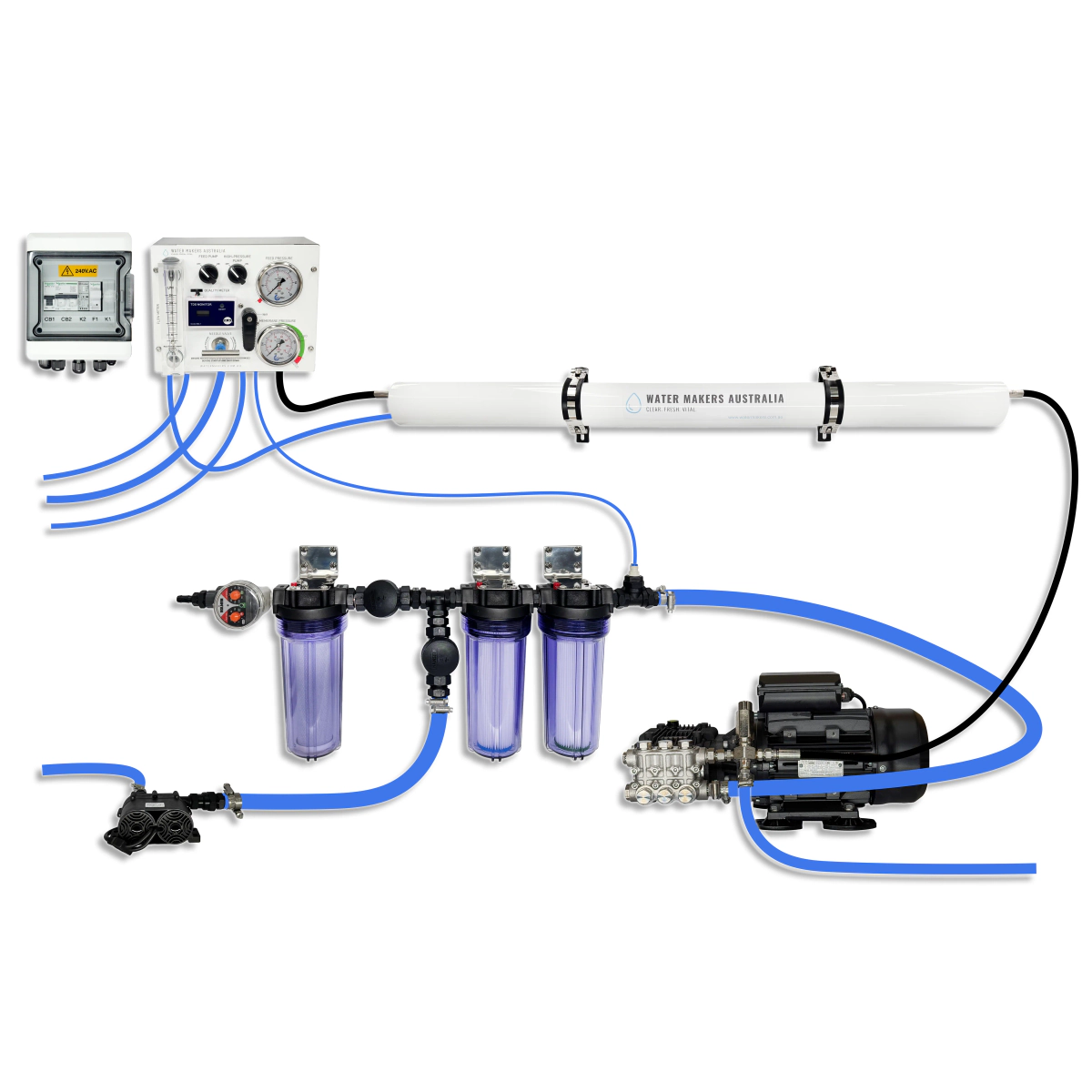
Single-membrane 240 V reverse-osmosis watermaker producing a nominal 80 L/h, built to order in Sydney for cruising boats of about 10 to 15 m with a generator or inverter.
Explore →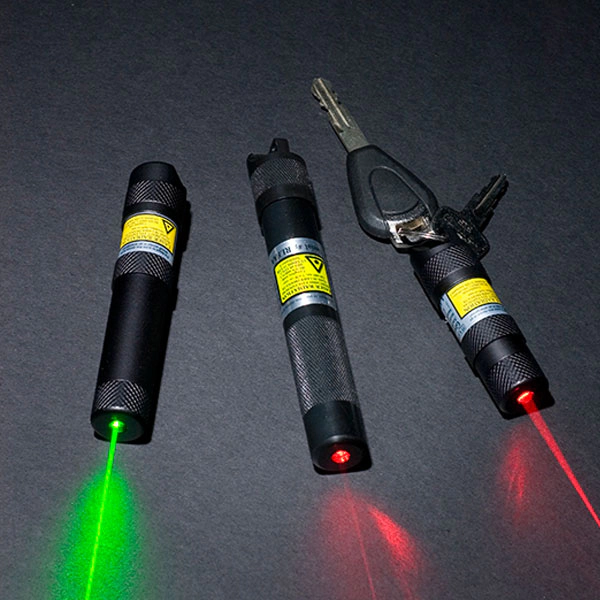
Hand-held, non-flammable laser signalling devices for day and night use, in red, green and Magnum versions, waterproof to 24 m and running for 5 to 72 hours on a battery.
Explore →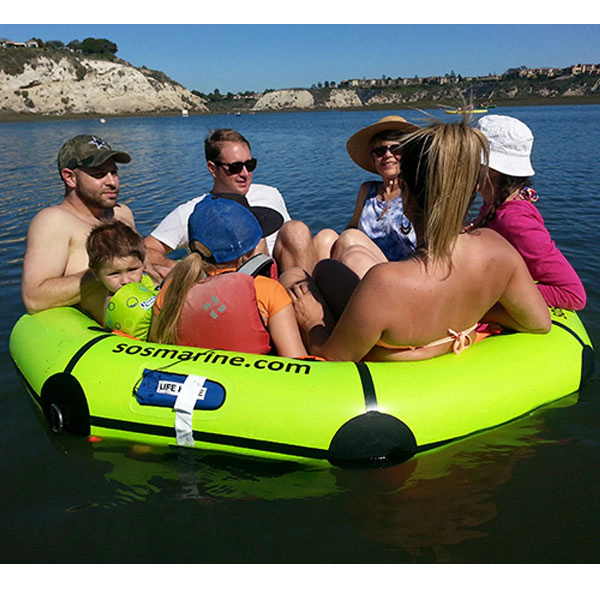
Compact four-person life raft in a valise for inshore and coastal use. It weighs 8.6 kg, packs to 520 x 340 x 170 mm and is serviced every two years.
Explore →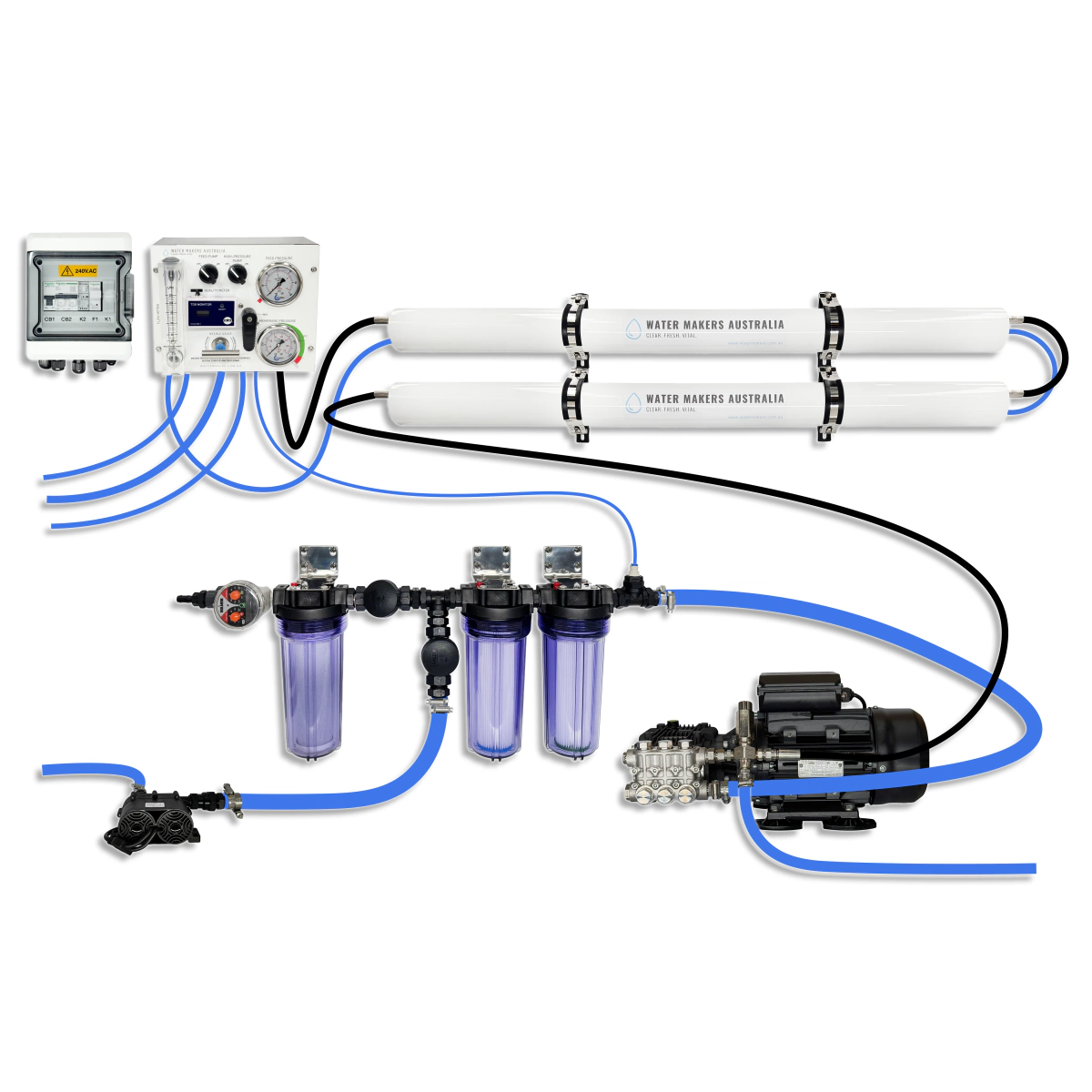
Twin-membrane 240 V reverse-osmosis watermaker producing a nominal 140 L/h, built to order in Sydney for family cruising on boats of about 11 to 18 m.
Explore →