Loading this page…

Loading this page…
Sailing club
Normanville Sailing Club is a small community sailing club based at Normanville on the Fleurieu Peninsula (District Council of Yankalilla), South Australia. The club runs social sailing and racing from the Normanville foreshore / beach area and is managed by volunteer officers. Public presence is through a Facebook page and community directory listings.
About
Normanville Sailing Club is a small community sailing club based at Normanville on the Fleurieu Peninsula (District Council of Yankalilla), South Australia. The club runs social sailing and racing from the Normanville foreshore / beach area and is managed by volunteer officers. Public presence is through a Facebook page and community directory listings.
Service area: Normanville / District Council of Yankalilla, Fleurieu Peninsula, South Australia
Keep exploring
Normanville Sailing Club is a volunteer-run community sailing club at Normanville on the Fleurieu Peninsula, about an hour south of Adelaide. It sails from the Normanville foreshore, running club racing and social sails for members.
What the club offers. Organised racing and social sailing, run by an active volunteer committee that coordinates fixtures and club business.
Setting. Normanville sits in the middle of a 7.3-kilometre sandy beach on Yankalilla Bay, and it's the largest coastal settlement on the Fleurieu's west coast. The club uses the bay and nearshore waters for its sailing, and the beach is patrolled by Surf Life Saving in summer.
Membership and contact. The club is community-run and has no dedicated website. The best contact is its Facebook page, phone (0402 340 029) or email (brian.matthews51@gmail.com).
It's a relaxed, beach-based club and a lovely way to sail on the Fleurieu without the bustle of the city clubs. See our Normanville sailing clubs page and Fleurieu Peninsula page for more.
The club's core activities are racing and social sailing. It doesn't publish formal learn-to-sail, junior or training programs, so prospective members should contact the club directly (by phone or Facebook) to ask about training or junior sailing.
Beach clubs like this are a friendly place to start. Turn up on a sailing day, meet members and ask about crewing. Before your first sail off an open beach, read our FAQs on checks before your first sail in SA waters and launching from beaches, and our guide to sailing safety for beginners.
The club sails from Normanville Beach and the nearshore waters of Yankalilla Bay on the Fleurieu Peninsula. Normanville is a long, sandy foreshore town with beach access and foreshore facilities, and the club uses the bay and nearby coast for social sailing and club racing.
Yankalilla Bay opens onto lower Gulf St Vincent, so the water is open but usually more sheltered than the ocean coast. Summer sea breezes fill in reliably, and onshore winds can make beach launching and landing part of the challenge. Further south, Cape Jervis and Backstairs Passage lead to Kangaroo Island. See our FAQ on wind and sea conditions in Gulf St Vincent and the Kangaroo Island page.
Normanville Sailing Club is an established local sailing club and an active part of the community. Council documents about the Normanville foreshore have long included access for the sailing club, and the club has met with the council in recent years about foreshore facilities.
The town has a long history of its own. It was established in 1849 by Robert Norman, South Australia's first dentist, and grew into a beach holiday destination for Adelaide families. The sailing club has been part of that seaside life for years, keeping sailing on Yankalilla Bay relaxed, social and community-run.
American River (Kangaroo Island, SA) is a small, sheltered inlet and township on the north‑eastern side of Kangaroo Island that acts as a calm staging point for cruising the eastern part of the island and for short hops through Backstairs Passage. It’s distinctive for its protected anchorage inside Eastern Cove and the adjacency of Pelican Lagoon — a shallow, ecologically important lagoon with sanctuary zoning — which shapes how and where boats can move. The area suits sheltered day sailing, weekend cruising and short coastal passages; it’s appropriate for trailer sailors, small cruisers and a

Legal safety equipment for recreational boats in South Australia depends on the type, size and where you operate; you must check the current SA government requirements for your vessel. Independently of legal minimums, carry a sensible set of recommended items (lifejackets, means of communication, signaling, fire protection, anchor and basic tools) and make them usable and maintained.
Explore →
Do a seasonal inspection and servicing routine that focuses on hull and antifouling, through-hulls and seacocks, rigging and sails, engine and fuel systems, electricals and batteries, safety gear and bilge systems. Tailor exact tasks to your boat type, age and where you sail in South Australia, and follow manufacturer and marine service advice for anything technical.
Explore →
Look for a friendly club with beginner-focused training, accessible facilities and boats, a supportive community, clear safety practices, and opportunities to progress at your own pace.
Explore →
Tidal streams and local wind patterns can change trip time, fuel use, helm balance and safety margins on short coastal runs — plan your departure and route to use favourable tidal flow, allow margin for wind-driven sea and gusts, and check up-to-date local tide and weather information before you go.
Explore →
A practical guide for new sailors on picking the right Australian sailing club: training, boat access, racing, social fit, costs and the key questions to ask before joining.
Explore →A practical guide to the coastal weather systems that affect sailing along Western Australia's coast, focusing on the Fremantle Doctor, local sea breezes, and linked coastal phenomena. Explains how these systems form, when they tend to occur, how they influence boat handling and passage planning, common mistakes, and a
Explore →A practical guide for recreational sailors planning visits to Albany and King George Sound. Covers the main anchorage areas, typical local weather patterns, tidal and current considerations, navigational hazards, on-the-water etiquette and a pre-departure checklist to help you plan a safe passage and enjoyable stopover
Explore →
A practical, Australia-focused guide for planning and sailing around the Whitsunday Islands: weather and seasons, navigation and anchoring, moorings and parks, provisioning and charters, safety and common mistakes, plus checklists and next steps.
Explore →Burke Yachtsman Gear Bag 40L - Shop Now Zip Pay | Tamar Marine Skip to content 59 – 63 Holbrook Street, Invermay Online Shop Open 24/7 Products search Contact us 1300 MARINE $ 0.00 0 Cart Burke Yachtsman Gear Bag 40L $ 79.90 Colour Choose an option Black Blue Black Blue Clear - Burke Yachtsman Gear Bag 40L quantity + Add to cart Enquire about this product SKU BAGB-Y24/BLACK* Category Bags - Sail & Gear A Burke classic and customer favourite, the Yachtsman’s Gear Bag is built tough to handle wet, salty conditions while keeping your gear dry and protected. Made from double coated waterproof…
Explore →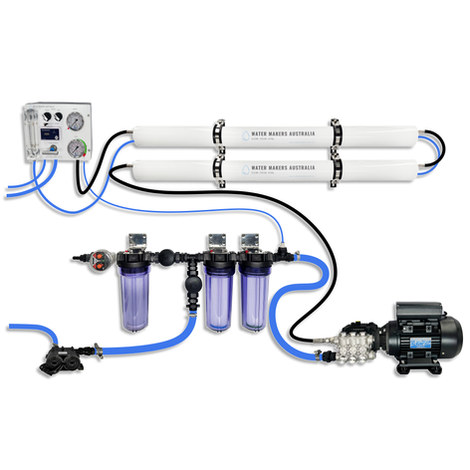
A two-membrane modular watermaker with 140 L/h nominal output, aimed at families and liveaboards that want more water per run.
Explore →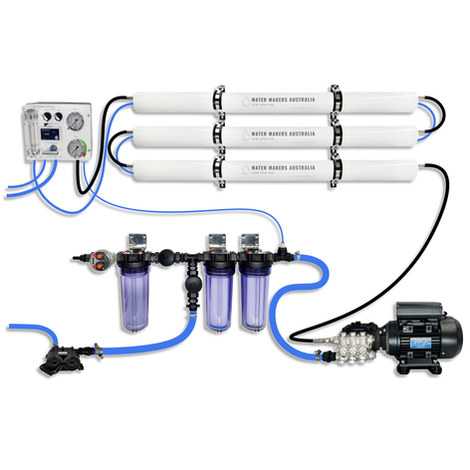
A three-membrane modular watermaker with 200 L/h nominal output and up to 240 L/h family-level marketing, for larger crews and heavy use.
Explore →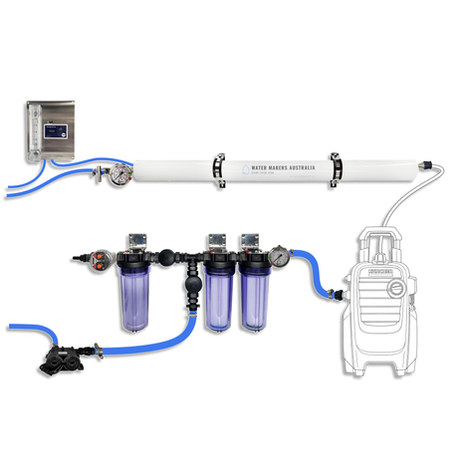
A one-membrane modular marine watermaker with 80 L/h nominal output, remote stainless control panel, standard consumables and direct Australian support.
Explore →