Loading this page…

Loading this page…
Sailing club
Port Vincent Sailing Club is a family-oriented dinghy sailing club based at Port Vincent, South Australia, racing and social sailing on the sheltered waters of Port Vincent Bay / Gulf St Vincent. The club runs a seasonal programme of club racing and hosts state and occasional national class events.
About
Port Vincent Sailing Club is a family-oriented dinghy sailing club based at Port Vincent, South Australia, racing and social sailing on the sheltered waters of Port Vincent Bay / Gulf St Vincent. The club runs a seasonal programme of club racing and hosts state and occasional national class events.
Service area: Port Vincent, South Australia
Keep exploring
Port Vincent Sailing Club is a community sailing club at 10 Marine Parade, Port Vincent, on the eastern coast of Yorke Peninsula, looking across Gulf St Vincent toward Adelaide. It offers family-oriented dinghy and trailer-sailer racing on the sheltered waters of Port Vincent Bay, with club racing from early spring to autumn.
Beyond regular racing and social activities, the club has hosted state championship events and, in the past, national regattas. It sails from a clubhouse built on the current site in 1959, and sailing on the bay goes back to the 1930s.
Port Vincent is one of Yorke Peninsula's favourite holiday towns, with a crescent-shaped bay, a swimming beach and a marina at the northern end, so the club is a busy, sociable place in summer. Racing includes a sponsored summer series in which trailer sailers compete around the bay. Follow the club's Facebook page or call 0428 292 315 for the season program. See our Port Vincent sailing clubs page and Yorke Peninsula page for more.
The club runs a seasonal racing and social sailing program from early October to late April, with about 20–25 events for members each season. It has hosted state championships for several yacht and dinghy classes and, in the past, national regattas. The facilities support recreational and competitive sailing and are sometimes used by school aquatics programs. The club doesn't advertise formal learn-to-sail courses, so contact it about crewing or trying a sail.
Holiday sailors are a big part of the scene here. Many families sail at Port Vincent over summer, so the season is a friendly place to meet people and find a crew spot. For formal courses before you go, browse sailing courses on YouSail, and read our FAQ on checks before your first sail in SA waters.
The club sails on Port Vincent Bay, on the eastern side of Gulf St Vincent. The bay is sheltered, and the town has a marina at its northern end and is a popular holiday and boating destination.
Port Vincent faces east across the gulf toward the Adelaide coast, so it's a natural stop for Adelaide yachts crossing the gulf. The marina at the northern end of the bay gives visiting boats a safe berth. Summer sea breezes on the gulf are usually reliable, while the bay itself stays comparatively calm, which is good for dinghy sailing and families. See our FAQ on wind and sea conditions in Gulf St Vincent and our Gulf St Vincent page.
Yachts were first sailed on Port Vincent Bay in 1934, and the Port Vincent Sailing Club was formed in 1935. Club activities stopped during the Second World War and started again in 1958. A clubhouse was built on the current site in 1959 and has been extended several times since.
The town itself dates from 1877, when it was surveyed as a port for shipping grain from the surrounding farmland, and the bay's sailing tradition grew from that maritime past. Over the decades the club has built a long record of local racing and has hosted state and national events for various classes. It remains a summer fixture for locals and holidaying families on Yorke Peninsula.
Apollo Bay is a small working harbour on Victoria’s Great Ocean Road where sheltered inshore sailing meets the Southern Ocean. The character is a mix of protected harbour berths and an exposed open coast: pleasant day-sails and sheltered weekend cruising inside the bay, with demanding coastal passages immediately offshore where south‑westerly swell and strong winds from the Southern Ocean dominate. It suits coastal cruisers, trailer sailors who launch at the ramp, and experienced coastal sailors who understand bar and swell behaviour; it is not a casual open‑ocean anchorage for unprepared or

Expect light to moderate, thermally-driven sea breezes in summer with afternoon strengthening; more changeable and often stronger winds with frontal systems in autumn and spring; and the windiest, roughest conditions in winter when cold fronts and sou’westers are most frequent. Gulf St Vincent is more sheltered than the exposed coast but can still produce steep chop and sudden changes near Adelaide and headlands.
Explore →
Legal safety equipment for recreational boats in South Australia depends on the type, size and where you operate; you must check the current SA government requirements for your vessel. Independently of legal minimums, carry a sensible set of recommended items (lifejackets, means of communication, signaling, fire protection, anchor and basic tools) and make them usable and maintained.
Explore →
Do a seasonal inspection and servicing routine that focuses on hull and antifouling, through-hulls and seacocks, rigging and sails, engine and fuel systems, electricals and batteries, safety gear and bilge systems. Tailor exact tasks to your boat type, age and where you sail in South Australia, and follow manufacturer and marine service advice for anything technical.
Explore →
Look for a friendly club with beginner-focused training, accessible facilities and boats, a supportive community, clear safety practices, and opportunities to progress at your own pace.
Explore →
A practical guide for new sailors on picking the right Australian sailing club: training, boat access, racing, social fit, costs and the key questions to ask before joining.
Explore →A practical guide for recreational sailors planning short trips or multi-day cruises around Port Stephens, the Myall Coast and nearby offshore waters. Covers local geography, common conditions, navigation considerations, anchoring and mooring tips, and safety checklists tailored to Australian conditions.
Explore →A practical guide for recreational sailors planning passages to, from or around Eden and Twofold Bay. Covers sheltered anchorages, shore facilities, local weather and tidal considerations, preparing for Bass Strait conditions and a focused equipment and safety checklist.
Explore →A practical guide to the coastal weather systems that affect sailing along Western Australia's coast, focusing on the Fremantle Doctor, local sea breezes, and linked coastal phenomena. Explains how these systems form, when they tend to occur, how they influence boat handling and passage planning, common mistakes, and a
Explore →Burke Yachtsman Gear Bag 40L - Shop Now Zip Pay | Tamar Marine Skip to content 59 – 63 Holbrook Street, Invermay Online Shop Open 24/7 Products search Contact us 1300 MARINE $ 0.00 0 Cart Burke Yachtsman Gear Bag 40L $ 79.90 Colour Choose an option Black Blue Black Blue Clear - Burke Yachtsman Gear Bag 40L quantity + Add to cart Enquire about this product SKU BAGB-Y24/BLACK* Category Bags - Sail & Gear A Burke classic and customer favourite, the Yachtsman’s Gear Bag is built tough to handle wet, salty conditions while keeping your gear dry and protected. Made from double coated waterproof…
Explore →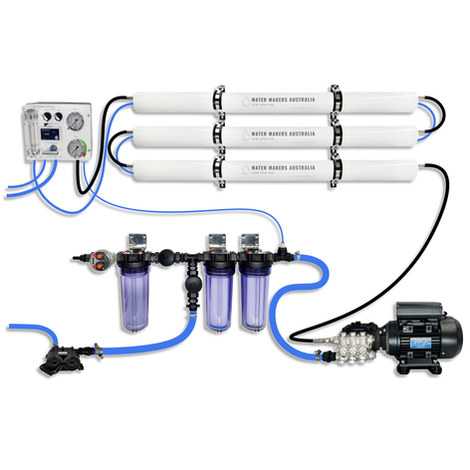
A three-membrane modular watermaker with 200 L/h nominal output and up to 240 L/h family-level marketing, for larger crews and heavy use.
Explore →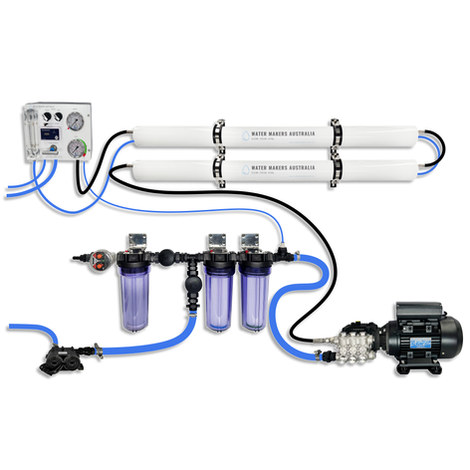
A two-membrane modular watermaker with 140 L/h nominal output, aimed at families and liveaboards that want more water per run.
Explore →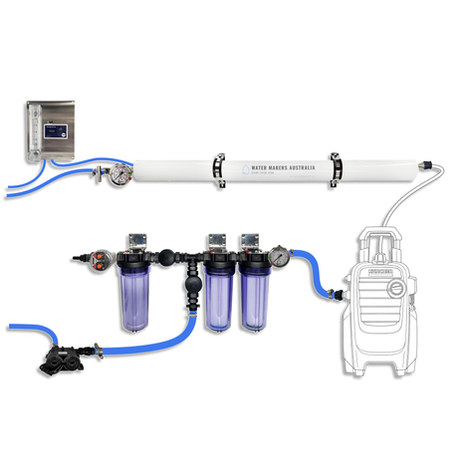
A one-membrane modular marine watermaker with 80 L/h nominal output, remote stainless control panel, standard consumables and direct Australian support.
Explore →