Loading this page…

Loading this page…
Sailing club
Robe Yacht Club has been sailing on Guichen Bay since 1954, carrying on a regatta tradition in Robe that dates back to 1859. From its clubhouse at Karatta Beach, built in 2002, it offers sail training, social sailing and racing on one of the prettiest bays on South Australia's Limestone Coast.
About
Robe Yacht Club has been sailing on Guichen Bay since 1954, carrying on a regatta tradition in Robe that dates back to 1859. From its clubhouse at Karatta Beach, built in 2002, it offers sail training, social sailing and racing on one of the prettiest bays on South Australia's Limestone Coast.
Service area: Robe (Karatta Beach), South Australia
Keep exploring
Robe Yacht Club is based at Karatta Beach, Karatta Road, Robe, on Guichen Bay on South Australia's south-east coast. It offers sail training, social sailing and racing for members and visitors, and has sailed from its Karatta Beach clubhouse since 2002.
The club was formed on 7 March 1954 and has hosted events such as the 1959 National VJ Championships and the Adelaide to Robe Yacht Race. Contact the secretariat on 0428 815 863 or by email at secretary@robeyachtclub.org.au, or by post to PO Box 48, Robe SA 5276. See our Robe sailing clubs page for more.
Robe Yacht Club offers sail training alongside its racing and social sailing, continuing a tradition that began when the club's first sailing classes started in 1983. Social sails are a relaxed way for newcomers and holidaymakers to get out on Guichen Bay with experienced members, and club racing gives more confident sailors a chance to test themselves.
Because Robe is a popular holiday destination, the summer months are a busy and sociable time at the club. Contact the secretariat before your visit to find out what is on. If you are new to the sport, our beginner's guide to sailing in Australia is a good place to start.
The clubhouse is at Karatta Beach on Guichen Bay in Robe, a historic port town on South Australia's Limestone Coast, about four hours south-east of Adelaide. Guichen Bay offers open-water sailing with Long Beach stretching away to the north.
For decades the club sailed from Hooper's Beach, where boats were left on the sand over summer and races were set west across Guichen Bay, north and east towards Long Beach and back. The move to the purpose-built clubhouse at Karatta Beach in 2002 gave the club a permanent home. Nearby clubs include Lacepede Bay Sailing Club at Kingston SE.
Guichen Bay is more sheltered than the open Limestone Coast, though strong fronts can still bring rough conditions. For more on the town and its harbour, see our Robe page.
Regattas were held on Guichen Bay as early as March 1859, but they were only occasional until the late 1920s, when the town's progress association began organising them as a summer attraction. A boat club formed around then to run the events and to encourage the new sport of motorboat racing, with locals building their own speedboats and racing them off the old jetty.
Robe Yacht Club itself was formed on 7 March 1954 to revive sailing after a long recess. Rick Cawthorne was the first Commodore, with John D Lea as Vice Commodore and Jenny Gilkes as Secretary. That year the club was granted a 21-year lease at Hooper's Beach, which became the centre of Robe's sailing scene until the clubhouse at Karatta Beach was built in 2002.
The club has hosted some notable events over the years: the National VJ Championships in 1959, the Adelaide to Robe Yacht Race in 1969 and 1971 (revived in 1986), the first "Redgum" Yacht Squadron challenge in 1979, and a visit from the tall ship Young Endeavour in 1988.
Batemans Bay is where the tidal Clyde River meets the Tasman Sea on the NSW South Coast. It offers sheltered river and bay sailing, with a bar at the river entrance and the Tollgate Islands just offshore.

Look for a friendly club with beginner-focused training, accessible facilities and boats, a supportive community, clear safety practices, and opportunities to progress at your own pace.
Explore →
Progress gradually by increasing exposure, practising specific skills, sailing with more experienced crew/skippers, and deliberately training for each new step—start in calm sheltered bays, then move to longer trips, busier waters, stronger winds and finally open coastal passages when you and your crew are consistently competent and comfortable.
Explore →
Pick a stable, simple, forgiving dinghy with a single sail or basic sloop rig, affordable handling and easy maintenance—ideally one with a local class or school nearby so you can access coaching and spare parts.
Explore →
Confirm the measurements that define how the sail or cover will fit your specific boat and rig, plus material, attachment details and any interaction with existing hardware (e.g. reefing points, battens, hatches). Measure on the boat and list serial or model details for spars and deck fittings if available.
Explore →
A practical guide for new sailors on picking the right Australian sailing club: training, boat access, racing, social fit, costs and the key questions to ask before joining.
Explore →A practical guide for recreational sailors planning passages to, from or around Eden and Twofold Bay. Covers sheltered anchorages, shore facilities, local weather and tidal considerations, preparing for Bass Strait conditions and a focused equipment and safety checklist.
Explore →
A concise, practical guide to the points of sail and how to trim sails effectively for common Australian conditions. Learn the basics of wind angles, sail shape, telltales, reefing considerations and simple steps to improve boat speed and balance.
Explore →
A practical step‑by‑step guide to planning a safe, realistic coastal sailing passage in Australian waters: choosing a route, estimating distance and time, checking weather and tides, fuel and daylight planning, identifying safe harbours and anchorages, and preparing backup plans.
Explore →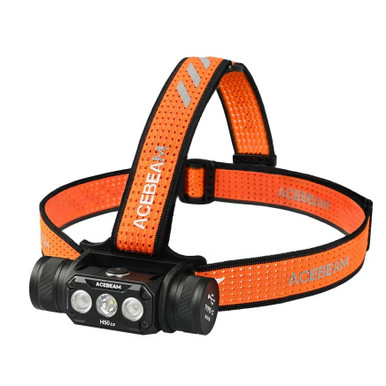
A 2000 lumen headlamp with spot and flood beams, rated IP68 and submersible to 2 metres, with a 141 metre beam and up to 30 hours on low.
Explore →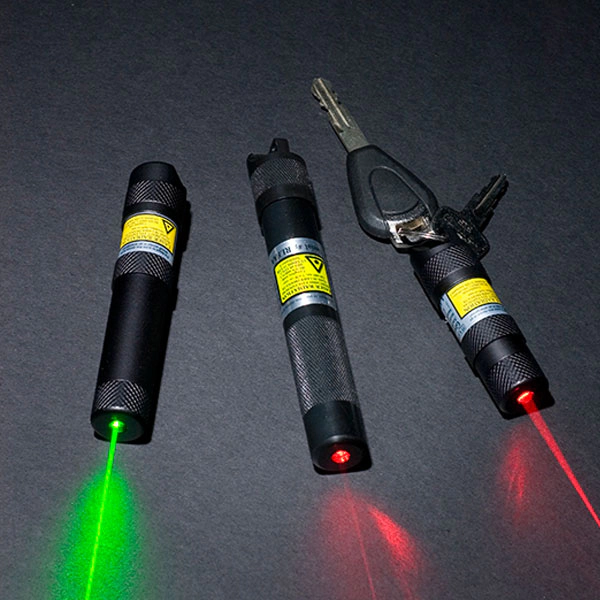
Hand-held, non-flammable laser signalling devices for day and night use, in red, green and Magnum versions, waterproof to 24 m and running for 5 to 72 hours on a battery.
Explore →
Push-to-talk radio that uses 4G mobile networks where there is coverage and a built-in 16-channel analog radio where there is none, with GPS and SOS. Sold as a two-pack.
Explore →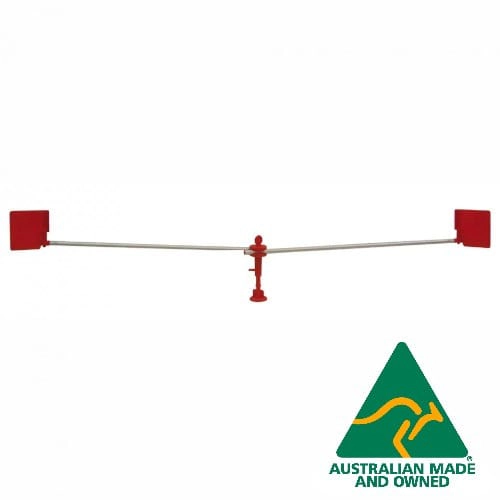
Wind-driven bird repeller with 2 metre rotating arms that keeps birds from roosting on hardtops, biminis, booms and decks. UV stabilised, with a bayonet base and a 12 month warranty.
Explore →