Loading this page…

Loading this page…
Sailing club
Somerton Yacht Club is a small, active family-focused dinghy sailing club based on the Esplanade at Somerton Park, South Australia. The club sails Saturday afternoons from October to Easter, offers racing and training for a range of dinghy and small catamaran classes, welcomes new and social members, and runs a varied social calendar alongside competitive sailing.
About
Somerton Yacht Club is a small, active family-focused dinghy sailing club based on the Esplanade at Somerton Park, South Australia. The club sails Saturday afternoons from October to Easter, offers racing and training for a range of dinghy and small catamaran classes, welcomes new and social members, and runs a varied social calendar alongside competitive sailing.
Service area: Somerton Park, South Australia
Keep exploring
Somerton Yacht Club is a small, friendly, family-oriented dinghy club on the Esplanade at Somerton Park, right on one of Adelaide's best metropolitan beaches. It mixes competitive racing for experienced sailors with a relaxed, helpful atmosphere, and its membership fees are lower than many metropolitan clubs'.
What the club offers
Facilities. A clubhouse with balcony, bar and canteen, BBQ area and adjacent playground, a rigging lawn, showers and easy beach access. The club's tower and balcony, redeveloped in 2021 as the Tyerman–Nicholson Bridge, give a great view of the racing.
Membership. Sailing and social memberships are available, and the club welcomes members of all skill levels.
It's been part of the Somerton foreshore since the 1940s, and it's a great choice for families wanting beach sailing close to the city. See our Somerton Park sailing clubs page and Adelaide page for more.
Somerton runs training and coaching sessions, Try Sailing days and organised training during the sailing season (Saturdays, October to Easter). The club publishes a seasonal sailing program and posts results, notices of race and sailing instructions online.
The club makes it easy to try racing: newcomers' first three races are free, so you can see whether club racing suits you before joining. Beach launching straight from the rigging lawn keeps things simple, and experienced members are known for helping new sailors with rigging, tactics and boat handling.
Before your first sail, our FAQs on checks before your first sail in SA waters and launching from Adelaide beaches are useful reads.
The club is on the Esplanade at Somerton Park, with direct beach access onto Gulf St Vincent. Sailing is organised from the club's beach and rigging lawn on the Somerton shoreline.
Adelaide's metropolitan coast is a great place for dinghy racing. The water is open, the beaches are sandy and gently shelving, and summer afternoons usually bring a south-westerly sea breeze that can build into the high teens of knots. Because the beach faces the open gulf, onshore breezes can make launching and landing through small waves part of the skill set. See our FAQ on wind and sea conditions in Gulf St Vincent and our Gulf St Vincent page.
Somerton Yacht Club grew out of the Broadway Yacht Squadron (also known as Broadway Sailing Club), which sailed from the local beaches in the late 1930s and early 1940s, mostly in home-built boats. The club itself was formed in February 1945 at a meeting chaired by the Mayor of Brighton, and in its first season it sailed from a temporary clubhouse near Farrell Street, Glenelg.
In 1947 members built a permanent clubhouse on the foreshore between Whyte Street and College Road, and the club became incorporated. Disaster struck in 1953, when a storm completely destroyed the clubhouse. Efforts to build again on the John Miller Reserve ran into difficulties, members drifted away, and the club came close to folding. At a special meeting in September 1953, the Somerton Sailing Club renamed itself the Somerton Yacht Club and started again.
The comeback worked. The current clubhouse was officially opened on Saturday 14 December 1957, and the club has sailed from the corner of College Road and the Esplanade ever since. In 2021 the club's viewing tower and balcony were redeveloped with council support, and on 11 October 2021 they were opened as the Tyerman–Nicholson Bridge, honouring two long-serving volunteers.

Legal safety equipment for recreational boats in South Australia depends on the type, size and where you operate; you must check the current SA government requirements for your vessel. Independently of legal minimums, carry a sensible set of recommended items (lifejackets, means of communication, signaling, fire protection, anchor and basic tools) and make them usable and maintained.
Explore →
Do a seasonal inspection and servicing routine that focuses on hull and antifouling, through-hulls and seacocks, rigging and sails, engine and fuel systems, electricals and batteries, safety gear and bilge systems. Tailor exact tasks to your boat type, age and where you sail in South Australia, and follow manufacturer and marine service advice for anything technical.
Explore →
Tidal streams and local wind patterns can change trip time, fuel use, helm balance and safety margins on short coastal runs — plan your departure and route to use favourable tidal flow, allow margin for wind-driven sea and gusts, and check up-to-date local tide and weather information before you go.
Explore →
Local rules, marine‑park zoning and permit needs vary by reserve around South Australia’s coast — check the relevant marine park zoning map and SA Department for Environment and Water (DEW) information for the exact area before you go.
Explore →
A practical guide for new sailors on picking the right Australian sailing club: training, boat access, racing, social fit, costs and the key questions to ask before joining.
Explore →
A practical, Australia‑focused introduction to sailing: key terms, common boat types, basic manoeuvres, where to learn, licence and club options, and planning your first trips with safety and local conditions in mind.
Explore →
A practical, Australia-focused guide for planning and sailing around the Whitsunday Islands: weather and seasons, navigation and anchoring, moorings and parks, provisioning and charters, safety and common mistakes, plus checklists and next steps.
Explore →A practical guide to the coastal weather systems that affect sailing along Western Australia's coast, focusing on the Fremantle Doctor, local sea breezes, and linked coastal phenomena. Explains how these systems form, when they tend to occur, how they influence boat handling and passage planning, common mistakes, and a
Explore →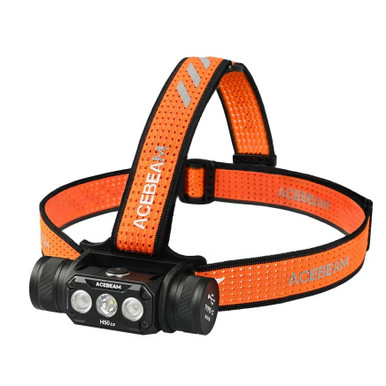
A 2000 lumen headlamp with spot and flood beams, rated IP68 and submersible to 2 metres, with a 141 metre beam and up to 30 hours on low.
Explore →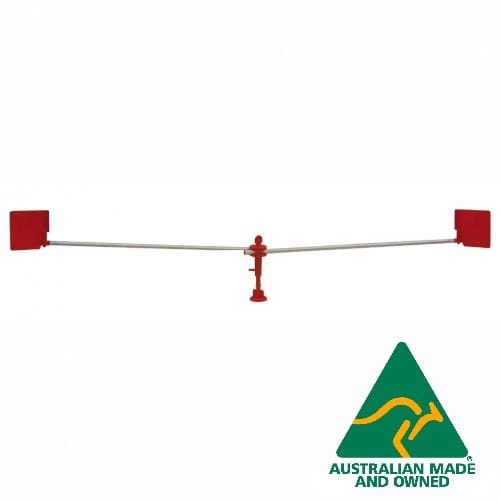
Wind-driven bird repeller with 1 metre rotating arms for smaller areas such as a boom, a solar panel or a small bimini. UV stabilised, with a bayonet base and a 12 month warranty.
Explore →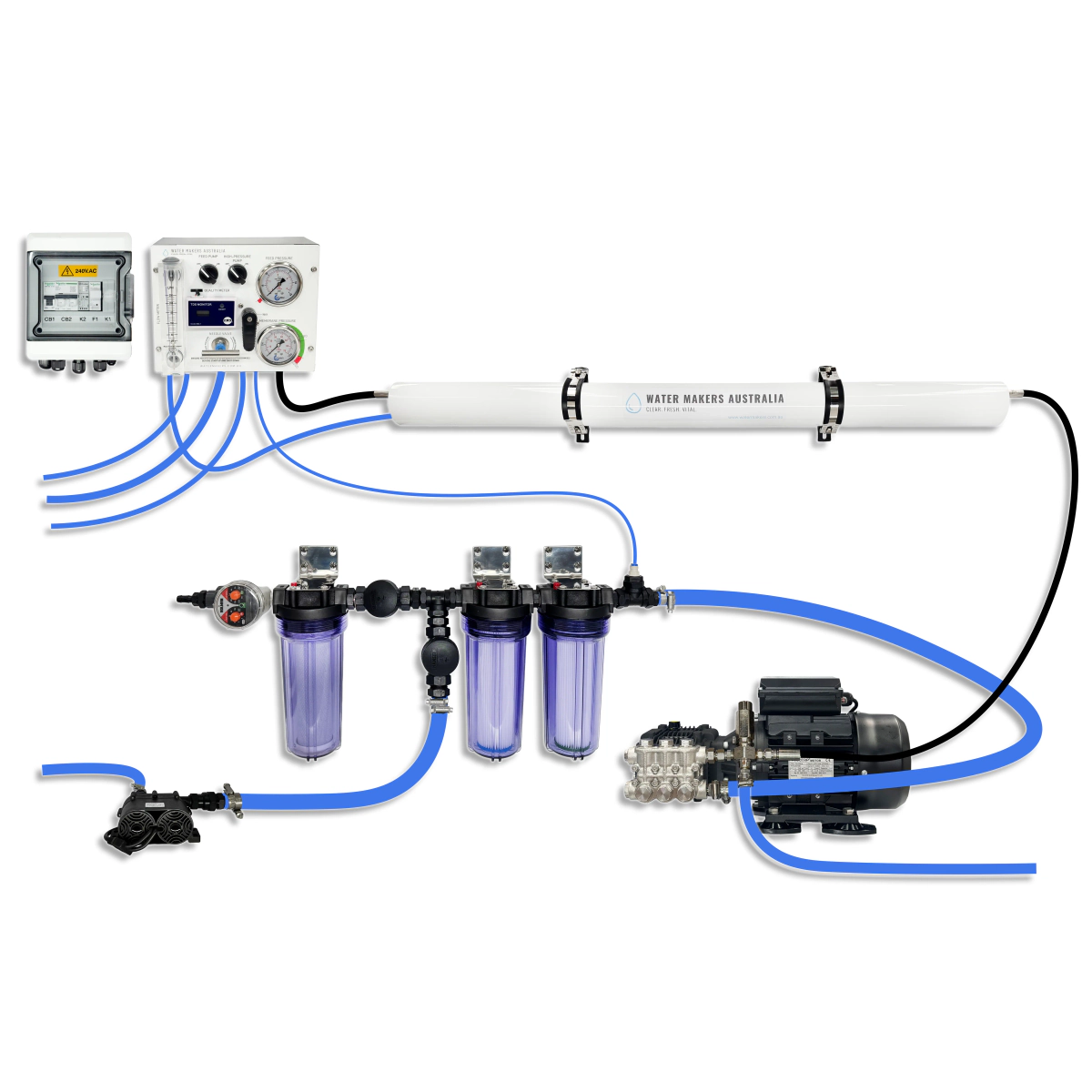
Single-membrane reverse-osmosis watermaker with a 1.1 kW motor, producing a nominal 60 L/h from a 2 kVA inverter or small generator, for cruising couples on boats of about 9 to 14 m.
Explore →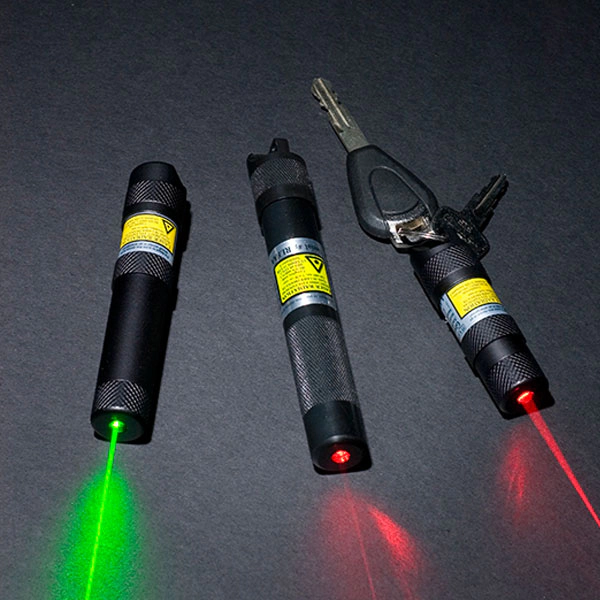
Hand-held, non-flammable laser signalling devices for day and night use, in red, green and Magnum versions, waterproof to 24 m and running for 5 to 72 hours on a battery.
Explore →