1B
Loading this page…
Loading this page…

About
Stella Marine Group is an Australian marine manufacturer established in 2003. Its current manufactured product range includes Stella watermakers and fully automatic Aquarius systems.
Service area: Gold Coast, Australia-wide and international dealer support
Stella Marine Group is an Australian marine manufacturer established in 2003. Its current manufactured product range includes Stella watermakers and fully automatic Aquarius systems.
The relevant systems or brands are Stella Gen 3 Watermaker; Stella Aquarius Watermaker; modular Australian-made desalination systems. The business advertises or is verified for Design; manufacturing; watermaker supply; technical support; marine engineering; installation and refit support. Its principal location for this directory is Unit N1/D, The Boat Works North Yard, 199 Beattie Road, Coomera QLD 4209, with practical coverage described as Gold Coast, Australia-wide and international dealer support.
A marine watermaker is a reverse-osmosis desalination plant, not simply a filter. It draws seawater through an intake and pre-filter system, raises the pressure sufficiently for the RO membrane to separate fresh product water from concentrated brine, then sends the usable water toward a test point or tank. Production depends on seawater temperature, salinity, membrane condition, feed pressure and system design, so advertised litres per hour should be treated as a rated figure rather than a guaranteed output in every anchorage.
For a manufacturer, the most useful questions are output, power draw, pump architecture, membrane size, control method, installation footprint and how easily consumables can be sourced. Cruising owners should also ask how the system is flushed or pickled, what happens if a proprietary control component fails, and whether common filters, membranes and fittings can be purchased away from the original supplier.
Keep exploring
Other marine service
BCF Burleigh | Boating, Camping & Fishing StoreBurleigh Waters, QLD4.3 · 265 Google reviews
View profileOutput should be chosen from the crew's real daily water use rather than from boat length alone. Drinking and cooking may require relatively little water, while regular showers, washing machines, deck rinsing and liveaboard use can multiply consumption. A higher-output unit can shorten run time but may demand more AC or DC power. A low-energy DC system can suit a solar-heavy yacht but may need to run for many hours to fill the tanks. Owners should compare litres per hour, watts consumed, daily energy required and the capacity of the boat's battery, alternator, solar, inverter or generator system.
Installation space is equally important. Modular systems allow the membranes, filters and pumps to be separated around a machinery space, while framed systems can be easier to install and service when enough room exists. The intake should be located where it is unlikely to draw air or contaminated harbour water. The brine discharge needs a reliable route overboard. Filters, pressure gauges, flushing valves and membrane housings should remain reachable for routine maintenance rather than being buried behind permanent joinery.
Watermakers reward regular use and correct shutdown procedures. Seawater left stagnant inside a membrane system can create biological fouling, so freshwater flushing is important when the unit will sit unused. Longer lay-ups may require preservation or pickling using the manufacturer's specified process. Prefilters need routine replacement and should be checked more often in silty, plankton-rich or polluted water. Product-water quality should be monitored before water is diverted into the main tank, particularly after servicing or a long period of storage.
Owners planning remote cruising should ask which spares are sensible to carry. Typical items may include sediment filters, pump service parts, O-rings, belts or impellers, hoses and preservation chemicals, but the correct kit depends on the specific system. Membranes often last a long time when operated and maintained correctly, so replacing them simply because of age is not always necessary. Diagnosis should consider feed flow, pressure, temperature and water quality before assuming the membrane has failed.
Ashmore Reef is a remote, uninhabited oceanic reef and low-lying island group in the Timor Sea that offers a stark, conservation-led sailing environment rather than typical recreational cruising. It is distinctive for its exposed coral reef, vegetated sand islands and strong legal protections, including tightly controlled access and traditional Indonesian fishing arrangements. Visiting from a recreational yacht is logistically challenging, subject to regulatory limits, and suited only to well-prepared offshore passages or research/management charters rather than casual day sails.

Legal safety equipment for recreational boats in South Australia depends on the type, size and where you operate; you must check the current SA government requirements for your vessel. Independently of legal minimums, carry a sensible set of recommended items (lifejackets, means of communication, signaling, fire protection, anchor and basic tools) and make them usable and maintained.
Explore →
Before your first sail in South Australian waters check the weather and tide, make sure the boat and safety equipment are fit for the trip, confirm local rules and any area-specific hazards, and tell someone your plan.
Explore →
Before you head offshore from WA have a reliable primary VHF with DSC, a charged and registered 406 MHz EPIRB, at least one waterproof mobile phone and a separate handheld VHF as a backup; write and practise a clear escalation procedure so everyone knows which device to use and when.
Explore →
Choose an anchor type and size matched to your boat, seabed and expected conditions; set it by lowering steadily, backing down under power to bury the fluke or hook, and scope the rode to suit tidal range and wind/sea state. Regularly inspect your set and use trip lines or secondary anchors where risk of wind or current change is high.
Explore →A practical guide for recreational sailors on using VHF marine radios safely and effectively in Australian waters: basic operation, channel use, emergency procedures, DSC basics, common mistakes and a ready checklist for pre-departure and on-water use.
Explore →Practical guidance for recreational sailors in New South Wales on navigating marine parks, using moorings and anchoring responsibly. Covers how to plan passages, approach moorings, set and retrieve an anchor, minimise environmental impact and follow local rules.
Explore →Practical guide for recreational sailors planning passages, anchorages and visits to Ningaloo Reef and the Exmouth coast. Covers anchoring considerations, marine park rules and how local weather, tides and currents affect safety and enjoyment.
Explore →A practical guide for recreational sailors planning passages to and around Rottnest Island. Covers anchoring and mooring options, local weather and sea conditions, tide and current considerations, passage planning tips and clear safety checklists tailored to Australian sailing conditions.
Explore →Burke Yachtsman Gear Bag 40L - Shop Now Zip Pay | Tamar Marine Skip to content 59 – 63 Holbrook Street, Invermay Online Shop Open 24/7 Products search Contact us 1300 MARINE $ 0.00 0 Cart Burke Yachtsman Gear Bag 40L $ 79.90 Colour Choose an option Black Blue Black Blue Clear - Burke Yachtsman Gear Bag 40L quantity + Add to cart Enquire about this product SKU BAGB-Y24/BLACK* Category Bags - Sail & Gear A Burke classic and customer favourite, the Yachtsman’s Gear Bag is built tough to handle wet, salty conditions while keeping your gear dry and protected. Made from double coated waterproof…
Explore →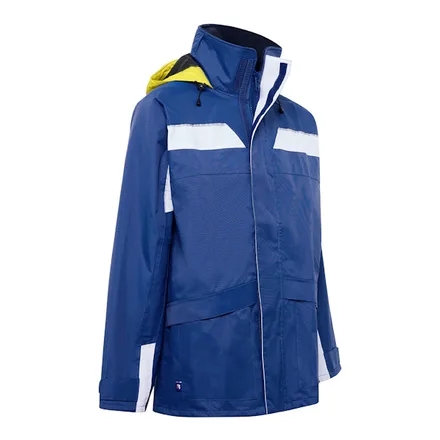
Burke Super Dry Jacket in Blue. Product codes shown: DRY228-XS, DRY228-S, DRY228-M, DRY228-L, DRY228-XL, DRY228-XXL. Available sizes listed: XS, S, M, L, XL, XXL.
Explore →
Self-contained, battery-powered plug‑and‑play autopilot designed for standard hydraulic steering systems.
Explore →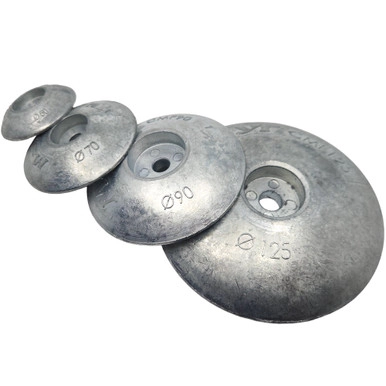
Imported from All Marine Spares. This draft has no editorial summary yet.
Explore →