Loading this page…

Loading this page…
Sailing club
Darwin Sailing Club is a waterfront yacht and sailing club at Fannie Bay, Darwin (Northern Territory). The club runs regular social and competitive sailing, coaching and formal training programs for juniors and adults, hosts regattas and community events, and operates waterfront dining and event facilities from its clubhouse.
About
Darwin Sailing Club is a waterfront yacht and sailing club at Fannie Bay, Darwin (Northern Territory). The club runs regular social and competitive sailing, coaching and formal training programs for juniors and adults, hosts regattas and community events, and operates waterfront dining and event facilities from its clubhouse.
Service area: Fannie Bay, Darwin, Northern Territory
Keep exploring
Sunset over Fannie Bay with a cold drink in hand is a Darwin ritual, and Darwin Sailing Club is one of the best places to do it. Since 1963 the club has been the Top End's hub for dinghy and catamaran racing, learning to sail and waterfront socialising, and it has rebuilt itself at least once along the way.
What the club offers
Membership and community. The club welcomes new members, volunteers and visiting sailors, supports youth scholarships and works with local sailing associations to promote Territory sailing. Its members regularly represent the NT at national events, including ILCA and Minnow championships.
Visiting Darwin by boat? See our Darwin page, the Frances Bay marinas and other clubs at Fannie Bay.
The club runs several training pathways: learn-to-sail courses and school-holiday programs for juniors, dinghy coaching sessions, seasonal sailing instructor roles, coaching programs and an instructor development program. It also offers powerboat courses and hosts workshop-style training through its Training Academy and youth initiatives.
Beginners here learn some Top End lessons that southern sailors never need. Courses and racing work around big tides, dry-season trade winds and wet-season storms. The club's seasonal instructor roles also make it a useful stop for qualified instructors who want to spend a dry season teaching in the tropics.
Comparing options? Browse sailing courses on YouSail.
The club fronts Fannie Bay on the edge of Darwin Harbour. Local sailing includes bay waters that suit dinghy and keelboat racing and twilight events, and the club hosts harbour and short-course regattas as well as Territory-level events.
Sailing in Darwin is shaped by two big forces. First, the tides: Darwin Harbour has one of the larger tidal ranges on the Australian coast, so the beach, the currents and the launching conditions change a lot through the day. Second, the seasons: the dry season (roughly May to October) brings steady south-easterly trade winds and settled weather, while the wet season brings heat, humidity and afternoon storms. Top End waters also call for respect for crocodiles and box jellyfish, so follow club advice before swimming.
For more on the area, see our Darwin location page.
Darwin Sailing Club was founded in March 1963. Its first home was a set of makeshift quarters thatched with coconut palm fronds, a very Top End beginning. A proper clubhouse followed in 1966, and an extension was opened two years later by Prime Minister John Gorton.
The club soon looked north. In 1973 it hosted the inaugural Darwin to Dili Yacht Race, and it later launched the Darwin to Ambon race, events that linked Top End sailors with their nearest neighbours across the Arafura and Timor seas.
Then came Cyclone Tracy. On Christmas Eve 1974 the cyclone devastated Darwin, and the clubhouse and facilities were badly damaged. Sailing clubs around Australia sent donations to help rebuild, and the season reopened on 13 April 1975, less than four months later. That resilience still defines the club, which remains one of the Territory's busiest community sporting venues.

Look for a friendly club with beginner-focused training, accessible facilities and boats, a supportive community, clear safety practices, and opportunities to progress at your own pace.
Explore →
Write a one‑page plan with the who/what/when/where/how of your trip, keep a copy on board and leave the main copy with a responsible person ashore (and optionally with your club, marina office or local volunteer rescue service).
Explore →
Progress gradually by increasing exposure, practising specific skills, sailing with more experienced crew/skippers, and deliberately training for each new step—start in calm sheltered bays, then move to longer trips, busier waters, stronger winds and finally open coastal passages when you and your crew are consistently competent and comfortable.
Explore →
Follow the basic COLREGs: keep a proper lookout, maintain safe speed and steering to avoid collisions, know which vessel ‘gives way’ and which ‘stands on’, use correct lights and sound signals, and keep clear of restricted waters and traffic lanes. Check local harbour rules and AMSA guidance for specifics.
Explore →
A practical guide for new sailors on picking the right Australian sailing club: training, boat access, racing, social fit, costs and the key questions to ask before joining.
Explore →A practical guide for recreational sailors planning passages to, from or around Eden and Twofold Bay. Covers sheltered anchorages, shore facilities, local weather and tidal considerations, preparing for Bass Strait conditions and a focused equipment and safety checklist.
Explore →A practical guide for recreational sailors planning day sails or short cruises around Batemans Bay, Broulee and the Clyde River. Covers local conditions, safe approaches, anchorages, launching, tides, common hazards, and checklists for trip planning and on-water decisions.
Explore →
A practical, Australia-focused guide for planning and sailing around the Whitsunday Islands: weather and seasons, navigation and anchoring, moorings and parks, provisioning and charters, safety and common mistakes, plus checklists and next steps.
Explore →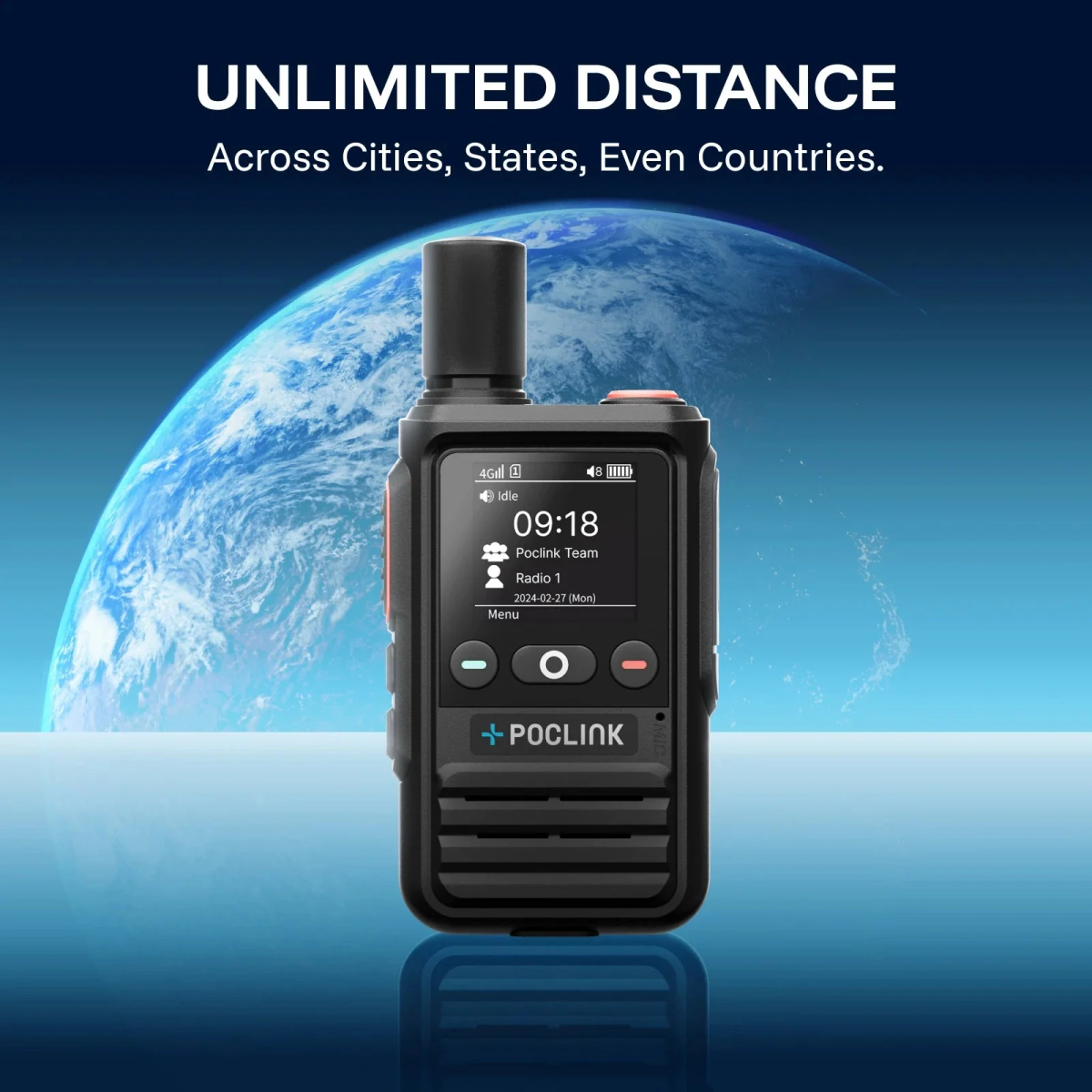
The entry-level Poclink push-to-talk radio: 4G mobile network only, three years of service included, sold as a two-pack for half the price of the Pro and Ultra.
Explore →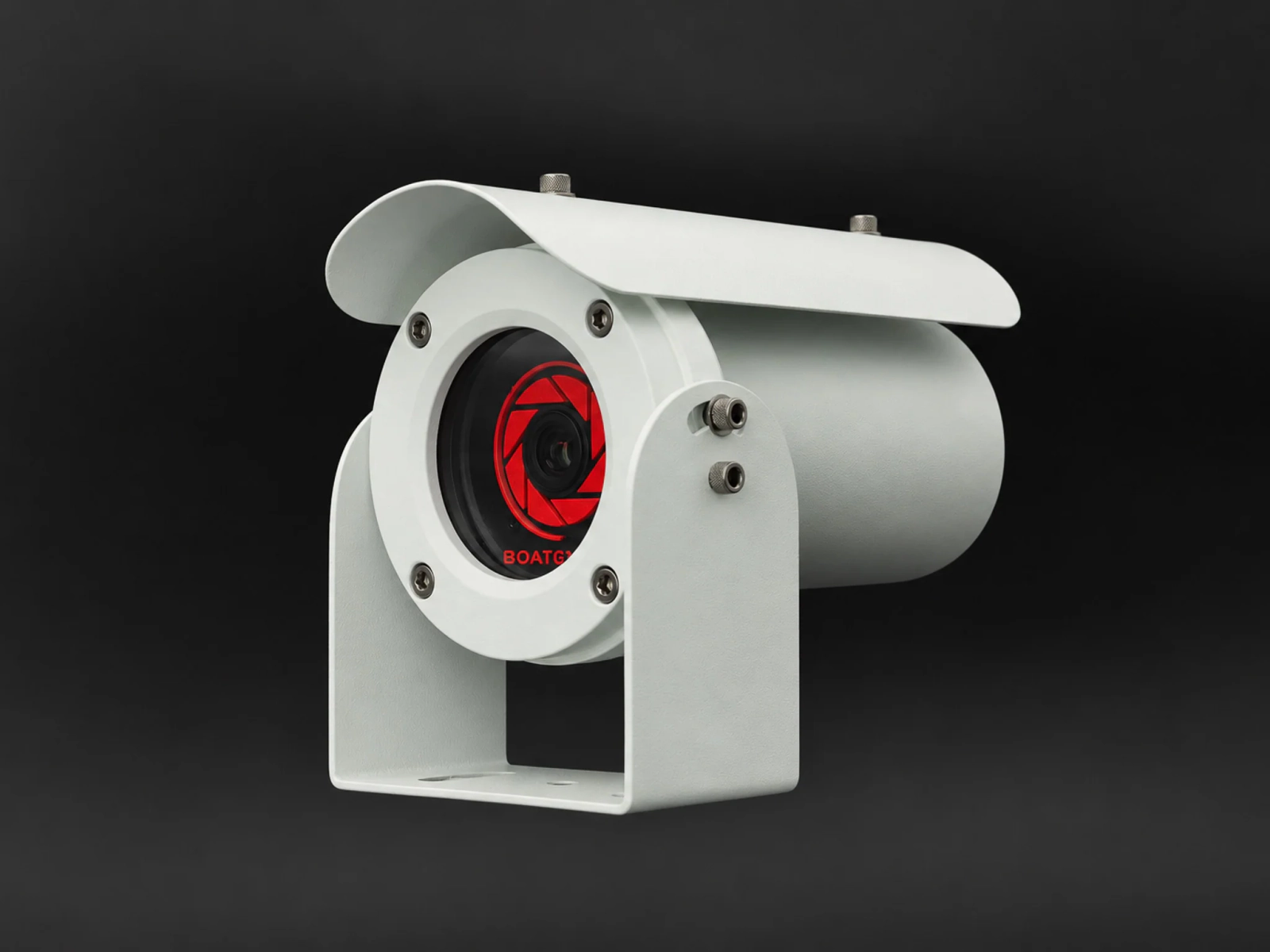
The original BoatEye360 full-colour low-light camera: the same 0.0001 lux sensor as the V2 in a larger 316L stainless housing, with HDMI and analog output, at a lower price.
Explore →
Push-to-talk radio that uses 4G mobile networks where there is coverage and a built-in 16-channel analog radio where there is none, with GPS and SOS. Sold as a two-pack.
Explore →
Metal-bodied 4G push-to-talk radio with GPS and SOS in the GPS variant and a lifetime SIM plan included. Sold as a two-pack.
Explore →