Loading this page…

Loading this page…
Sailing club
Dinah Beach Cruising Yacht Association (DBCYA) is a volunteer-run cruising yacht club on Frances Bay / Sadgroves Creek in Stuart Park, Darwin. The club combines an open-air licensed bar and bistro and regular live-music and community events with practical DIY and short-term maintenance facilities for keelboats and visiting cruisers, including careening poles, hard-stand sites, a floating pontoon (tide-dependent) and a basic workshop.
About
Dinah Beach Cruising Yacht Association (DBCYA) is a volunteer-run cruising yacht club on Frances Bay / Sadgroves Creek in Stuart Park, Darwin. The club combines an open-air licensed bar and bistro and regular live-music and community events with practical DIY and short-term maintenance facilities for keelboats and visiting cruisers, including careening poles, hard-stand sites, a floating pontoon (tide-dependent) and a basic workshop.
Service area: Frances Bay / Sadgroves Creek, inner Darwin Harbour (Stuart Park), Northern Territory
Keep exploring
Dinah Beach Cruising Yacht Association (DBCYA) is Darwin's favourite yachtie hangout, and it's refreshingly unpretentious. It sits on the edge of inner Darwin Harbour at 68 Frances Bay Drive, Stuart Park. The volunteer-run club is both a working yacht-service hub and a social venue for locals and visiting cruisers.
Facilities and social life. The club has an open-air licensed bar and Ton's Bistro, and hosts regular live-music nights, events and private functions. The atmosphere is relaxed and social, with practical support for cruising sailors built in.
Boating and maintenance. DBCYA provides DIY maintenance resources including careening poles, hardstand sites for haul-out, a floating pontoon for dinghy access, a basic workshop with donated tools, coin-operated laundry and showers. The club manages bookings and terms of use for maintenance sites, and it requires insurance and compliance with safety and environmental procedures where applicable.
Racing and community. The club runs yacht racing, including a Wet Season Race Series, and publishes a racing calendar and results. It also runs the Darwin to Banda Neira Yacht Race & Rally and other community sailing events.
Nearby services: see Frances Bay marinas, berths and moorings and our Darwin page.
The club organises yacht racing and publishes a racing calendar, including a Wet Season Race Series. Its flagship event is the Darwin to Banda Neira Yacht Race & Rally, a 510-nautical-mile international passage from the Top End to Indonesia's Banda Islands. The 2026 fleet of 14 yachts left Darwin on 1 August.
DBCYA isn't a learn-to-sail school, and it doesn't advertise formal instructor-led courses. Its training is the old-fashioned kind: crew on a race boat, help out in the yard, or sign on for the Banda Neira rally, which has a crew expression-of-interest list. For anyone dreaming of cruising Indonesia, getting to know the Dinah Beach crowd is one of the best starts you can make.
For formal courses, browse sailing courses on YouSail.
DBCYA sits on inner Darwin Harbour at Frances Bay, next to Tipperary Marina and Fishermans Wharf. The club's floating pontoon gives temporary, tide-dependent dinghy access, and the facilities support vessels berthed or living aboard in the inner harbour.
Tides are the big factor here. Darwin's large tidal range makes the careening poles and hardstand so useful, since a boat can dry out between tides for a scrub or a quick repair. The same range means dinghy trips need planning. Beyond the harbour, the Arafura and Timor seas lead north to Indonesia, a passage that the dry-season south-easterly trades make a comfortable reach.
For more on the region, see our Darwin page and the guide to tides, reefs and remote cruising safety for northern waters.
Dinah Beach's story starts long before the club. In Darwin's pearling days, luggers were careened on this beach, roughly where the club entrance is now. After the Second World War pearling declined, and a few determined yachties began dragging their boats ashore where the luggers had once been.
That informal yachtie community was formalised on 30 August 1982, when the Dinah Beach Cruising Yacht Association was established. The spirit of those early days lives on in the careening poles, the DIY hardstand and the open-door welcome to cruising sailors from around the world.
It also lives on in the club's traditions. The best known is the annual Viking Funeral: costumes, live music, and a life-size Viking vessel that's built and then burned in honour of fallen comrades. On the water, the Darwin to Banda Neira Yacht Race & Rally carries on the Top End's long link with Indonesia.
Batemans Bay and the Clyde River form a classic NSW South Coast cruising region where a sheltered, tidal estuary meets a short, island‑dotted entrance to the Tasman Sea. It’s distinctive for easy access from Canberra, a mix of river and bay sailing, a compact marina and mooring network, and a river entrance (the Clyde River bar) that can change rapidly. The area suits day sails, weekend cruising, trailer‑boat exploration and sheltered coastal passages; offshore or long‑passage plans require careful timing and local knowledge. Preparation for tidal flow, variable southerly swells and shallow, s

Progress gradually by increasing exposure, practising specific skills, sailing with more experienced crew/skippers, and deliberately training for each new step—start in calm sheltered bays, then move to longer trips, busier waters, stronger winds and finally open coastal passages when you and your crew are consistently competent and comfortable.
Explore →
Use ramps and beaches with respect for local conditions: check ramp layout, tide and swell, wind direction, vehicle access and crowding; prepare boat and crew before you launch or retrieve; and follow local signage, courtesy and safety practices. Specifics vary by ramp and beach, so confirm details for the exact site before you go.
Explore →
Look for a friendly club with beginner-focused training, accessible facilities and boats, a supportive community, clear safety practices, and opportunities to progress at your own pace.
Explore →
Late spring to summer is usually the best time for beginners to start learning to sail in Tasmania because the weather is generally warmer, days are longer and conditions are often more settled. Expect lighter to moderate winds with regular afternoon sea breees in summer, while spring and autumn bring more changeable and sometimes stronger conditions; winter is colder, wetter and typically windier with more fronts and swell.
Explore →
Practical guidance for recreational sailors in Australia on assessing swell, tide and wind, choosing the safest time to cross a coastal bar, preparing crew and gear, and making the decision to go or turn back.
Explore →
A practical guide for new sailors on picking the right Australian sailing club: training, boat access, racing, social fit, costs and the key questions to ask before joining.
Explore →A practical guide for recreational sailors planning visits to Albany and King George Sound. Covers the main anchorage areas, typical local weather patterns, tidal and current considerations, navigational hazards, on-the-water etiquette and a pre-departure checklist to help you plan a safe passage and enjoyable stopover
Explore →Practical guidance for recreational sailors planning coastal and remote cruising in Western Australia, focusing on tidal planning, reef awareness, navigation and safety preparation tailored to local conditions.
Explore →Burke Yachtsman Gear Bag 40L - Shop Now Zip Pay | Tamar Marine Skip to content 59 – 63 Holbrook Street, Invermay Online Shop Open 24/7 Products search Contact us 1300 MARINE $ 0.00 0 Cart Burke Yachtsman Gear Bag 40L $ 79.90 Colour Choose an option Black Blue Black Blue Clear - Burke Yachtsman Gear Bag 40L quantity + Add to cart Enquire about this product SKU BAGB-Y24/BLACK* Category Bags - Sail & Gear A Burke classic and customer favourite, the Yachtsman’s Gear Bag is built tough to handle wet, salty conditions while keeping your gear dry and protected. Made from double coated waterproof…
Explore →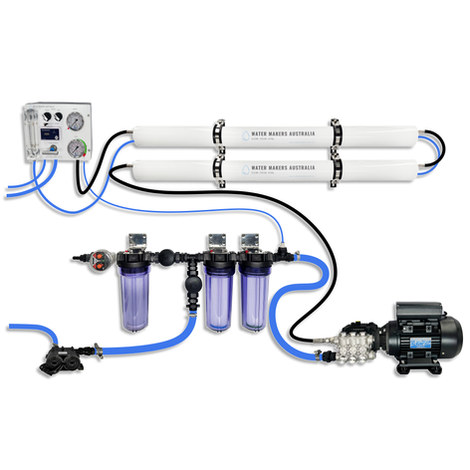
A two-membrane modular watermaker with 140 L/h nominal output, aimed at families and liveaboards that want more water per run.
Explore →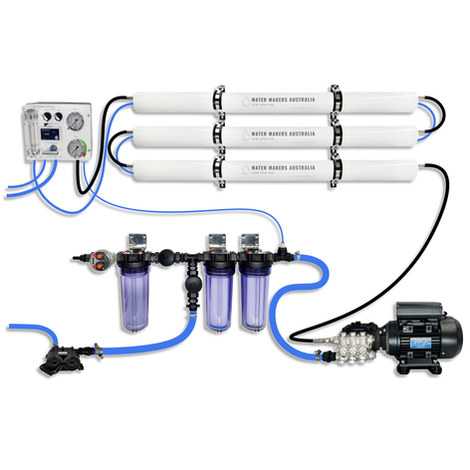
A three-membrane modular watermaker with 200 L/h nominal output and up to 240 L/h family-level marketing, for larger crews and heavy use.
Explore →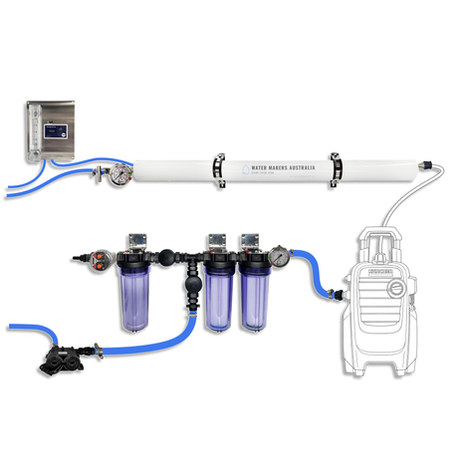
A one-membrane modular marine watermaker with 80 L/h nominal output, remote stainless control panel, standard consumables and direct Australian support.
Explore →