Loading this page…

Loading this page…
Sailing club
Lake Bonney Yacht Club is a friendly freshwater sailing club on the shores of Lake Bonney at Barmera in South Australia's Riverland. It offers Experience Sailing for newcomers, club racing, a large rigging lawn with direct water access and a boat ramp, and a clubhouse with a bar, balcony and commercial kitchen that is popular for functions.
About
Lake Bonney Yacht Club is a friendly freshwater sailing club on the shores of Lake Bonney at Barmera in South Australia's Riverland. It offers Experience Sailing for newcomers, club racing, a large rigging lawn with direct water access and a boat ramp, and a clubhouse with a bar, balcony and commercial kitchen that is popular for functions.
Service area: Barmera, South Australia
Keep exploring
Lake Bonney Yacht Club (LBYC) is at 1 Dean Drive, Barmera, on the shores of Lake Bonney in the Riverland, about three hours north-east of Adelaide. It's the Riverland's local yacht club, with members from towns across the region sailing on the lake every week. The club describes itself as a great, friendly club offering excellent facilities in a safe and welcoming environment, with sailing for people of all ages and levels.
Facilities include a large grass rigging area, direct water access, a boat ramp, a canteen and bar on race days, a large balcony overlooking the lake, and toilets and shower rooms. The clubhouse, with its commercial kitchen and lake views, can be hired for weddings, birthdays and other functions.
Easter is the big weekend. Each year a sailing regatta is held on Lake Bonney, bringing visiting sailors to Barmera for racing and holiday fun by the water. Newcomers can try sailing any time through the club's Experience Sailing program, and race results are published online through SailRes. See our Barmera sailing clubs page for more.
The club's Experience Sailing program is designed for people who want to give sailing a try, with members on hand to help newcomers get out on the water. Once you have the basics, club racing lets you put your skills to the test, with results published online.
Freshwater lake sailing is a great place to learn: there are no tides to worry about, and the club's direct water access and rigging lawn make launching simple. The Riverland's warm, dry climate also means plenty of sailing days. If you're new to sailing, our beginner's guide to sailing in Australia and sailing safety for beginners are good reads before your first session.
The club sits at 1 Dean Drive on the shores of Lake Bonney at Barmera, in South Australia's Riverland near the River Murray. Lake Bonney is a large freshwater lake that offers open, tide-free sailing for all ages and levels.
On shore there's a large grass rigging area, direct access to the water and a boat ramp. The clubhouse has upstairs and downstairs toilets, shower and change rooms, a canteen and bar on race days, and a large balcony with views across the lake. It can also be hired for functions.
The lake has sandy beaches and a jetty, and it's popular for swimming, fishing and paddling as well as sailing. Like any open inland lake, it can get choppy when the wind gets up, as Donald Campbell found out in 1964 (see the club's history below).
Lake Bonney Yacht Club has long been the home of sailing in Barmera, bringing Riverland families together on one of the region's best-loved lakes. Its lakeside clubhouse, rigging lawn and ramp have been developed to make sailing accessible for all ages, and the clubrooms have become a popular venue for community celebrations as well as sailing.
The lake itself has a colourful history. It was named after Charles Bonney, who reached it with Joseph Hawdon in 1838 while droving cattle along the Murray. In October 1964, British speed king Donald Campbell brought his jet hydroplane Bluebird K7 to Barmera to attack the world water speed record on Lake Bonney. On 23 November 1964 he set an Australian record of 216 mph (347 km/h), but the wind and chop never allowed a world record. He succeeded weeks later at Lake Dumbleyung in Western Australia. Sailors on Lake Bonney will recognise the problem: the breeze here is rarely shy.

Legal safety equipment for recreational boats in South Australia depends on the type, size and where you operate; you must check the current SA government requirements for your vessel. Independently of legal minimums, carry a sensible set of recommended items (lifejackets, means of communication, signaling, fire protection, anchor and basic tools) and make them usable and maintained.
Explore →
Do a seasonal inspection and servicing routine that focuses on hull and antifouling, through-hulls and seacocks, rigging and sails, engine and fuel systems, electricals and batteries, safety gear and bilge systems. Tailor exact tasks to your boat type, age and where you sail in South Australia, and follow manufacturer and marine service advice for anything technical.
Explore →
Tidal streams and local wind patterns can change trip time, fuel use, helm balance and safety margins on short coastal runs — plan your departure and route to use favourable tidal flow, allow margin for wind-driven sea and gusts, and check up-to-date local tide and weather information before you go.
Explore →
A good float plan and a well-stocked emergency kit significantly improve your chances of a safe outcome when cruising remote parts of South Australia’s coastline. The float plan should give someone ashore all the information they need to find you and raise help if you don’t return; the emergency kit should allow you to stabilise the boat, care for injuries, signal for rescue and survive until help arrives.
Explore →
A practical guide for new sailors on picking the right Australian sailing club: training, boat access, racing, social fit, costs and the key questions to ask before joining.
Explore →A concise, practical introduction to the essential parts of a recreational sailing boat for beginners in Australia. Covers hull, deck, rigging, sails, steering, below-decks spaces and safety equipment, with simple explanations, common mistakes and a pre-sail checklist to help new sailors communicate and get underway.
Explore →
A practical, Australia‑focused introduction to sailing: key terms, common boat types, basic manoeuvres, where to learn, licence and club options, and planning your first trips with safety and local conditions in mind.
Explore →A practical guide to the coastal weather systems that affect sailing along Western Australia's coast, focusing on the Fremantle Doctor, local sea breezes, and linked coastal phenomena. Explains how these systems form, when they tend to occur, how they influence boat handling and passage planning, common mistakes, and a
Explore →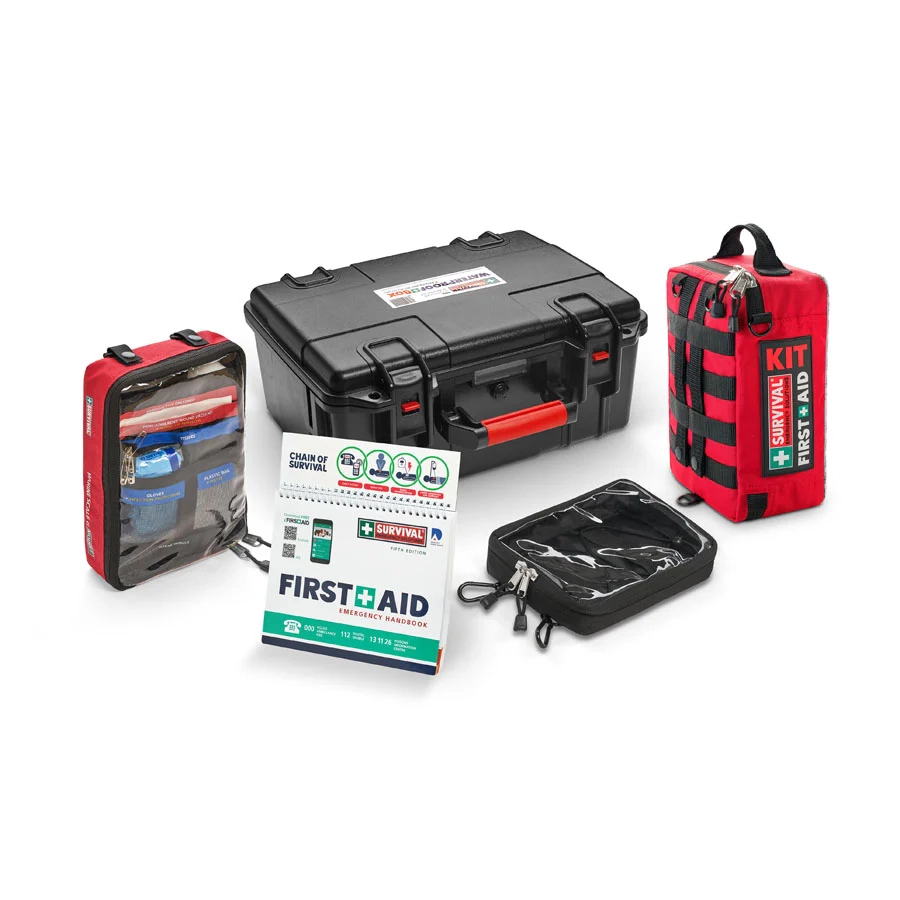
A 142-item marine first aid kit built around the Australian Scale G requirement, with a workplace kit, a Scale G module and a handbook packed in a large waterproof box.
Explore →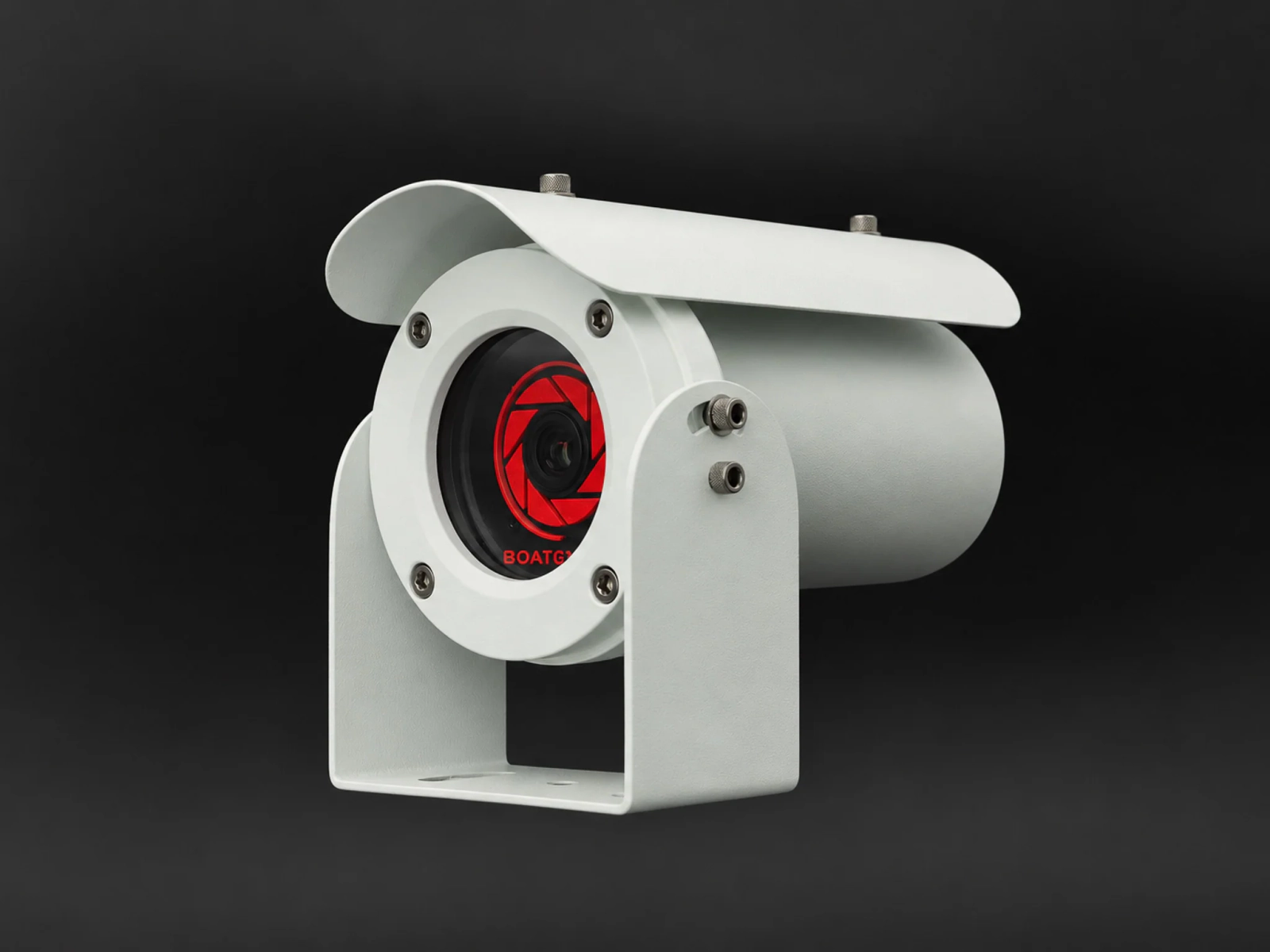
The original BoatEye360 full-colour low-light camera: the same 0.0001 lux sensor as the V2 in a larger 316L stainless housing, with HDMI and analog output, at a lower price.
Explore →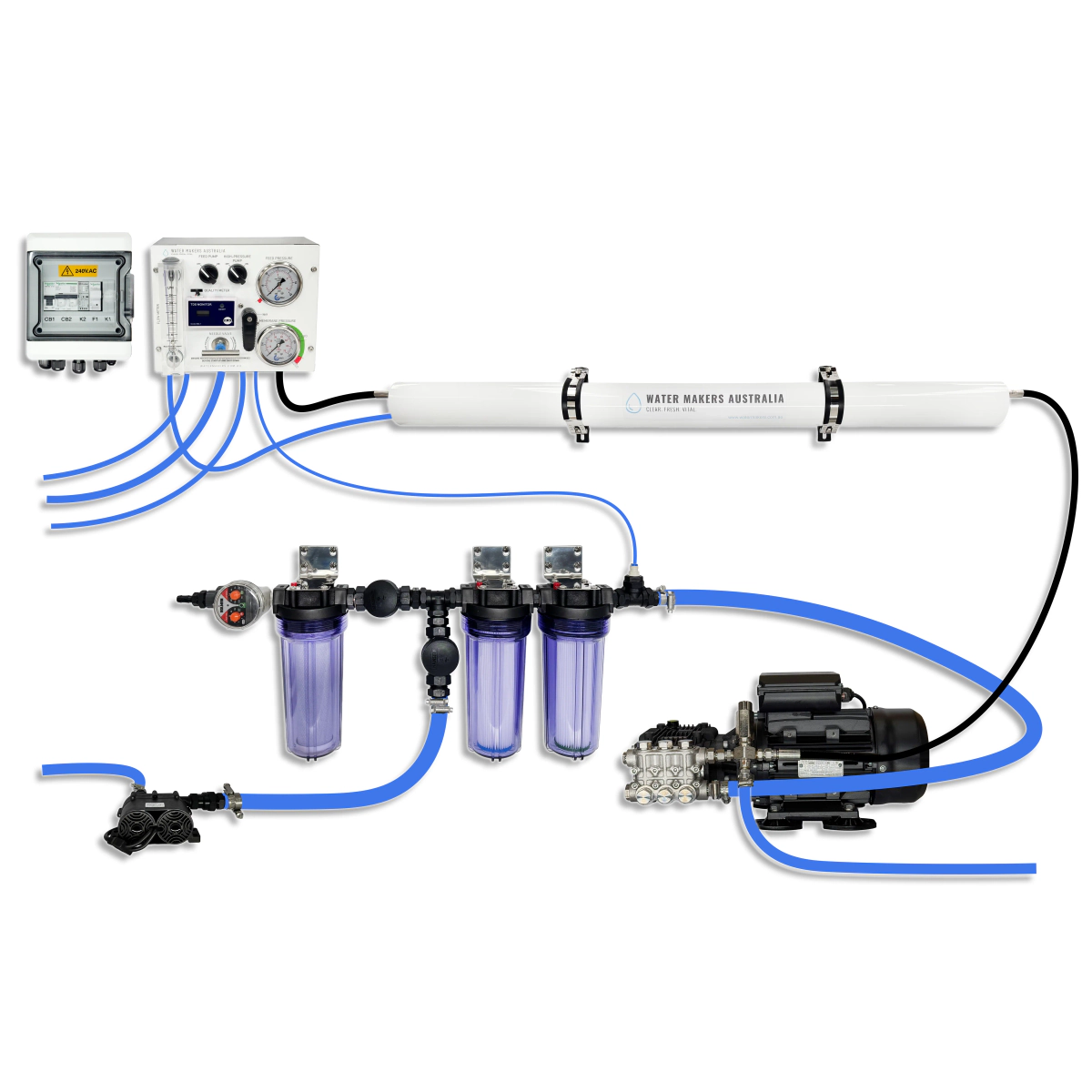
Single-membrane 240 V reverse-osmosis watermaker producing a nominal 80 L/h, built to order in Sydney for cruising boats of about 10 to 15 m with a generator or inverter.
Explore →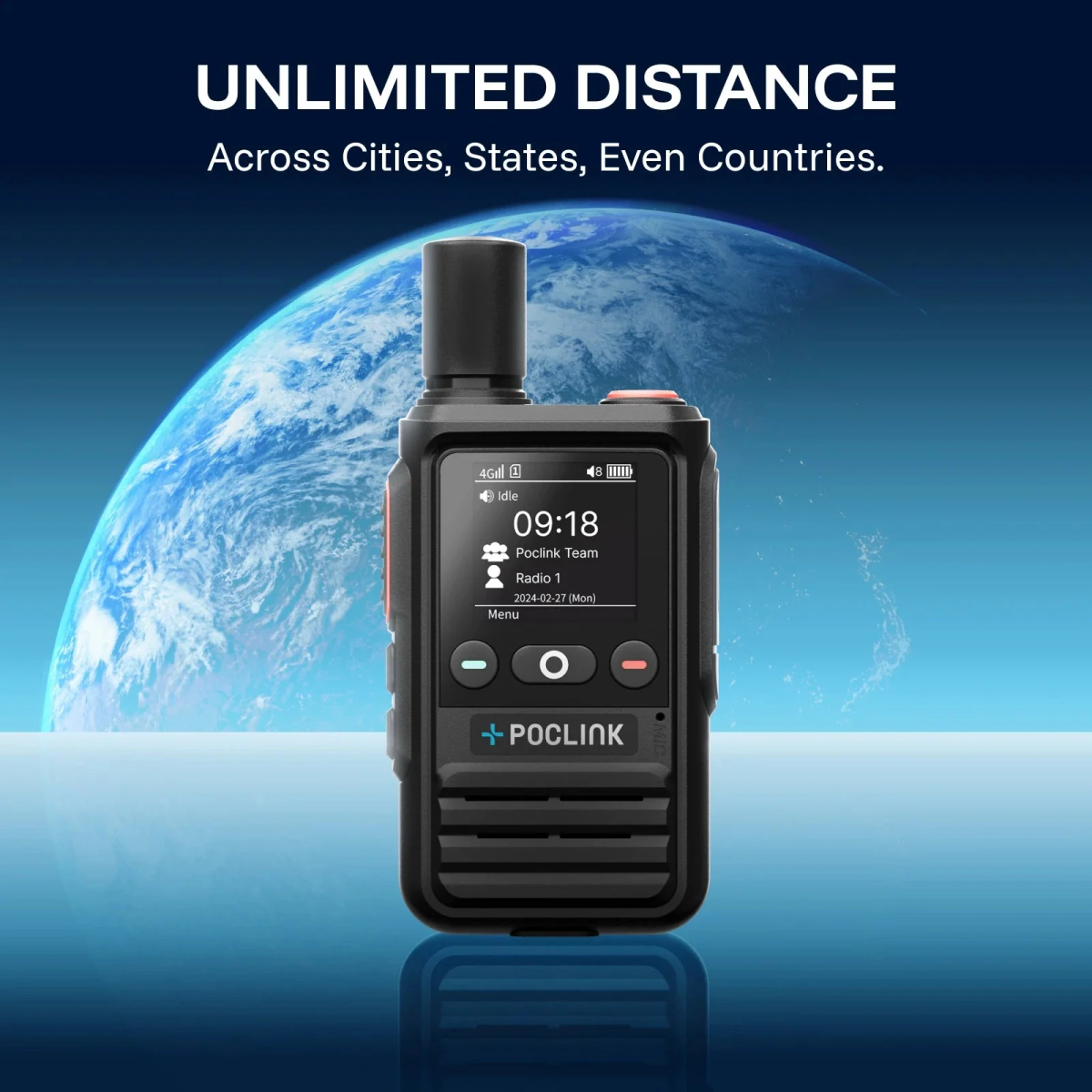
The entry-level Poclink push-to-talk radio: 4G mobile network only, three years of service included, sold as a two-pack for half the price of the Pro and Ultra.
Explore →