Loading this page…

Loading this page…
Sailing club
Lake Cargelligo Sail & Power Boat Club is a friendly family club on Lake Cargelligo in central western NSW — the largest natural inland lake system in the state. It runs sailing and water sports events through the year, has a lakeside clubhouse available for hire, and makes the most of the lake's pontoon for launching.
About
Lake Cargelligo Sail & Power Boat Club is a friendly family club on Lake Cargelligo in central western NSW — the largest natural inland lake system in the state. It runs sailing and water sports events through the year, has a lakeside clubhouse available for hire, and makes the most of the lake's pontoon for launching.
Service area: Lake Cargelligo / Lachlan Shire, Central West NSW
Keep exploring
Lake Cargelligo Sail & Power Boat Club is a friendly family community of people who love water sports, based on the foreshore at Lake Cargelligo in the Lachlan Shire of central western New South Wales. The club holds a number of water sports events through the year, including sailing, and the lake's pontoon makes getting on the water easy.
The lake is a genuine inland surprise: the largest natural inland lake system in New South Wales, with room for sailing, water skiing, wakeboarding, kayaking and fishing all at once. On busy summer weekends up to 50 boats can be out on the water, and the club's clubhouse on Lake Road is at the heart of it.
The clubhouse is managed by a committee and can be hired for functions of 50 to 99 people, with tables and chairs available. For bookings and enquiries, contact Eryn McFadyen on 0427 759 316 or erynward@bigpond.com, or follow the club on Facebook. See our Lake Cargelligo sailing clubs page for more.
The Sail & Power Boat Club is a community club rather than a formal sailing school, and its water sports events through the year are the best way to get involved. Members are welcoming to newcomers, and freshwater lake sailing, with no tides and plenty of room, is a great way to learn. Check the club's Facebook page for upcoming events, and read our sailing safety for beginners guide before your first outing.
Because the lake is shared by sailors, water skiers and anglers, good habits matter: keep a lookout, know the give-way rules, and wear a lifejacket. Before joining a club event, our FAQ on what beginners should learn first is a good place to start, and our guide on choosing a sailing club explains what to ask.
The club is on the shores of Lake Cargelligo, in the town of the same name in the Lachlan Shire. The lake is the largest natural inland lake system in New South Wales, with a surface area of 1,440 hectares, a volume of 36,000 megalitres and an average depth of 3.7 metres. A pontoon makes it ideal for water sports, and the lake is also popular for water skiing, fishing, canoeing, swimming and camping.
The name comes from the Wiradjuri word "Cudjallagong", meaning large lake or water container. Because the lake is shallow, the wind can whip up a short chop quickly, while calm mornings are perfect for beginners. Anglers share the water too, chasing Murray cod, silver perch and redfin, so it's a busy, friendly place on summer weekends.
Sailing has a long history on Lake Cargelligo. Local records note that the Lake Cargelligo Sailing Club was formed after a public meeting on 17 December 1951. Today the club continues as the Lake Cargelligo Sail & Power Boat Club, welcoming both sailors and power boaters and hosting water sports events through the year.
The lake itself has a much longer story. Explorers John Oxley and George Evans followed the Lachlan River down to it in 1817, and Oxley named it Regent's Lake after the Prince Regent. The Wiradjuri name, Cudjallagong, stuck, and the town and lake became Lake Cargelligo. For more than 70 years the club has kept sailing on the lake alive, as a community hub for the town's water sports.

Usually not for a small sailing dinghy. In NSW a boat driving licence is needed only to drive at 10 knots or more, or to drive a personal watercraft, and a vessel must be registered if it has an engine of 4 kW or more, is 5.5 m or longer, or needs a mooring licence or marina berth. A trailer towed on public roads needs its own registration.
Explore →
Legal requirements can change — check Transport for NSW for the current rules. As a practical baseline for coastal day sailing from NSW shores: keep the right number and type of lifejackets for everyone, have a means of calling for help, show navigation lights if you’ll be out after dusk, and carry basic items to manage a man‑overboard or abandon‑ship situation. Add anchor, bilge/bailer, sun/protection and basic repair kit as recommended items.
Explore →
Before the season: confirm seaworthiness — hull, rig, engine, electrics, sails and safety gear — and replace or service wearable items. After the season: wash, dry and protect gear, service consumables and record what you did so the boat’s ready and reliable next season.
Explore →
Expect the usual IALA-B lateral system (red and green), cardinal and isolated-danger marks, safe-water and special marks, plus harbour-specific fairway buoys, leading/transit marks and exclusion or speed‑limit buoys. Check local harbour charts and Notices to Mariners for exact positions and light characteristics before entry.
Explore →
A practical guide for new sailors on picking the right Australian sailing club: training, boat access, racing, social fit, costs and the key questions to ask before joining.
Explore →A practical guide to the coastal weather systems that affect sailing along Western Australia's coast, focusing on the Fremantle Doctor, local sea breezes, and linked coastal phenomena. Explains how these systems form, when they tend to occur, how they influence boat handling and passage planning, common mistakes, and a
Explore →A concise, practical introduction to the essential parts of a recreational sailing boat for beginners in Australia. Covers hull, deck, rigging, sails, steering, below-decks spaces and safety equipment, with simple explanations, common mistakes and a pre-sail checklist to help new sailors communicate and get underway.
Explore →
A concise, practical guide to the points of sail and how to trim sails effectively for common Australian conditions. Learn the basics of wind angles, sail shape, telltales, reefing considerations and simple steps to improve boat speed and balance.
Explore →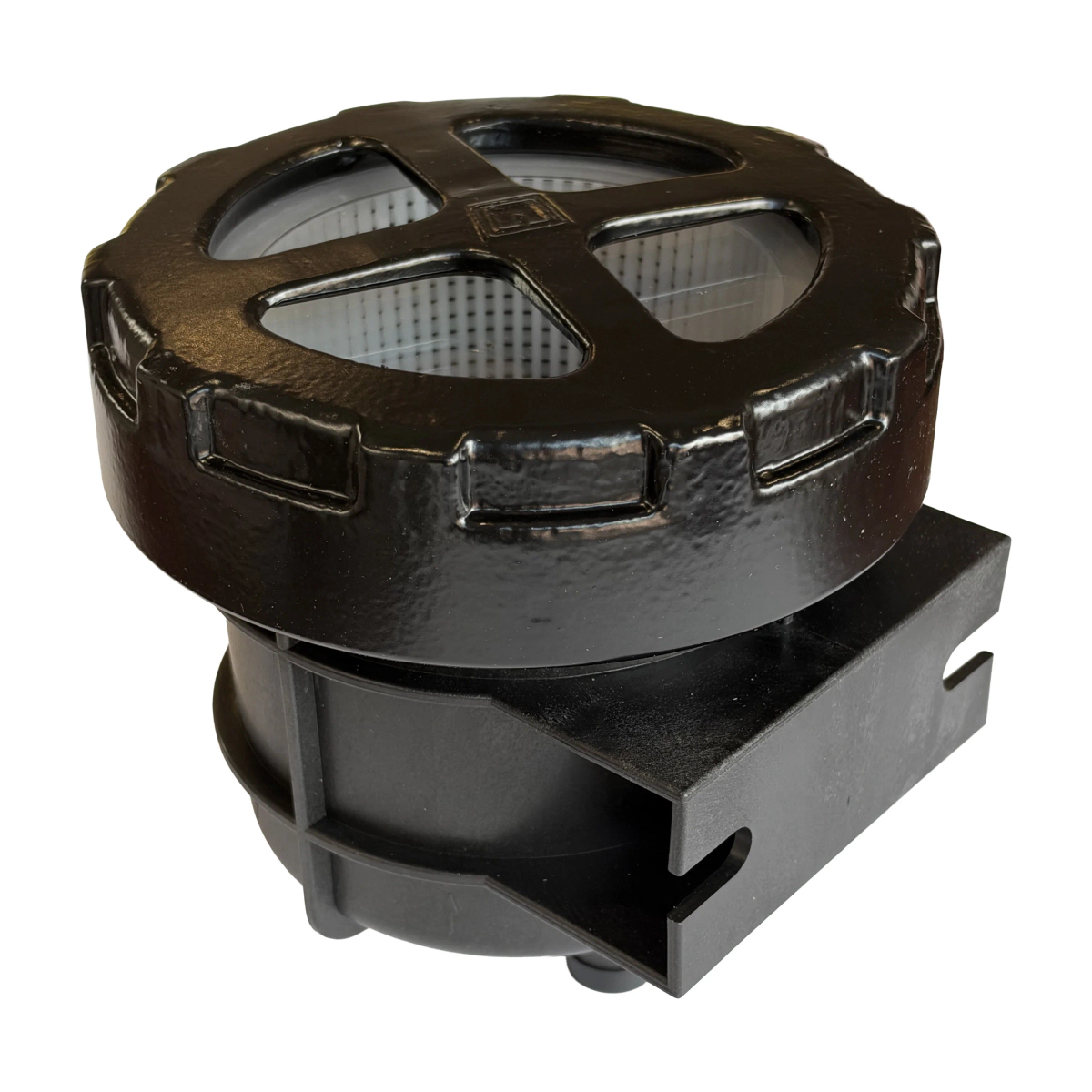
Seawater intake strainer with a clear inspection window, sold in 19 mm and 25 mm hose sizes. It catches weed and larger debris before the water reaches a watermaker feed pump.
Explore →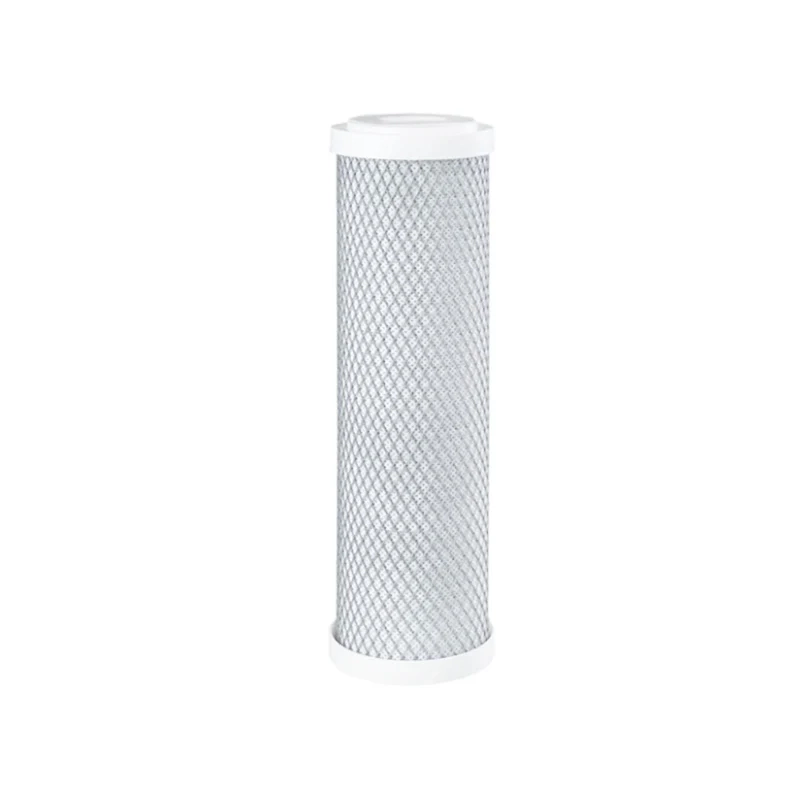
Standard 10 x 2.5 inch activated coconut carbon block cartridge, 5 micron nominal. It sits in the freshwater flush line and helps remove chlorine before the flush water reaches the membrane.
Explore →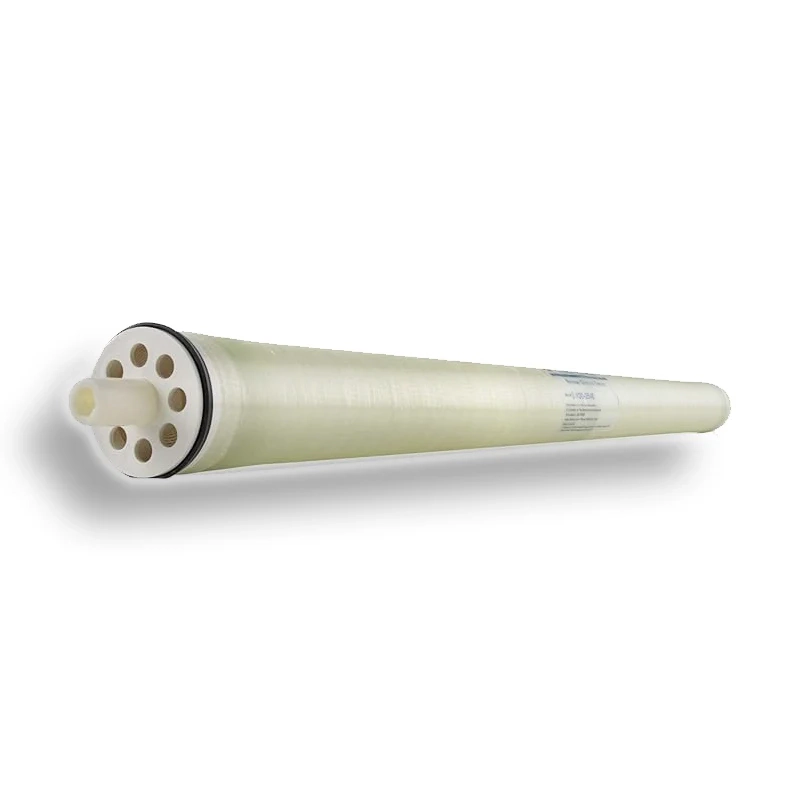
Spare 2.5 x 40 inch seawater reverse-osmosis membrane, the element used in every Water Makers Australia system and a common size across many other watermakers.
Explore →
Push-to-talk radio that uses 4G mobile networks where there is coverage and a built-in 16-channel analog radio where there is none, with GPS and SOS. Sold as a two-pack.
Explore →