Loading this page…

Loading this page…
Sailing club
Port Adelaide Sailing Club was founded in 1897 and has supported both cruising and racing sailors on the Port River for well over a century. From its clubhouse at Marina Adelaide in Largs North, it runs keelboat racing including a winter series, a dedicated cruising program, Sailability and a lively social calendar.
About
Port Adelaide Sailing Club was founded in 1897 and has supported both cruising and racing sailors on the Port River for well over a century. From its clubhouse at Marina Adelaide in Largs North, it runs keelboat racing including a winter series, a dedicated cruising program, Sailability and a lively social calendar.
Service area: Largs North, SA
Keep exploring
Port Adelaide Sailing Club (PASC) is based at 43 George Robertson Drive, Largs North, in the Marina Adelaide precinct on the Port River — about 20 minutes from Adelaide's city centre, between the Birkenhead Bridge and the boatbuilding sheds. Founded in 1897, it has a long tradition of supporting both cruising and racing members.
The club runs keelboat racing through the year, including a winter calendar with events such as the Cartwright Cup (from late June) and the Port Line Cup (August), a dedicated cruising program, a Sailability program with its own state championship, and official and social events for members. See other clubs nearby on our Largs North sailing clubs page.
PASC is a keelboat club, and much of the learning happens on the water with experienced crews. The racing program runs through the year, including a winter series with events such as the Cartwright Cup and the Port Line Cup, and skippers are often looking for keen crew. The cruising program is a great way for newer members to learn passage-making and anchoring in company.
The club's Sailability program offers accessible sailing for people with disability, and it even has its own state championship. For anyone thinking about joining a keelboat club for the first time, our guide to choosing a sailing club explains what to look for.
The clubhouse is at 43 George Robertson Drive in Largs North, in the marina precinct at Snowdens Beach on the Port River. The river gives the club sheltered water for racing and a direct route out to Gulf St Vincent for cruising and longer passages.
The precinct is home to several clubs, including neighbouring Port River Sailing Club, and the Cruising Yacht Club of South Australia is nearby at North Haven. For more about sailing around the city, see our Adelaide destination guide.
Port Adelaide Sailing Club was founded in 1897, when the harbour at Port Adelaide was busy with shipping and dockside trade. For more than a century it has been a home for sailors on the Port River, supporting both cruising and racing interests.
The club's history is recorded in its own archives, including accounts of the Largs North maritime precinct, the yachts that have sailed under the PASC burgee, and its long-running newsletter, River Ramblings.
Its roots are in working-class Port Adelaide. For most of its first century the club sailed from the inner Port River at Birkenhead, among the naval yard, customs house, docks, slipways and boatyards that lined the river's southern shore. In 2007, after 110 years in the inner harbour, the club moved downriver to a brand-new marina at Snowden's Beach, Largs North, giving members modern berths and quicker access to the gulf. Its first 110 years are recorded in John Couper-Smartt's history, A Sailing-boat Club at Port Adelaide: 1897 to 2007.

Expect light to moderate, thermally-driven sea breezes in summer with afternoon strengthening; more changeable and often stronger winds with frontal systems in autumn and spring; and the windiest, roughest conditions in winter when cold fronts and sou’westers are most frequent. Gulf St Vincent is more sheltered than the exposed coast but can still produce steep chop and sudden changes near Adelaide and headlands.
Explore →
Plan passages across Spencer Gulf or to Kangaroo Island by basing fuel on your boat’s actual consumption plus a generous reserve, choosing sensible staging/stop options that match your boat and crew, and prioritising shelter and weather windows (gale fronts, strong winds and tidal streams can make the gulf uncomfortable or unsafe). Confirm fuel availability, safe anchorages or marinas on your route, and check up-to-date local weather, tide and navigation information before you go.
Explore →
Watch for shallow entrance bars, shifting sandbanks and channels, tidal streams that accelerate through narrow channels or around headlands, drying mudflats and sills that expose at low water, and localised eddies or overfalls — and always confirm conditions for the specific estuary before you enter.
Explore →
A good float plan and a well-stocked emergency kit significantly improve your chances of a safe outcome when cruising remote parts of South Australia’s coastline. The float plan should give someone ashore all the information they need to find you and raise help if you don’t return; the emergency kit should allow you to stabilise the boat, care for injuries, signal for rescue and survive until help arrives.
Explore →
A practical guide for new sailors on picking the right Australian sailing club: training, boat access, racing, social fit, costs and the key questions to ask before joining.
Explore →Practical guide for recreational sailors navigating the Swan River and coastal waters around Perth. Covers local weather patterns, tides and currents, river navigation, launching and berthing options, safety equipment, common hazards, and step-by-step pre-departure and on-water checklists tailored to Western Australian
Explore →Practical guide for recreational sailors planning passage on the Hawkesbury River: how to plan around tides, choose anchorages, read local conditions and prepare the boat and crew for a safe, comfortable trip.
Explore →A practical guide for recreational sailors planning voyages to Esperance and the Recherche Archipelago: what to expect, key planning considerations, common anchorages, safety and communications, equipment recommendations and sensible steps for a successful trip in this remote southern WA cruising area.
Explore →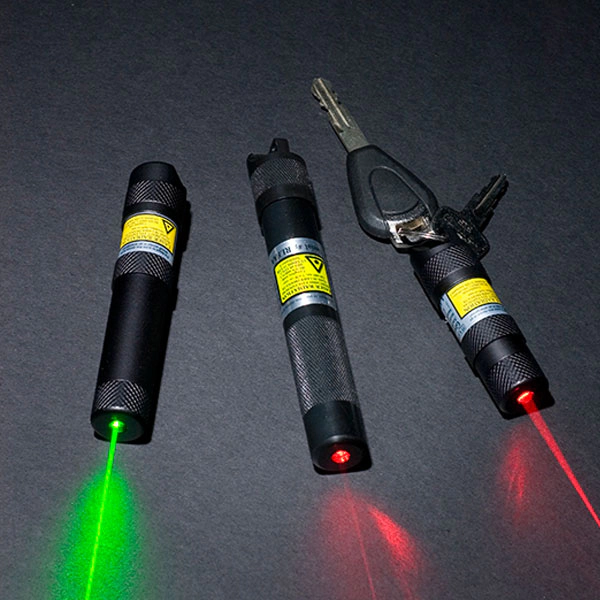
Hand-held, non-flammable laser signalling devices for day and night use, in red, green and Magnum versions, waterproof to 24 m and running for 5 to 72 hours on a battery.
Explore →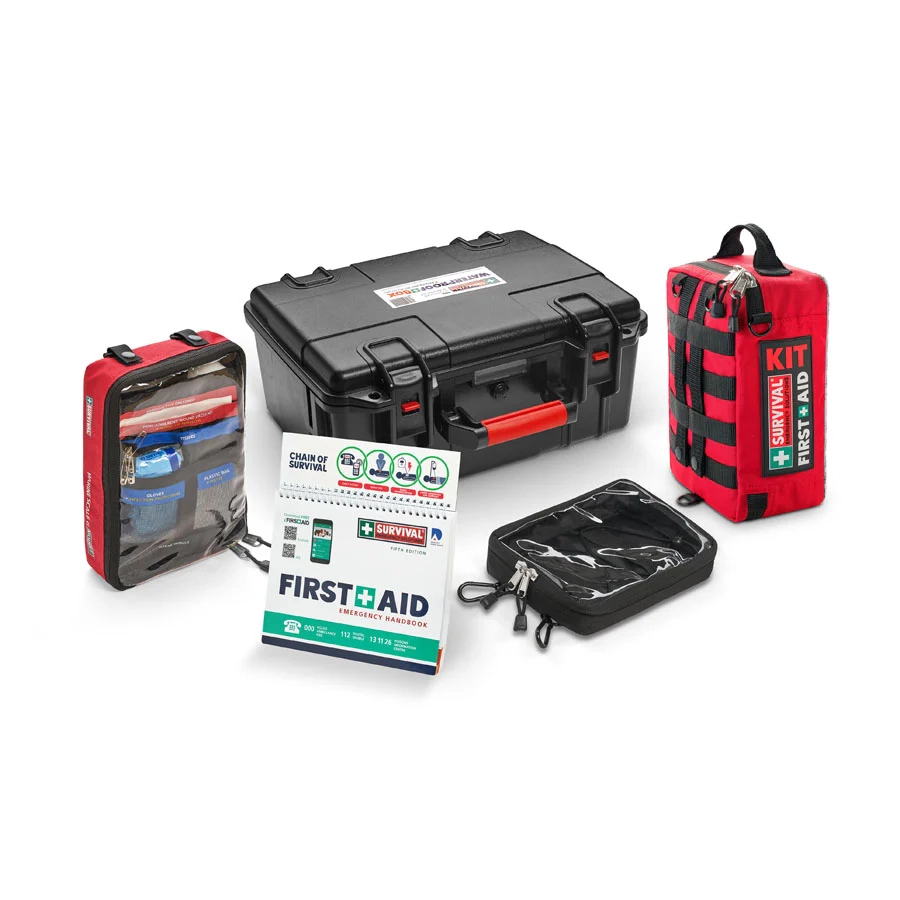
A 142-item marine first aid kit built around the Australian Scale G requirement, with a workplace kit, a Scale G module and a handbook packed in a large waterproof box.
Explore →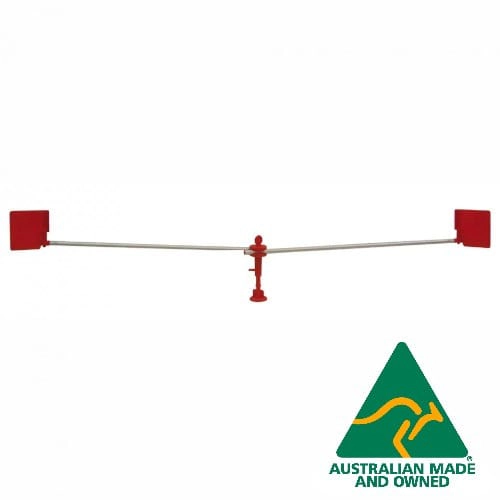
Wind-driven bird repeller with 2 metre rotating arms that keeps birds from roosting on hardtops, biminis, booms and decks. UV stabilised, with a bayonet base and a 12 month warranty.
Explore →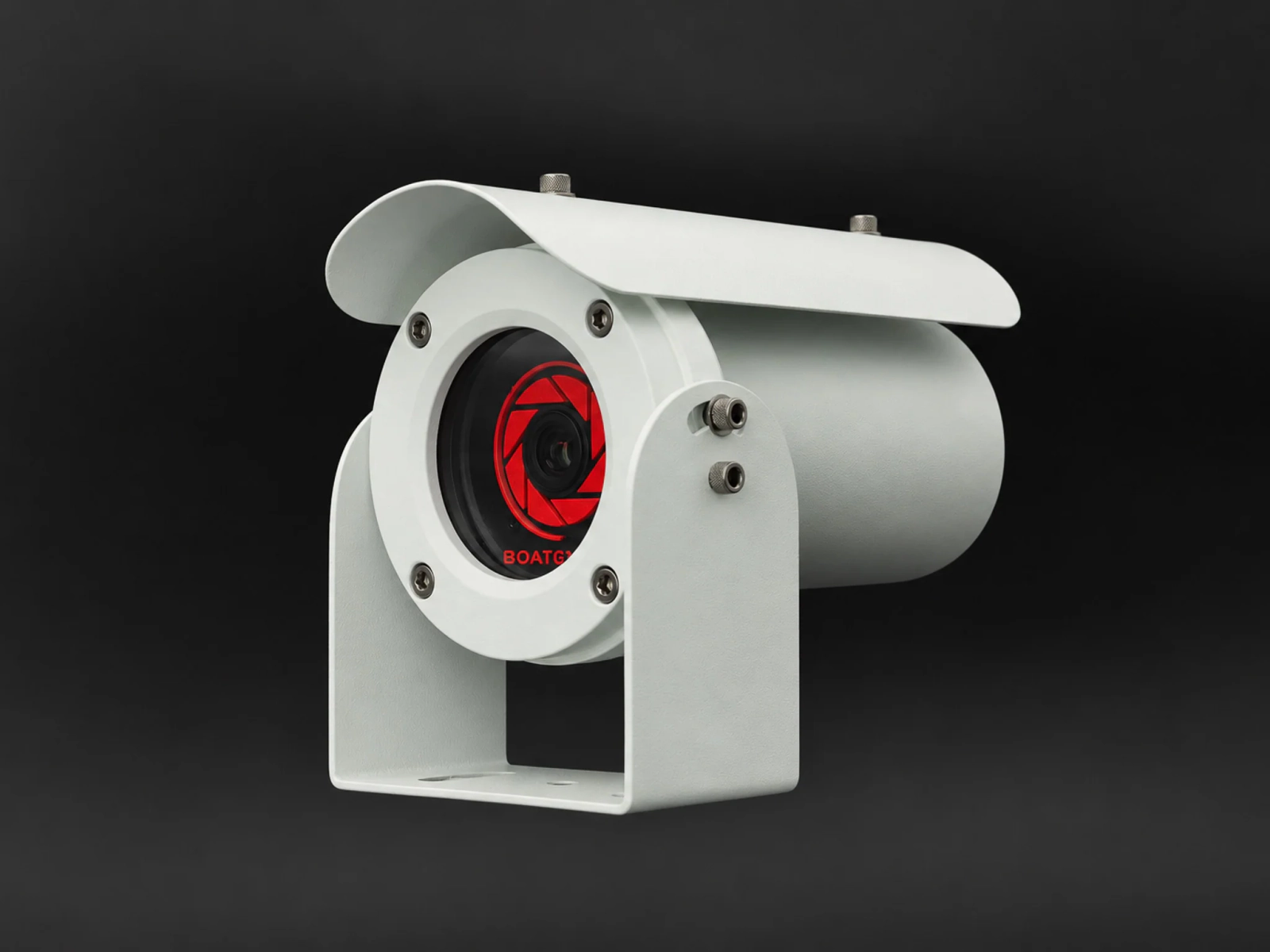
The original BoatEye360 full-colour low-light camera: the same 0.0001 lux sensor as the V2 in a larger 316L stainless housing, with HDMI and analog output, at a lower price.
Explore →