Loading this page…

Loading this page…
Sailing club
Port River Sailing Club is a family-oriented dinghy club at Snowden Beach on the Port River in Largs North, sailing since the early 1960s. It races off-the-beach classes such as Herons, Sabres, Impulses, Optimists and Pacers on sheltered water, runs sail training for all levels and the Iceberg Winter Series, and offers boat storage and clubroom hire.
About
Port River Sailing Club is a family-oriented dinghy club at Snowden Beach on the Port River in Largs North, sailing since the early 1960s. It races off-the-beach classes such as Herons, Sabres, Impulses, Optimists and Pacers on sheltered water, runs sail training for all levels and the Iceberg Winter Series, and offers boat storage and clubroom hire.
Service area: Snowden Beach / Port River, Port Adelaide (Largs North), South Australia
Keep exploring
Port River Sailing Club (PRSC) is based at 45 George Robertson Drive, Largs North, with its clubrooms at Snowden Beach on the Port River. It is a family-oriented club for off-the-beach dinghies, with fleets of Herons, Sabres, Impulses, Optimists (for sailors up to 15) and Pacers, and a particularly strong Sabre fleet.
The club runs sail training for different experience levels, competitive racing through the season and the Iceberg Winter Series, and it is hosting the 61st Heron State Titles in the 2025–26 season. Boat storage and clubroom hire are available. Contact the club on (08) 8449 1818 or at portriversc@y7mail.com. See our Largs North sailing clubs page for more.
PRSC runs sail training for sailors of different experience levels, from complete beginners to those looking to sharpen their racing. Young sailors start in Optimists, which the club sails with juniors up to age 15, and two-person Herons and Pacers are great boats for families and friends learning together. Single-handers can move into the Sabre or the Impulse, a lively single-handed skiff.
The sheltered water of the Port River makes it a safe place to learn, and the season's racing — plus the Iceberg Winter Series for those who keep sailing in the cooler months — gives plenty of chances to practise. If you are choosing between clubs, our guide to choosing a sailing club can help.
The clubrooms are at Snowden Beach, 45 George Robertson Drive, Largs North, on the Port River near Port Adelaide. The river offers sheltered water that is safe for beginners yet still challenging for experienced sailors, with good viewing for spectators from the shore.
The club shares the Largs North marina precinct with Port Adelaide Sailing Club, and Largs Bay Sailing Club is a short drive away on the Gulf St Vincent beachfront. Boat storage is available for members, and the clubrooms can be hired for functions.
The river is part of the Adelaide Dolphin Sanctuary, so resident bottlenose dolphins are often seen near the racecourse, a highlight for young sailors.
Port River Sailing Club has a history going back to the early 1960s — the club celebrated 50 years of sailing covering 1963 to 2013. Over the decades it has built a reputation as a welcoming family club and a stronghold for classes such as the Heron and Sabre, and in the 2025–26 season it hosts the 61st Heron State Titles.
The club was born out of a disagreement. When it was proposed that Port Adelaide club racing move out to the open gulf waters off Semaphore, a group of dinghy sailors who loved the river broke away in 1963 and kept sailing on the Port River. Their aim was to keep sailing affordable and open to everyone, and the club still keeps its fees among the lowest of Adelaide's city clubs. That founding spirit, along with the club's strong Sabre and Heron fleets, has made it one of the city's friendliest places to learn and race.
Ballina sits at the mouth of the Richmond River on NSW’s far‑north coast. It’s a working river entrance with a compact boat harbour, exposed ocean beaches and a changeable, sand‑dominated bar. For coastal cruisers it offers a useful stop between Tweed Heads and Yamba, sheltered estuary cruising upriver and easy access to open ocean passages — but the river entrance is highly condition‑dependent and demands respectful planning and local knowledge.

Expect light to moderate, thermally-driven sea breezes in summer with afternoon strengthening; more changeable and often stronger winds with frontal systems in autumn and spring; and the windiest, roughest conditions in winter when cold fronts and sou’westers are most frequent. Gulf St Vincent is more sheltered than the exposed coast but can still produce steep chop and sudden changes near Adelaide and headlands.
Explore →
Pick a stable, simple, forgiving dinghy with a single sail or basic sloop rig, affordable handling and easy maintenance—ideally one with a local class or school nearby so you can access coaching and spare parts.
Explore →
Rig and de-rig a small dinghy by following a consistent, step-by-step sequence: prepare the boat on shore, fit spars and foils in a stable order, control sails and running rigging so lines don’t tangle, check fittings and safety gear, and reverse the process when coming ashore—always working with a partner when possible and staying aware of wind and tide.
Explore →
Pick a protected bay, estuary or river reach where you can rig, launch and arrive on calm water within a short, sheltered transit; choose a site with a good ramp or jetty, clear recovery options and a nearby sailing club, marina or commercial operator for local knowledge and help.
Explore →
A practical guide for new sailors on picking the right Australian sailing club: training, boat access, racing, social fit, costs and the key questions to ask before joining.
Explore →Practical guide for recreational sailors planning a coastal cruise from Sydney north to the Queensland border. Covers route options, weather and tidal considerations, planning checklists, common hazards, anchorages and practical examples for a safe, enjoyable trip.
Explore →
A practical guide to the safety equipment commonly carried on recreational sailing boats in Australia: lifejackets, EPIRBs/PLBs, flares, radios, fire extinguishers, liferafts, jacklines, first-aid and how state requirements influence what you must carry.
Explore →Practical guide for recreational sailors planning passage on the Hawkesbury River: how to plan around tides, choose anchorages, read local conditions and prepare the boat and crew for a safe, comfortable trip.
Explore →Burke Yachtsman Gear Bag 40L - Shop Now Zip Pay | Tamar Marine Skip to content 59 – 63 Holbrook Street, Invermay Online Shop Open 24/7 Products search Contact us 1300 MARINE $ 0.00 0 Cart Burke Yachtsman Gear Bag 40L $ 79.90 Colour Choose an option Black Blue Black Blue Clear - Burke Yachtsman Gear Bag 40L quantity + Add to cart Enquire about this product SKU BAGB-Y24/BLACK* Category Bags - Sail & Gear A Burke classic and customer favourite, the Yachtsman’s Gear Bag is built tough to handle wet, salty conditions while keeping your gear dry and protected. Made from double coated waterproof…
Explore →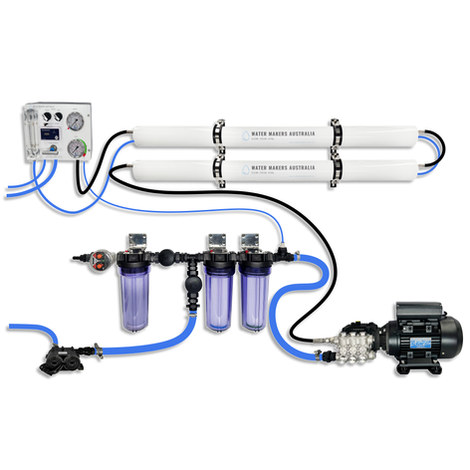
A two-membrane modular watermaker with 140 L/h nominal output, aimed at families and liveaboards that want more water per run.
Explore →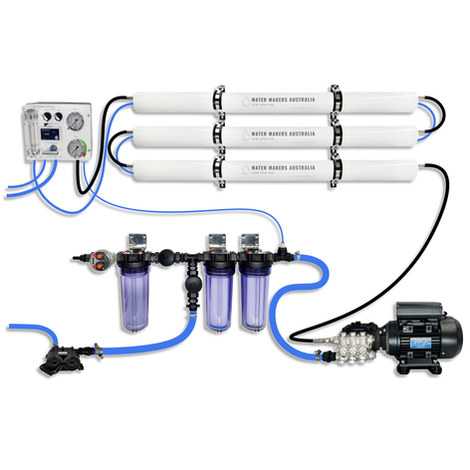
A three-membrane modular watermaker with 200 L/h nominal output and up to 240 L/h family-level marketing, for larger crews and heavy use.
Explore →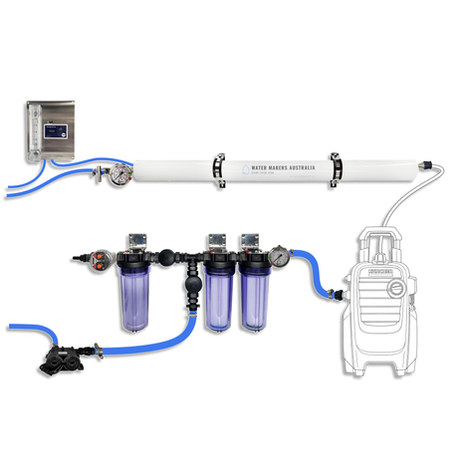
A one-membrane modular marine watermaker with 80 L/h nominal output, remote stainless control panel, standard consumables and direct Australian support.
Explore →