Loading this page…

Loading this page…
Sailing club
Port Augusta Yacht Club is based on El Alamein Road at the head of Spencer Gulf and is affiliated with Australian Sailing. It has a modern clubhouse and has long been part of the upper Spencer Gulf sailing community, including the Tripolis race between Port Augusta, Port Pirie and Whyalla. Check the club's Facebook page for current sailing activities.
About
Port Augusta Yacht Club is based on El Alamein Road at the head of Spencer Gulf and is affiliated with Australian Sailing. It has a modern clubhouse and has long been part of the upper Spencer Gulf sailing community, including the Tripolis race between Port Augusta, Port Pirie and Whyalla. Check the club's Facebook page for current sailing activities.
Service area: Port Augusta, SA
Keep exploring
Port Augusta Yacht Club is at 1 El Alamein Road, Port Augusta, at the very head of Spencer Gulf. It's affiliated with Australian Sailing and has a modern clubhouse, and visiting cruising sailors have been able to arrange hot showers there.
The club is part of an upper-gulf sailing tradition shared with Port Pirie and Whyalla. The three towns are linked by the Tripolis race, a three-day event whose perpetual trophy carries names going back to 1970. Port Augusta is the northernmost port on the gulf, known as the crossroads of Australia, and visiting yachts that make it this far are rewarded with a view of the Flinders Ranges from the water.
A South Australian anchorage guide has noted that the club no longer organises regular sailing, so the best way to check what's on is the club's Facebook page or a call on (08) 8641 3355. See our Port Augusta sailing clubs page and Port Augusta page for more.
Port Augusta Yacht Club doesn't publish a regular training program, and a South Australian anchorage guide has noted that the club no longer organises regular sailing. If you're keen to sail in the upper Spencer Gulf, check the club's Facebook page for anything current, or look to nearby clubs: Whyalla Yacht Club and Royal Port Pirie Yacht Club both run sailing programs.
Royal Port Pirie's come-and-try days and sailing school are the nearest structured option for beginners, and the Tripolis race is a great way for experienced sailors to explore the upper gulf with other crews. For formal courses, browse sailing courses on YouSail.
The clubhouse is on El Alamein Road in Port Augusta, at the head of Spencer Gulf. The upper gulf is narrow and fairly sheltered, and it's known for strong tidal flows and shallow areas that call for careful navigation. Cruising yachts visiting Port Augusta have been able to arrange showers at the club.
Tides are the key factor this far up the gulf. The narrowing channel concentrates the flow, so timing arrivals and departures with the tide makes a real difference. Mangroves and mudflats line much of the upper gulf, and the Flinders Ranges rise behind the town. See our FAQs on tidal streams and local winds in SA and crossing Spencer Gulf.
Port Augusta Yacht Club has been part of the upper Spencer Gulf sailing scene alongside the clubs at Port Pirie and Whyalla. The three towns have been linked by the Tripolis race, a multi-day event that runs from Port Augusta to Port Pirie, then from Port Pirie to Whyalla, and finally from Whyalla back to Port Augusta. The perpetual Tripolis trophy carries names from as early as 1970.
The race has always been a team effort between the three clubs. Since 1982 the Port Pirie motorboat Turtle has provided support for the fleet, one of the long-standing volunteer contributions that keep upper-gulf sailing going. For Port Augusta's sailors, the Tripolis has been a chance to race the length of the upper gulf and catch up with neighbouring clubs.
Apollo Bay is a small working harbour on Victoria’s Great Ocean Road where sheltered inshore sailing meets the Southern Ocean. The character is a mix of protected harbour berths and an exposed open coast: pleasant day-sails and sheltered weekend cruising inside the bay, with demanding coastal passages immediately offshore where south‑westerly swell and strong winds from the Southern Ocean dominate. It suits coastal cruisers, trailer sailors who launch at the ramp, and experienced coastal sailors who understand bar and swell behaviour; it is not a casual open‑ocean anchorage for unprepared or

Plan passages across Spencer Gulf or to Kangaroo Island by basing fuel on your boat’s actual consumption plus a generous reserve, choosing sensible staging/stop options that match your boat and crew, and prioritising shelter and weather windows (gale fronts, strong winds and tidal streams can make the gulf uncomfortable or unsafe). Confirm fuel availability, safe anchorages or marinas on your route, and check up-to-date local weather, tide and navigation information before you go.
Explore →
Choose an anchor type and size matched to your boat, seabed and expected conditions; set it by lowering steadily, backing down under power to bury the fluke or hook, and scope the rode to suit tidal range and wind/sea state. Regularly inspect your set and use trip lines or secondary anchors where risk of wind or current change is high.
Explore →
Do a seasonal inspection and servicing routine that focuses on hull and antifouling, through-hulls and seacocks, rigging and sails, engine and fuel systems, electricals and batteries, safety gear and bilge systems. Tailor exact tasks to your boat type, age and where you sail in South Australia, and follow manufacturer and marine service advice for anything technical.
Explore →
Before your first sail in South Australian waters check the weather and tide, make sure the boat and safety equipment are fit for the trip, confirm local rules and any area-specific hazards, and tell someone your plan.
Explore →
A practical guide for new sailors on picking the right Australian sailing club: training, boat access, racing, social fit, costs and the key questions to ask before joining.
Explore →A concise, practical introduction to the essential parts of a recreational sailing boat for beginners in Australia. Covers hull, deck, rigging, sails, steering, below-decks spaces and safety equipment, with simple explanations, common mistakes and a pre-decast checklist to help new sailors communicate and get underway.
Explore →A practical guide for recreational sailors planning visits to Albany and King George Sound. Covers the main anchorage areas, typical local weather patterns, tidal and current considerations, navigational hazards, on-the-water etiquette and a pre-departure checklist to help you plan a safe passage and enjoyable stopover
Explore →
A practical checklist and explanation of the safety equipment recreational sailors should carry in Australian waters, with how to choose gear, use it correctly, and common mistakes to avoid.
Explore →Burke Yachtsman Gear Bag 40L - Shop Now Zip Pay | Tamar Marine Skip to content 59 – 63 Holbrook Street, Invermay Online Shop Open 24/7 Products search Contact us 1300 MARINE $ 0.00 0 Cart Burke Yachtsman Gear Bag 40L $ 79.90 Colour Choose an option Black Blue Black Blue Clear - Burke Yachtsman Gear Bag 40L quantity + Add to cart Enquire about this product SKU BAGB-Y24/BLACK* Category Bags - Sail & Gear A Burke classic and customer favourite, the Yachtsman’s Gear Bag is built tough to handle wet, salty conditions while keeping your gear dry and protected. Made from double coated waterproof…
Explore →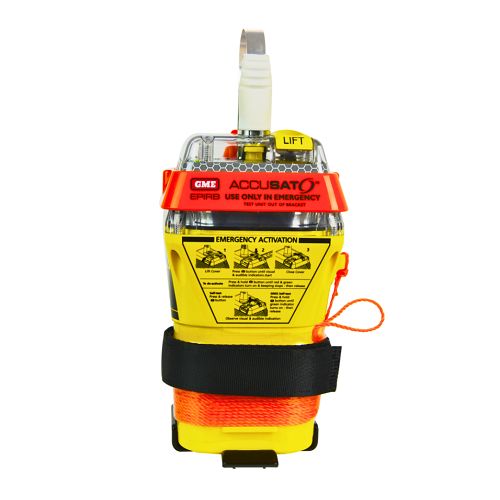
A 10‑year battery EPIRB with integrated GNSS (supports GPS and Galileo), infrared strobe and 121.5 MHz homing signal. Approved for worldwide COSPAS‑SARSAT operation.
Explore →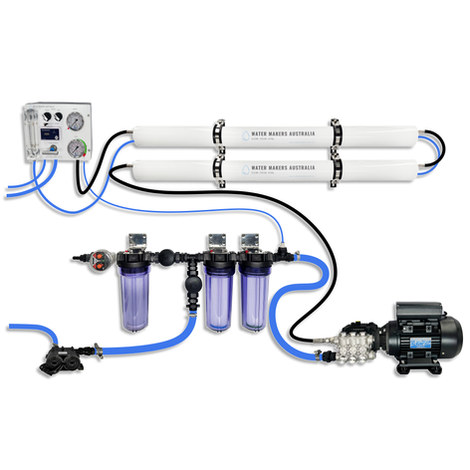
A two-membrane modular watermaker with 140 L/h nominal output, aimed at families and liveaboards that want more water per run.
Explore →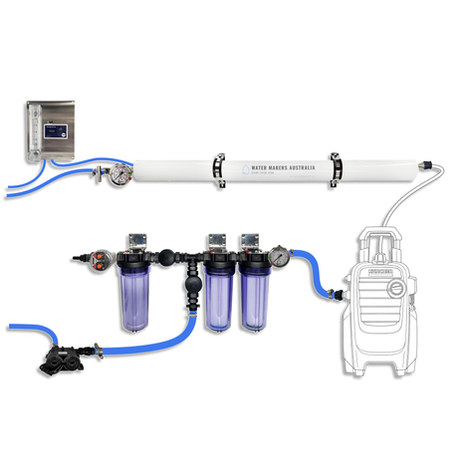
A one-membrane modular marine watermaker with 80 L/h nominal output, remote stainless control panel, standard consumables and direct Australian support.
Explore →