Loading this page…

Loading this page…
Sailing club
Port MacDonnell Sailing Club is a small, community-focused dinghy sailing club based at Sea Parade in Port MacDonnell, South Australia. The club runs regular club racing during the sailing season, organises championships and welcomes new members and volunteers. Its primary public presence is a club Facebook page and local community listings.
About
Port MacDonnell Sailing Club is a small, community-focused dinghy sailing club based at Sea Parade in Port MacDonnell, South Australia. The club runs regular club racing during the sailing season, organises championships and welcomes new members and volunteers. Its primary public presence is a club Facebook page and local community listings.
Service area: Port MacDonnell / District Council of Grant, Limestone Coast, South Australia
Keep exploring
Port MacDonnell Sailing Club races on the open waters of South Australia's southernmost town, off Sea Parade in Port MacDonnell. It's a friendly, volunteer-run club that races on Saturdays during the season and welcomes new members and volunteers. Its racing includes keelboats and trailable yachts, with events like the club's 25-foot Challenge series.
What the club offers
Port MacDonnell is a working fishing port, known as a rock lobster centre, and the club sails in the same bay as the fishing fleet. With Cape Northumberland just along the coast and the Southern Ocean beyond, it's a place that produces practical, weather-wise sailors.
Updates and contact are through the club's Facebook page, email (portmacsc@gmail.com) or phone (0408 385 500). See our Port MacDonnell sailing clubs page for more.
The club runs a seasonal racing program on Saturdays and hosts championships and club regattas that have been covered in local media. It also looks for volunteers for race officer and committee-boat duties. The club doesn't advertise a learn-to-sail or structured youth program, so contact it about crewing opportunities.
Crewing is the best way into sailing here. Racing off an exposed coast teaches seamanship quickly, and experienced skippers are usually glad of reliable crew. Volunteering as a boat driver or race official is another good way to learn how racing works. Before heading out on open water, our guide to sailing safety for beginners is worth a read.
Port MacDonnell sits on a bay on South Australia's south-east coast in the Limestone Coast region, close to the Victorian border. The club sails from the town's Sea Parade frontage and races on the bay and nearby coastal waters. The coast here is known for rocky capes and an exposed southern shoreline.
These are Southern Ocean waters, and conditions can change fast. Big swells, strong south-westerly fronts and cold water call for proper safety gear and respect for the forecast, and headlines like "Sailors face ultimate test" show how tough the conditions can get. On good days, though, the sailing is spectacular, with clean ocean breezes and dramatic coastline. See our guide to understanding wind, waves and sea state.
Port MacDonnell Sailing Club is an established local sporting organisation that stages seasonal racing and championships. Local media coverage records club racing, trophy presentations and championship events over many seasons, from the 25-foot Challenge to handicap wins by boats such as Papillon.
In 2017 the club paused to reflect on its long history after the death of one of its founding members. Through the decades it has kept sailing alive in a small fishing town at the bottom of the state, with volunteers running races, championships and social events for the Port MacDonnell community.

Do a seasonal inspection and servicing routine that focuses on hull and antifouling, through-hulls and seacocks, rigging and sails, engine and fuel systems, electricals and batteries, safety gear and bilge systems. Tailor exact tasks to your boat type, age and where you sail in South Australia, and follow manufacturer and marine service advice for anything technical.
Explore →
Legal safety equipment for recreational boats in South Australia depends on the type, size and where you operate; you must check the current SA government requirements for your vessel. Independently of legal minimums, carry a sensible set of recommended items (lifejackets, means of communication, signaling, fire protection, anchor and basic tools) and make them usable and maintained.
Explore →
Tidal streams and local wind patterns can change trip time, fuel use, helm balance and safety margins on short coastal runs — plan your departure and route to use favourable tidal flow, allow margin for wind-driven sea and gusts, and check up-to-date local tide and weather information before you go.
Explore →
Expect light to moderate, thermally-driven sea breezes in summer with afternoon strengthening; more changeable and often stronger winds with frontal systems in autumn and spring; and the windiest, roughest conditions in winter when cold fronts and sou’westers are most frequent. Gulf St Vincent is more sheltered than the exposed coast but can still produce steep chop and sudden changes near Adelaide and headlands.
Explore →
A practical guide for new sailors on picking the right Australian sailing club: training, boat access, racing, social fit, costs and the key questions to ask before joining.
Explore →
A practical, Australia‑focused introduction to sailing: key terms, common boat types, basic manoeuvres, where to learn, licence and club options, and planning your first trips with safety and local conditions in mind.
Explore →
A practical, Australia-focused guide for planning and sailing around the Whitsunday Islands: weather and seasons, navigation and anchoring, moorings and parks, provisioning and charters, safety and common mistakes, plus checklists and next steps.
Explore →A concise, practical introduction to the essential parts of a recreational sailing boat for beginners in Australia. Covers hull, deck, rigging, sails, steering, below-decks spaces and safety equipment, with simple explanations, common mistakes and a pre-sail checklist to help new sailors communicate and get underway.
Explore →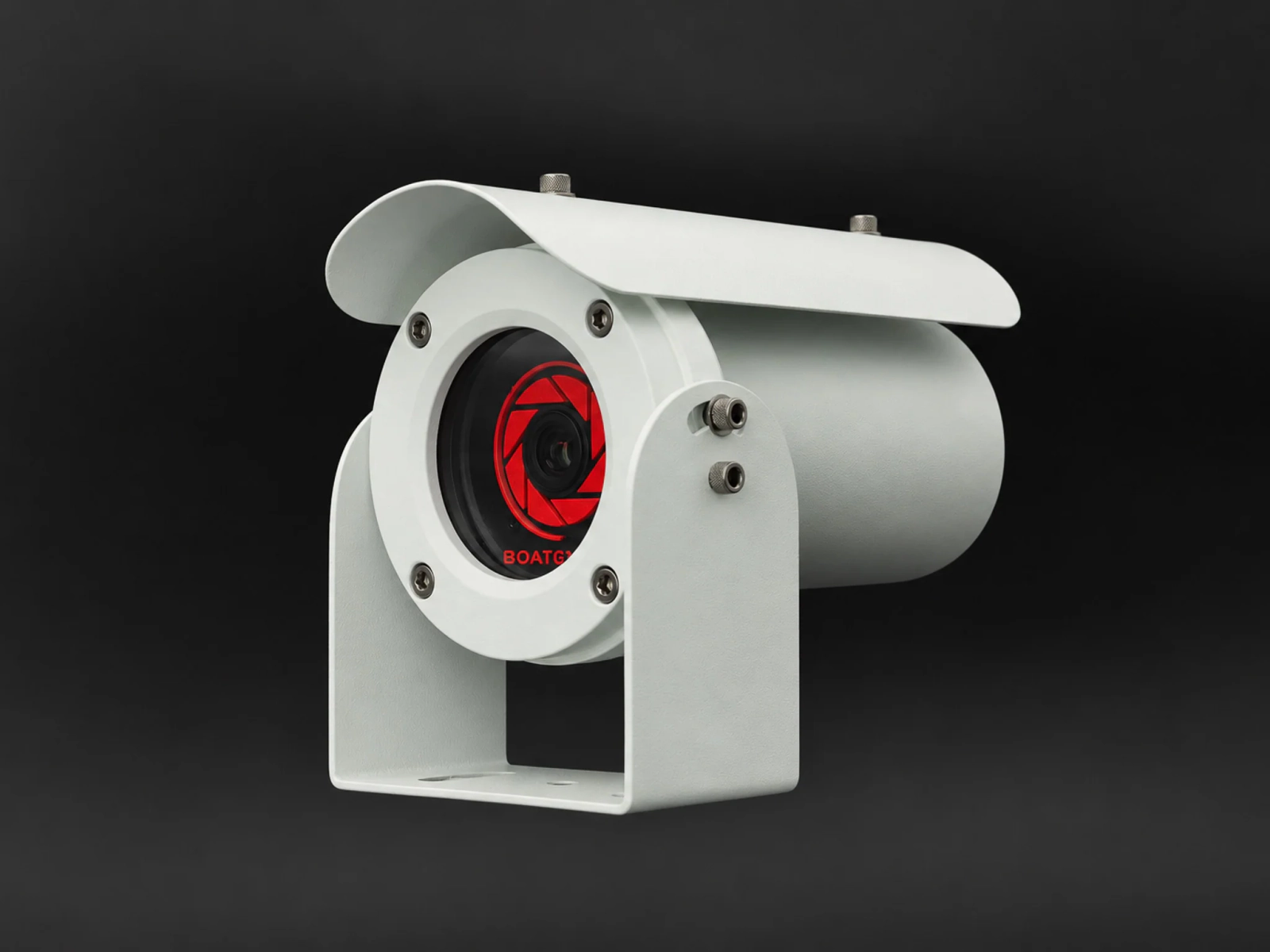
The original BoatEye360 full-colour low-light camera: the same 0.0001 lux sensor as the V2 in a larger 316L stainless housing, with HDMI and analog output, at a lower price.
Explore →
Push-to-talk radio that uses 4G mobile networks where there is coverage and a built-in 16-channel analog radio where there is none, with GPS and SOS. Sold as a two-pack.
Explore →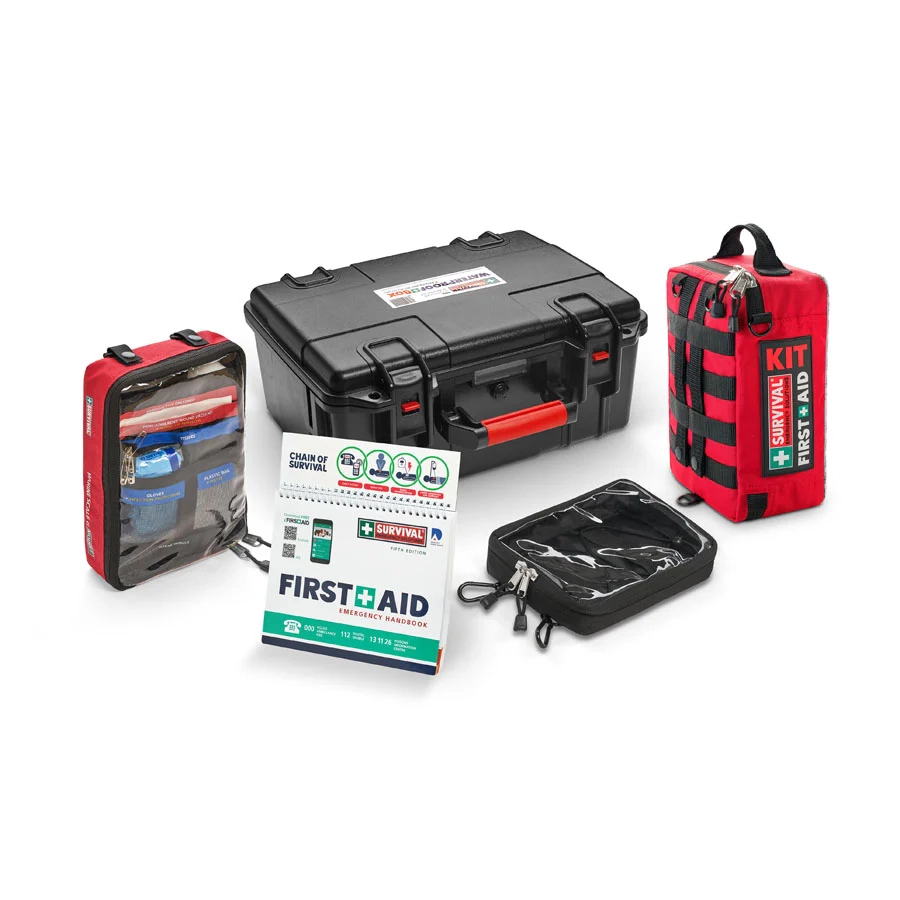
A 142-item marine first aid kit built around the Australian Scale G requirement, with a workplace kit, a Scale G module and a handbook packed in a large waterproof box.
Explore →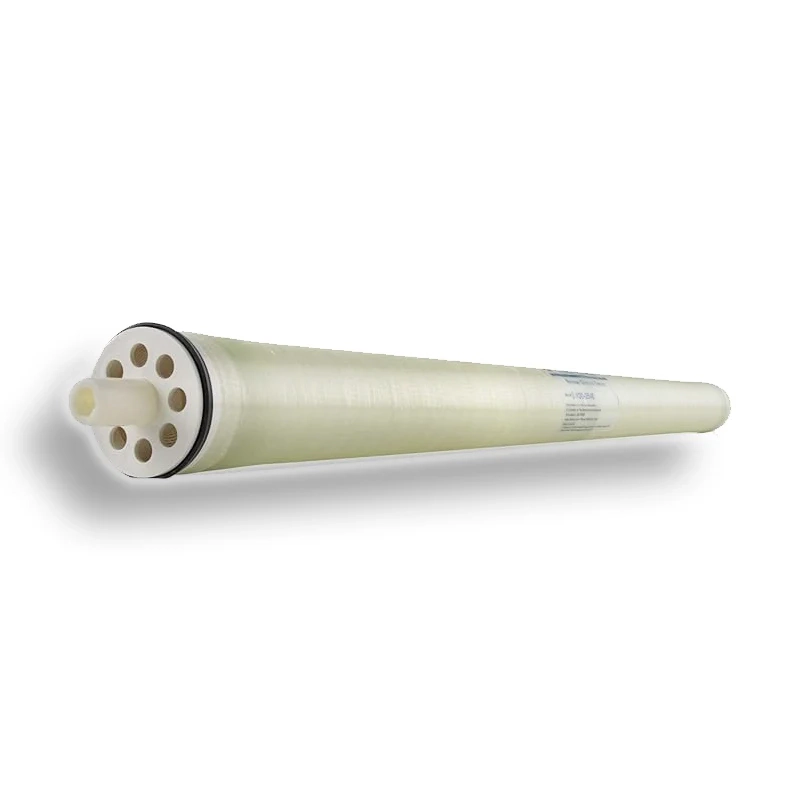
Spare 2.5 x 40 inch seawater reverse-osmosis membrane, the element used in every Water Makers Australia system and a common size across many other watermakers.
Explore →