Loading this page…

Loading this page…
Sailing club
Port of Yamba Yacht Club is a friendly, mixed keelboat and dinghy club based at Yamba Marina on the lower Clarence River, New South Wales. Founded in 1998, the club runs regular midweek and Sunday racing, twilight events in warmer months, twice-yearly regattas (including an established Easter regatta) and a welcoming social programme centred on its licensed clubhouse, the YAMBAR. Visitors and novice crew are actively invited to join sails and racing.
About
Port of Yamba Yacht Club is a friendly, mixed keelboat and dinghy club based at Yamba Marina on the lower Clarence River, New South Wales. Founded in 1998, the club runs regular midweek and Sunday racing, twilight events in warmer months, twice-yearly regattas (including an established Easter regatta) and a welcoming social programme centred on its licensed clubhouse, the YAMBAR. Visitors and novice crew are actively invited to join sails and racing.
Service area: Lower Clarence River / Yamba Marina, Yamba NSW
Keep exploring
Port of Yamba Yacht Club is a local sailing and yacht club based at the Yamba Marina (3 Yamba Road) on the mouth of the Clarence River in Yamba, NSW. Founded in 1998, the club runs organised sailing activities including regular midweek racing, monthly Sunday sails and social events (potluck dinners, bar open during events). The club offers a Try Sailing SailPass for novice crew and welcomes people with no prior experience to join club sails.
The most distinctive invitation in Yamba sailing costs nothing and asks nothing: turn up at the marina at 11.45 on a Friday morning and go for a sail. "Crew always welcome, no experience required" is the club's standing offer, and it functions as the de facto learn-to-sail pathway — newcomers are simply put aboard and taught by doing, the way sailing clubs introduced people to the sport for generations before formal curricula existed. There is no accredited dinghy school here, no published ladder of junior courses; instead, the club relies on its mixed fleet and patient regulars to bring raw recruits along, from off-the-beach dinghies through trailer sailers to ocean-going keelboats.
The racing framework that absorbs those newcomers runs all year on the lower Clarence. The NSW tourism listing has the club racing every Wednesday and once a month on Sundays outside the winter layoff of July and August, and twilight racing fills a weekday evening slot through the warmer months. Because the fleet spans everything from dinghies to keelboats, handicap racing is the norm and a well-sailed trailer sailer can take the day's honours off far grander opposition.
The twice-yearly regattas — Easter being the headline — lift the intensity, pulling entries from every corner of the sport at once, from serious ocean racers to junior dinghies, and giving ambitious local crews a taste of big-fleet starts without leaving home water. For sailors who catch the bug, the step from Friday deckhand to Sunday racer to regatta crew is short, and the club's informality means nobody stands on ceremony while you learn the ropes.
Everything this club does happens on the lower Clarence River, and what a piece of water it is. Local operators describe the Clarence as the largest river on Australia's eastern seaboard, and its lower reaches feel it: a working port waterway with depths of thirty to fifty feet in places, a deep shipping channel, and coastal freighters and a tug sharing the space with the racing fleets.
The club's yachts stay within a practical sailing range — the river remains navigable far upstream towards Grafton, but, as one visiting sailor put it, you cannot sail a keel boat that far. What the lower river offers instead is room: long reaches, honest tidal flow, and scenery that visiting regatta sailors routinely praise.
The club calls the Yamba Marina home, with its clubhouse at 3 Yamba Road right in the heart of Yamba's boating precinct. The venue is family friendly and fully licensed, the YAMBAR bar opening from 5pm on Fridays and whenever the club is racing or holding an event. An enquiry desk, non-smoking policy and monthly newsletter round out the offering; the NSW tourism listing notes the premises do not currently cater for people with access needs.
Sailing runs year-round, with the formal race program stepping aside only in July and August, and the social calendar filling any gaps. For cruising sailors working their way along the coast, the combination of a marina berth, a welcoming clubhouse and a river with genuine depth makes Yamba one of the more practical stops between the Gold Coast and Coffs Harbour — and the club is happy for travellers to make it a long one.
Established in 1998, Port of Yamba Yacht Club is one of the newer names in NSW sailing, and its early chapters — founders, first commodore, the first clubhouse — have yet to be written down in any public form. What the record does show is a club that grew quickly into the sport's regional fabric. Set at the mouth of the Clarence, it welcomed sailing yachts and motor boats from the outset, a breadth that mirrored the river community around it, and within a few seasons it was running regattas twice a year that pulled entries from ocean keelboats down to small dinghies. The Easter regatta became the anchor event, described by one visiting ocean sailor simply as "very big".
The town around the club carries a longer story. Yamba was originally named Shoal Bay and took its present name in 1885; more than a century later, in 2009, a tourism panel judged it the best town in Australia, a gong locals still mention with a smile. The club's own proudest moment to date came in January 2024, when it hosted the 51st RL24 National Championships from the 8th to the 12th — the first time the class had brought its nationals to Yamba, though RL24s had been racing and playing on the Clarence for years beforehand.
The event followed the class's fiftieth-anniversary nationals at Hollywell on the Gold Coast, which had drawn thirty boats, the largest RL24 fleet yet assembled. Landing a national championship barely a quarter-century after its own founding said much about the club's standing. For a club without a long written history, it has already written a good deal on the water.

Plan as a chain of conservative daily legs tied to your boat’s real-world fuel and speed in the expected sea state, with confirmed primary and alternate anchorages/berths, fuel legs and back-up fuel options, and a documented emergency/diversion plan (comms, tow and med-evac). Build tidal and weather gates into each leg and carry chart and comms redundancy.
Explore →
Plan to transit Sydney Heads and northern NSW estuary entrances to take advantage of favourable tidal streams or slack water; account for local acceleration over shoals, eddies, wind-on-current effects and river discharge, and always check the latest local observations and tide/stream products before departure.
Explore →
Usually not for a small sailing dinghy. In NSW a boat driving licence is needed only to drive at 10 knots or more, or to drive a personal watercraft, and a vessel must be registered if it has an engine of 4 kW or more, is 5.5 m or longer, or needs a mooring licence or marina berth. A trailer towed on public roads needs its own registration.
Explore →
Before the season: confirm seaworthiness — hull, rig, engine, electrics, sails and safety gear — and replace or service wearable items. After the season: wash, dry and protect gear, service consumables and record what you did so the boat’s ready and reliable next season.
Explore →A practical guide to preparing, planning and executing a recreational offshore passage along the New South Wales coast. Covers route selection, weather and tidal considerations, vessel and crew checks, safety equipment, communication, watchkeeping and common mistakes, with clear pre‑departure and underway checklists.
Explore →
A practical guide for new sailors on picking the right Australian sailing club: training, boat access, racing, social fit, costs and the key questions to ask before joining.
Explore →A practical guide to selecting and using anchorages around New South Wales for cruising sailors. Covers sheltered bays, tidal considerations, holding, approach planning, and example anchorages with local conditions to check before you go.
Explore →Practical guide for recreational sailors planning passage on the Hawkesbury River: how to plan around tides, choose anchorages, read local conditions and prepare the boat and crew for a safe, comfortable trip.
Explore →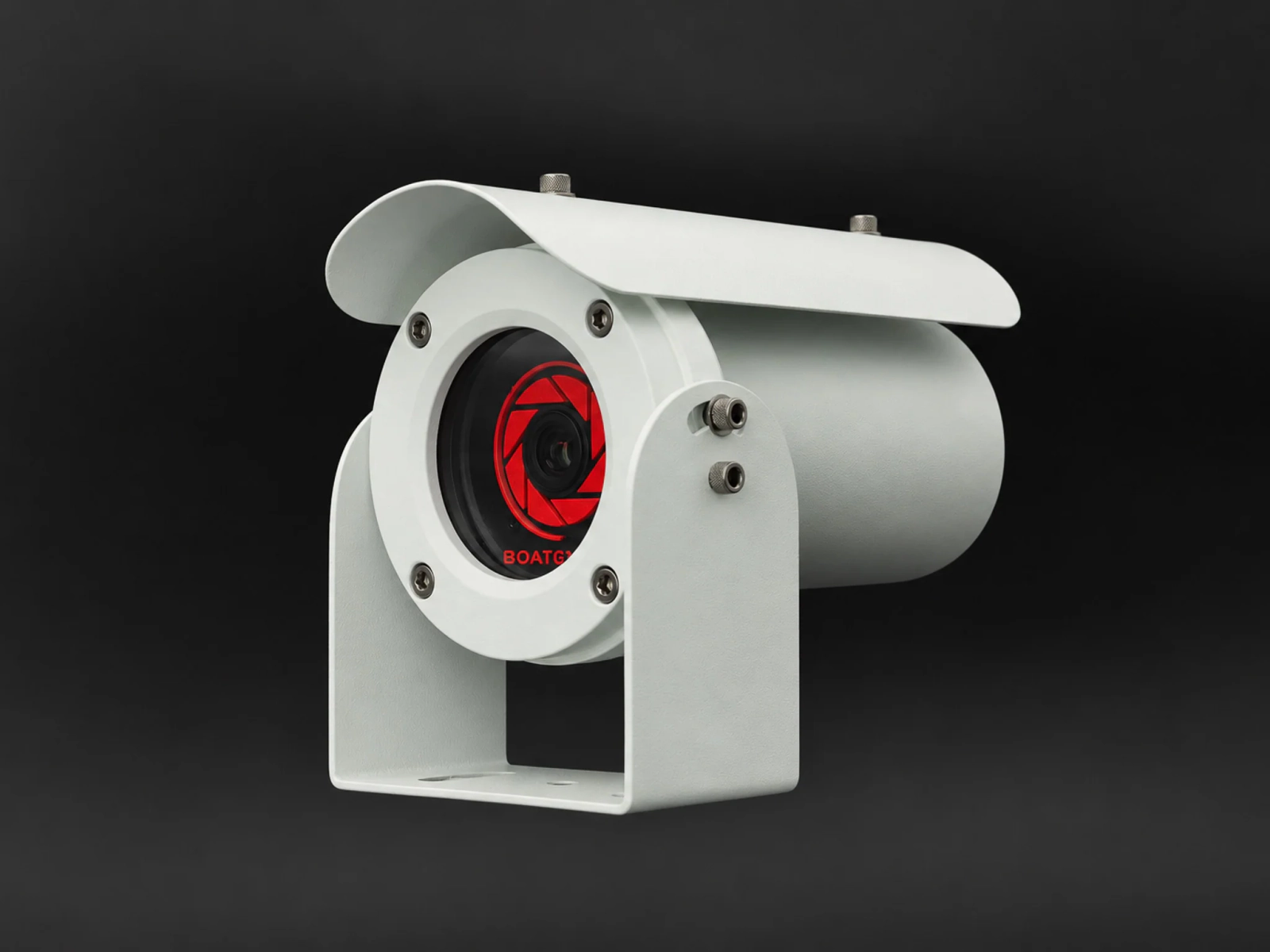
The original BoatEye360 full-colour low-light camera: the same 0.0001 lux sensor as the V2 in a larger 316L stainless housing, with HDMI and analog output, at a lower price.
Explore →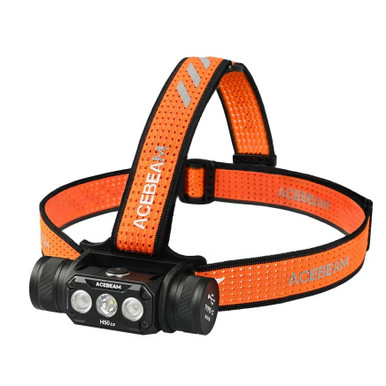
A 2000 lumen headlamp with spot and flood beams, rated IP68 and submersible to 2 metres, with a 141 metre beam and up to 30 hours on low.
Explore →
Push-to-talk radio that uses 4G mobile networks where there is coverage and a built-in 16-channel analog radio where there is none, with GPS and SOS. Sold as a two-pack.
Explore →
Metal-bodied 4G push-to-talk radio with GPS and SOS in the GPS variant and a lifetime SIM plan included. Sold as a two-pack.
Explore →