Loading this page…

Loading this page…
Sailing club
Saratoga Sailing Club is a community sailing club on the Saratoga Peninsula, Central Coast NSW, organising casual sailing, racing (including Sundays and regattas) and social activities. The club hosts junior membership and welcomes new sailors of varying experience. The clubhouse includes a ground-level boat storage area and an elevated hall (refurbished 2023) with kitchen, deck and views over Brisbane Water that the club hires for functions (weddings, engagements, birthdays and community events).
About
Saratoga Sailing Club is a community sailing club on the Saratoga Peninsula, Central Coast NSW, organising casual sailing, racing (including Sundays and regattas) and social activities. The club hosts junior membership and welcomes new sailors of varying experience. The clubhouse includes a ground-level boat storage area and an elevated hall (refurbished 2023) with kitchen, deck and views over Brisbane Water that the club hires for functions (weddings, engagements, birthdays and community events).
Service area: Saratoga, NSW
Keep exploring
Saratoga Sailing Club is a community sailing club on the Saratoga Peninsula, Central Coast NSW, organising casual sailing, racing (including Sundays and regattas) and social activities. The club hosts junior membership and welcomes new sailors of varying experience. The clubhouse includes a ground-level boat storage area and an elevated hall (refurbished 2023) with kitchen, deck and views over Brisbane Water that the club hires for functions (weddings, engagements, birthdays and community events).
Windsurfing is the one discipline where Saratoga will actually teach you. The club offers windsurfing instruction — a rare holdover from the board-sailing boom that survives here as a living fleet — while for dinghy learn-to-sail it takes the honest small-club route of referring prospective students to the accredited programs at Gosford Sailing Club, Newcastle Cruising Yacht Club or Lake Macquarie Sailing Charters. That referral habit is common among volunteer-run clubs and, in Saratoga's case, comes with a genuine soft landing on the other side.
Once a sailor has the basics, the club's casual pathway kicks in. Sunday is the day: boats gather from about 11:30 in the morning and the sailing wraps up between 3:30 and 4:00 in the afternoon, in time for drinks and snacks back at the clubhouse. Bringing your own boat is ideal, but some club boats can be borrowed — a low-cost way for a returning sailor or a recent graduate of a learn-to-sail course to keep their hands in without immediately buying a dinghy.
An Australian Sailing SailPass is required to take part, which keeps insurance and safety tidy for everyone. There is historical depth to the junior story even if no formal school exists today: through the 1970s, 80s and 90s the club was thick with young sailors, fleets of Sabots filled its storage, and regatta days drew juniors in numbers the older members still talk about. The pathway now is informal but proven — arrive, borrow, sail, and let the racing teach you what the courses didn't.
Brisbane Water is the whole proposition. This broad, shallow estuary near Gosford, fed by small creeks and hemmed in by wooded ridges, gives Central Coast sailors sheltered racing water with enough open fetch for a decent breeze to build a chop on a lively afternoon. It is forgiving territory for the Sabots and Hartleys that built the club, yet open enough across the wider reaches toward Gosford and Woy Woy to let an A-Class catamaran stretch its legs on the foils. Sea breezes working up the estuary against the ridge lines make for the kind of shifting pressure that rewards sailors who know their home water — and Saratoga's regulars have been reading these patterns for five decades.
The clubhouse stands on Crown Land at Saratoga Point, with foreshore access for launching and a view across the bay that the club rightly counts among its assets. Inside are male and female change rooms with toilets and showers, boat storage below, and an upstairs hall whose unobstructed water views make it a popular hire venue for weddings and engagements. Race days come with rescue boat coverage, and the calendar runs Sunday racing through the season plus regatta days that draw visiting sailors from other clubs.
The co-located Deepwater Dragon Boat Club means the foreshore rarely sits idle. Access has improved since the early days, when dinghies were wheeled across Saratoga Oval from a leased council shed beside the tennis courts; the point site now puts rigging lawn, clubhouse and launching within a few steps of each other. For visitors, it is an easy reach from Sydney or Newcastle for a day's estuary racing.
The club opened in 1972, founded, its own history records, by a bunch of "very enthusiastic 12 foot skiff sailors". The skiff DNA shows in everything that followed: an informal, hands-on club built by people who sailed first and administered second. By the late 1970s operations had shifted to Saratoga Oval, where Gosford Council leased the club a storage shed beside the tennis courts, doubling as canteen and Sabot store.
Dinghies were wheeled across the oval to launch, and the facilities were basic enough that the club history fondly records the dunny man collecting the lavatory cans in the early morning. The canteen ran on the labour of sailors' mothers and wives, a beer keg supplied the social side, and junior sailors thronged the place on regatta days.
The move to permanence came through an unlikely source: the Whitlam government's Regional Employment and Development scheme, which supplied funding and labour for a clubhouse on Crown Land at Saratoga Point, built under a local shipwright's supervision in the late 1970s. Help also arrived after the May 1976 state election from Brian McGowan, the Labor member for Gosford, who donated a boat and is today commemorated by the Gosford bridge bearing his name.
The clubhouse build was a community production — Sabot kids wired the reinforcing steel before the slab was poured, the first stage was given a deliberately high ceiling to allow a future second floor, and that upper level was eventually funded by selling bricks at ten dollars apiece. Half a century on, the club marked its 50th anniversary in 2022 in the building its members quite literally made themselves, still racing the estuary every Sunday through the season.
A detailed sailing guide to the Tollgate Islands area on the NSW south coast, focused on Batemans Bay, the Clyde River entrance and nearby sheltered waters. The guide explains geography, typical conditions, principal sailing zones, anchorages and moorings, facilities ashore and practical arrival notes. It highlights local hazards — exposed heads, shifting sand, bird-protection restrictions and commercial traffic — and outlines local rules and responsible-access requirements. Several suggested sailing experiences are provided for day sailors, weekend cruisers and passagemakers, with clear notes

Plan as a chain of conservative daily legs tied to your boat’s real-world fuel and speed in the expected sea state, with confirmed primary and alternate anchorages/berths, fuel legs and back-up fuel options, and a documented emergency/diversion plan (comms, tow and med-evac). Build tidal and weather gates into each leg and carry chart and comms redundancy.
Explore →
Look for a friendly club with beginner-focused training, accessible facilities and boats, a supportive community, clear safety practices, and opportunities to progress at your own pace.
Explore →
Yes — South Australian coastal waters include marine parks, aquatic reserves, harbour bylaws and local council restrictions that can affect anchoring, fishing, mooring and access; check the relevant state agencies, local councils and Notices to Mariners for location-specific rules and permit requirements.
Explore →
Pick a protected bay, estuary or river reach where you can rig, launch and arrive on calm water within a short, sheltered transit; choose a site with a good ramp or jetty, clear recovery options and a nearby sailing club, marina or commercial operator for local knowledge and help.
Explore →
A practical guide for new sailors on picking the right Australian sailing club: training, boat access, racing, social fit, costs and the key questions to ask before joining.
Explore →A practical guide to preparing, planning and executing a recreational offshore passage along the New South Wales coast. Covers route selection, weather and tidal considerations, vessel and crew checks, safety equipment, communication, watchkeeping and common mistakes, with clear pre‑departure and underway checklists.
Explore →A practical guide for recreational sailors planning visits to Albany and King George Sound. Covers the main anchorage areas, typical local weather patterns, tidal and current considerations, navigational hazards, on-the-water etiquette and a pre-departure checklist to help you plan a safe passage and enjoyable stopover
Explore →A practical guide to the coastal weather systems that affect sailing along Western Australia's coast, focusing on the Fremantle Doctor, local sea breezes, and linked coastal phenomena. Explains how these systems form, when they tend to occur, how they influence boat handling and passage planning, common mistakes, and a
Explore →Burke Yachtsman Gear Bag 40L - Shop Now Zip Pay | Tamar Marine Skip to content 59 – 63 Holbrook Street, Invermay Online Shop Open 24/7 Products search Contact us 1300 MARINE $ 0.00 0 Cart Burke Yachtsman Gear Bag 40L $ 79.90 Colour Choose an option Black Blue Black Blue Clear - Burke Yachtsman Gear Bag 40L quantity + Add to cart Enquire about this product SKU BAGB-Y24/BLACK* Category Bags - Sail & Gear A Burke classic and customer favourite, the Yachtsman’s Gear Bag is built tough to handle wet, salty conditions while keeping your gear dry and protected. Made from double coated waterproof…
Explore →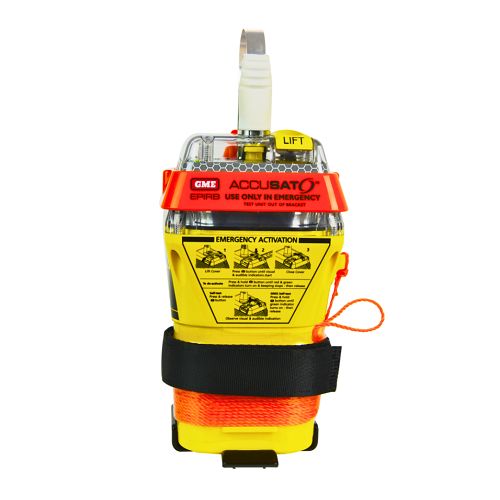
A 10‑year battery EPIRB with integrated GNSS (supports GPS and Galileo), infrared strobe and 121.5 MHz homing signal. Approved for worldwide COSPAS‑SARSAT operation.
Explore →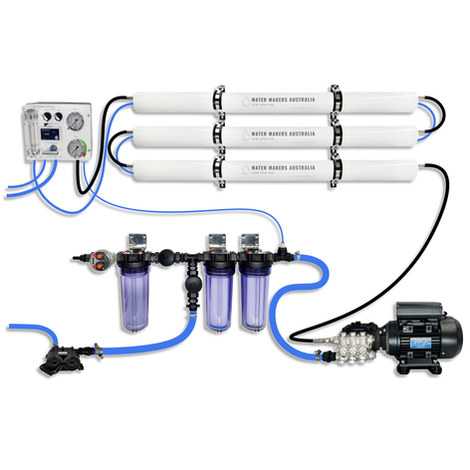
A three-membrane modular watermaker with 200 L/h nominal output and up to 240 L/h family-level marketing, for larger crews and heavy use.
Explore →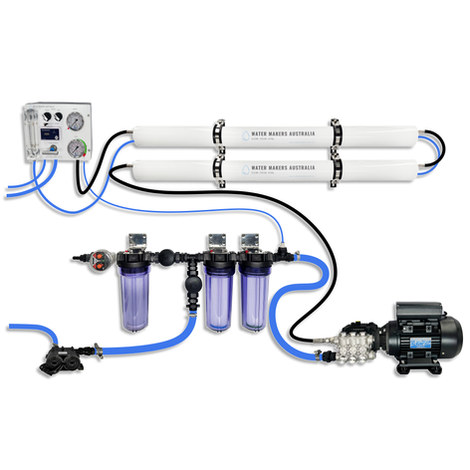
A two-membrane modular watermaker with 140 L/h nominal output, aimed at families and liveaboards that want more water per run.
Explore →