Loading this page…

Loading this page…
Sailing club
Community boat club at 56 Fooks Terrace, St Kilda (SA), with affordable hardstands, marina berths, slipping, a private boat ramp, secure parking and clubrooms with a bar.
About
Community boat club at 56 Fooks Terrace, St Kilda (SA), with affordable hardstands, marina berths, slipping, a private boat ramp, secure parking and clubrooms with a bar.
Service area: St Kilda (Adelaide metro - Port River), SA
Keep exploring
Community boat club at 56 Fooks Terrace, St Kilda, offering affordable hard stands, marina berths, slipping facilities, a private boat ramp, secure car park and clubrooms with bar facilities.
See other clubs nearby on our St Kilda (SA) sailing clubs page.
St Kilda Boat Club is a community boating club focused on affordable facilities for boat owners — hardstands, marina berths, slipping and a private ramp — rather than a formal sailing school. New members pick up plenty of local knowledge from experienced boaties, particularly about the channel out to Barker Inlet and the tides that shape it.
For accredited courses, the Cruising Yacht Club of South Australia Marine Academy at North Haven runs powerboat licence, navigation, marine radio and safety courses. Our guides to understanding Australian tides, currents and tidal gates and using VHF marine radio are handy for boating in this area.
The St Kilda channel is the defining piece of local knowledge: it winds through the mangroves from the ramp to Barker Inlet, and while far deeper than the pick-and-shovel original, it still limits the club to about 1.8 metres draft, and skippers monitor the tide before entering or leaving. Barker Inlet itself is a shallow, sheltered estuary suited to small craft, with fishing and crabbing the main game; Australian salmon, whiting, King George whiting and bream are the local species the club promotes, and the inlet's creeks produce blue swimmer crabs in season.
Beyond the inlet, Gulf St Vincent opens up with metropolitan sailing grounds from North Haven to Glenelg within day-trip range. The surrounding coast is unusual for a capital city: the St Kilda mangrove boardwalk and the Adelaide International Bird Sanctuary sit just along the shore, and the waters toward Garden Island form part of the dolphin sanctuary, so the run out the channel often comes with dolphin and bird life for company.
St Kilda is about 25 kilometres north of the Adelaide CBD, off the Salisbury Highway, which makes the club a practical trailer-boat base for the northern suburbs. The club's informal racing uses a handicap system suited to the mixed fleet, and visitors with shallow-draft boats can usually arrange a look at the facilities through the secretary; deeper yachts should plan around the tide or head for the RSAYS or CYCSA basins at the river mouth instead.
At low tide the channel edges and sand flats are exposed, so staying between the markers matters, and after strong tides the bar at the channel mouth can shift.
St Kilda Boat Club began in 1964 as the St Kilda Boatowners' Association, formed by owners of small power boats prepared to negotiate what was then a very shallow mangrove channel out to Barker Inlet. The channel was deepened in the early years by members wielding picks and shovels, the first clubhouse was an old Nissen hut, and the present clubrooms at 56 Fooks Terrace opened in 1980; the Salisbury council later improved the channel substantially for users of its public ramp and the club alike.
A marina with berths for about fifty boats followed, and in 2023 the club added another twenty-four berths, some of them able to take boats over ten metres, its biggest single expansion. The club's pitch has never changed: affordable berthing, hard stands and slipping for ordinary boat owners in Adelaide's north, run by volunteers, with a bar and a social calendar rather than a commercial tariff sheet.
Today it caters to vessels drawing up to about 1.8 metres, and the tide still has to be watched on the way in and out, which keeps the fleet honest and mostly shallow-draft. Motorboat owners in particular value the private ramp and secure parking as an escape from the queues and opportunistic theft at the public facility next door. Kayakers are active members, but the club runs no dinghy sailing, for the simple reason that there is no beach.
In 2023 the marina expansion was the clearest sign of the club's rude health, adding modern floating pens for bigger boats while holding fees at levels that keep boating accessible to working families across the northern suburbs.
Dangar Island sits in the lower Hawkesbury River close to Brooklyn and is one of Sydney’s small, boat‑access communities. From the water it reads as a wooded, low island with sandy foreshore, a public jetty and private moorings; its position at the mouth of Cowan Creek and close to the main river channel makes it an attractive short‑cruise destination for trailer sailors, runabouts and small cruisers but also one that requires careful local knowledge and respect for resident berths, ferry operations and tidal currents.

Use ramps and beaches with respect for local conditions: check ramp layout, tide and swell, wind direction, vehicle access and crowding; prepare boat and crew before you launch or retrieve; and follow local signage, courtesy and safety practices. Specifics vary by ramp and beach, so confirm details for the exact site before you go.
Explore →
Local rules, marine‑park zoning and permit needs vary by reserve around South Australia’s coast — check the relevant marine park zoning map and SA Department for Environment and Water (DEW) information for the exact area before you go.
Explore →
Pick a ramp that matches your boat size and trailer setup, has safe approach and exit conditions (depth, slope, surface), good onshore parking and flow, and follow simple ramp etiquette: queue, help others, rig off the trailer when clear, and secure your vessel quickly.
Explore →
Look for a friendly club with beginner-focused training, accessible facilities and boats, a supportive community, clear safety practices, and opportunities to progress at your own pace.
Explore →A concise, practical introduction to the essential parts of a recreational sailing boat for beginners in Australia. Covers hull, deck, rigging, sails, steering, below-decks spaces and safety equipment, with simple explanations, common mistakes and a pre-decast checklist to help new sailors communicate and get underway.
Explore →
Buying a Sailing Boat
Explore →
A practical, Australia‑focused introduction to sailing: key terms, common boat types, basic manoeuvres, where to learn, licence and club options, and planning your first trips with safety and local conditions in mind.
Explore →
Practical guidance for recreational sailors in Australia on assessing swell, tide and wind, choosing the safest time to cross a coastal bar, preparing crew and gear, and making the decision to go or turn back.
Explore →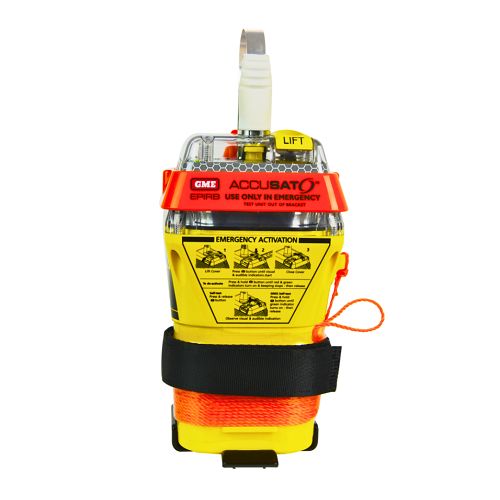
A 10‑year battery EPIRB with integrated GNSS (supports GPS and Galileo), infrared strobe and 121.5 MHz homing signal. Approved for worldwide COSPAS‑SARSAT operation.
Explore →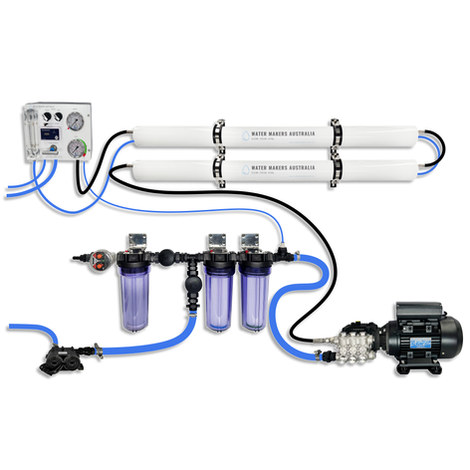
A two-membrane modular watermaker with 140 L/h nominal output, aimed at families and liveaboards that want more water per run.
Explore →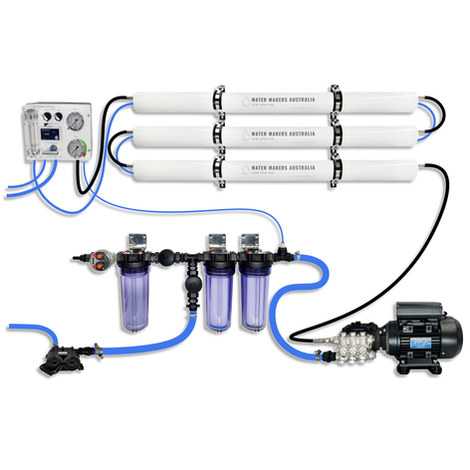
A three-membrane modular watermaker with 200 L/h nominal output and up to 240 L/h family-level marketing, for larger crews and heavy use.
Explore →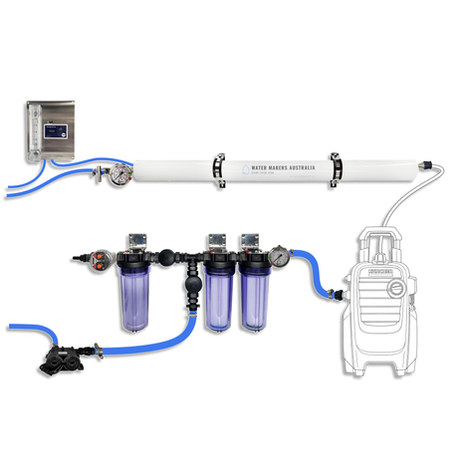
A one-membrane modular marine watermaker with 80 L/h nominal output, remote stainless control panel, standard consumables and direct Australian support.
Explore →