Loading this page…

Loading this page…
Sailing club
Sussex Inlet & Basin Yacht Club (SIBYC) is a local sailing club based on St Georges Basin, NSW, promoting social sailing and club racing. The club runs a weekend racing program (typically Saturdays) during its season from November to May, hosts an annual regatta (traditionally the first weekend in February) and welcomes members interested in trailer-sailer racing and recreational sailing on the Basin. Contact is via the club email for membership, race information and general enquiries.
About
Sussex Inlet & Basin Yacht Club (SIBYC) is a local sailing club based on St Georges Basin, NSW, promoting social sailing and club racing. The club runs a weekend racing program (typically Saturdays) during its season from November to May, hosts an annual regatta (traditionally the first weekend in February) and welcomes members interested in trailer-sailer racing and recreational sailing on the Basin. Contact is via the club email for membership, race information and general enquiries.
Service area: Sussex Inlet; St Georges Basin (NSW)
Keep exploring
Sussex Inlet & Basin Yacht Club (SIBYC) is a local sailing club based on St Georges Basin, NSW, promoting social sailing and club racing. The club runs a weekend racing program (typically Saturdays) during its season from November to May, hosts an annual regatta (traditionally the first weekend in February) and welcomes members interested in trailer-sailer racing and recreational sailing on the Basin. Contact is via the club email for membership, race information and general enquiries.
There is no learn-to-sail school here, and the club does not pretend otherwise. No Tackers program, junior pathway or Discover Sailing Centre accreditation exists on the public record — with a fleet of around a dozen trailer-sailers and no clubhouse, the club simply is not built for formal instruction. What it offers instead is something rarer: a low-pressure doorway into keelboat and trailer-sailer racing for adults who already have a boat, or access to one.
The mechanics are welcoming by design. The racing is handicap-based, and the system is built to absorb newcomers: boats without an established Performance Based Handicap are simply allocated a Class Based Handicap and slotted into the fleet, with handicaps arranged by email before the day. Visitors may sail up to six races as guests under Australian Sailing's SailPass system, with each crew member completing a SailPass per race — enough of a season to know whether the Basin habit is going to stick before committing to membership.
The season runs on Saturdays from November to May, and the fleet's trailer-sailer character keeps everything flexible: boats are towed in, launched, raced and taken home, so the club carries none of the overheads that sink small volunteer organisations. Learning here happens the way it always has in small keelboat fleets — crewing spots for the willing, local knowledge passed across the cockpit about shallows, marks and the quirks of the lagoon. The annual regatta doubles as the club's development program of sorts, because racing shoulder to shoulder with visiting boats from the Illawarra Yacht Club, Port Kembla, Cronulla and Sydney clubs is the fastest education a trailer-sailer crew can get.
St Georges Basin is a broad, shallow coastal lagoon behind the Sussex Inlet township in the Shoalhaven region of the NSW South Coast — big enough to run real courses, sheltered enough to keep trailer-sailers comfortable, and connected to the sea through the narrow inlet channel. It is one of the South Coast's major recreational boating and fishing waterways, and it carries no speed restrictions for powerboats, so racing crews share the lagoon with skiers, anglers and holiday pontoons and learn to keep their eyes open.
Because the club owns no waterfront real estate, the Basin's public ramps are its infrastructure. Nielson Lane offers the closest access to the main basin; Lions Park has the largest facility with a double slipway; Basin View provides a two-lane concrete ramp with a jetty; the Riverside ramp at South Sussex and the Chris Creek ramp at Jacob Ellmoos Reserve cover the other corners, with further ramps over at Swan Lake. Swan Lake, five minutes west of the township, is promoted locally as the area's best year-round recreational sailing spot.
The practical centre of gravity is the Sussex Inlet township, a classic South Coast holiday community built around camping, fishing, cruising, hire boats and waterfront pontoons. The regatta runs ashore from the Sussex Inlet RSL, which supplies the venue and the staff — an arrangement that suits a club whose identity lives on the water rather than in a building. Sailing on a shallow lagoon rewards a particular skill set: reading pressure lines across open shallows, watching for the bottom on leeward legs, and keeping clear of the weekend armada.
There are no published claims about prevailing winds or tides here, and locals will tell you the Basin makes its own mind up. What it reliably provides is room — acres of sheltered water with a pub meal waiting at the end of the day.
Sailing on St Georges Basin is older than the current club by nearly a century. The first recorded sailing club on the waterway was the St Vincent Sailing Club, established in 1898, and the club's own website preserves extracts from the Shoalhaven Telegraph of that era covering early local sailing — evidence of a community racing on this lagoon while Federation was still being negotiated.
Sussex Inlet & Basin Yacht Club itself was founded in 1987, the third known sailing club on the Basin and today the only survivor. The names of its founders and first office bearers have not made it into the public record, which fits a club that has never been much interested in ceremony. What the record does show is continuity: the club has sailed every single year since 1987.
The annual regatta has grown into the institution that carries the club's name beyond the lagoon. The 30th Annual Regatta was celebrated in 2020, and by the 2025 running the club's report was counting 35 years and counting. The first weekend of February is now a fixture that draws trailer-sailers and small keelboats from across NSW — recent results sheets show winners from the Illawarra Yacht Club, Port Kembla Sailing Club, Cronulla and the Cruising Yacht Club of Australia sphere, with divisions settled under both performance and class-based handicapping.
Boats like Outlook, Magella, Hooroo and The Builders House have taken the silverware in recent years, with Hooroo flying the home club's colours.
The regatta's culture says everything about the club's character. Volunteers are immortalised in the reports under nicknames — Lynne Arnold billed as The Dragon, Greg Arnold as GA — while someone gets crowned Wind Whisperer for the day, a spectator craft goes down in the record as a floating gin palace, the crew of the boat Backchat lays on a grand buffet, and a band trading as Sons of Beaches provides the entertainment. It is competitive sailing wrapped in a weekend party, and it has kept a small, clubhouse-free club healthy for close to four decades. The third club on the Basin looks built to last.

Plan to transit Sydney Heads and northern NSW estuary entrances to take advantage of favourable tidal streams or slack water; account for local acceleration over shoals, eddies, wind-on-current effects and river discharge, and always check the latest local observations and tide/stream products before departure.
Explore →
Expect the usual IALA-B lateral system (red and green), cardinal and isolated-danger marks, safe-water and special marks, plus harbour-specific fairway buoys, leading/transit marks and exclusion or speed‑limit buoys. Check local harbour charts and Notices to Mariners for exact positions and light characteristics before entry.
Explore →
Usually not for a small sailing dinghy. In NSW a boat driving licence is needed only to drive at 10 knots or more, or to drive a personal watercraft, and a vessel must be registered if it has an engine of 4 kW or more, is 5.5 m or longer, or needs a mooring licence or marina berth. A trailer towed on public roads needs its own registration.
Explore →
Legal requirements can change — check Transport for NSW for the current rules. As a practical baseline for coastal day sailing from NSW shores: keep the right number and type of lifejackets for everyone, have a means of calling for help, show navigation lights if you’ll be out after dusk, and carry basic items to manage a man‑overboard or abandon‑ship situation. Add anchor, bilge/bailer, sun/protection and basic repair kit as recommended items.
Explore →
A practical guide for new sailors on picking the right Australian sailing club: training, boat access, racing, social fit, costs and the key questions to ask before joining.
Explore →A practical guide to the coastal weather systems that affect sailing along Western Australia's coast, focusing on the Fremantle Doctor, local sea breezes, and linked coastal phenomena. Explains how these systems form, when they tend to occur, how they influence boat handling and passage planning, common mistakes, and a
Explore →Practical guide for recreational sailors planning passage on the Hawkesbury River: how to plan around tides, choose anchorages, read local conditions and prepare the boat and crew for a safe, comfortable trip.
Explore →
A practical, Australia-focused guide for planning and sailing around the Whitsunday Islands: weather and seasons, navigation and anchoring, moorings and parks, provisioning and charters, safety and common mistakes, plus checklists and next steps.
Explore →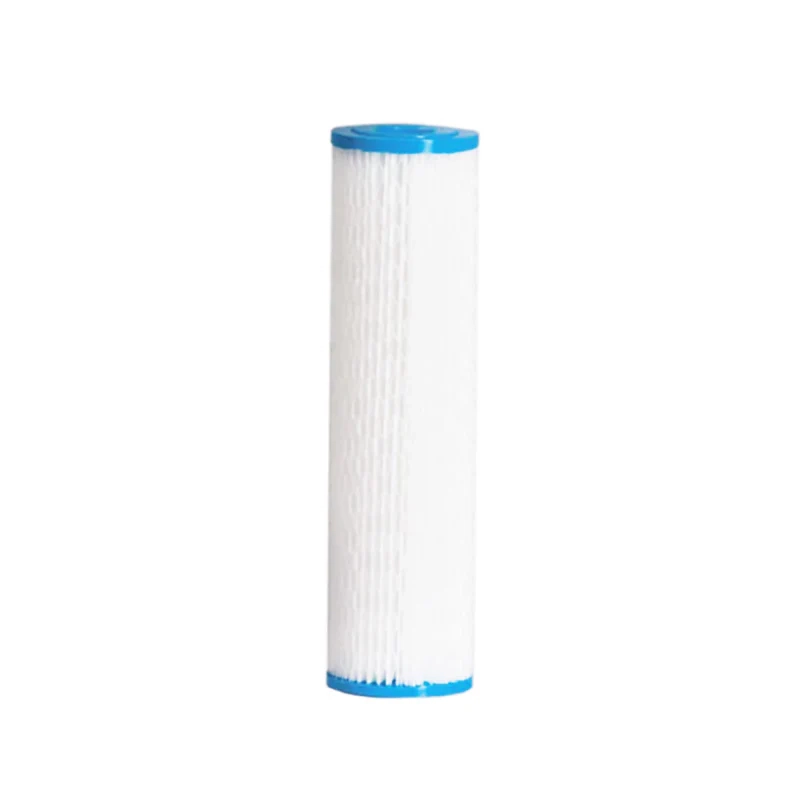
Standard 10 x 2.5 inch pleated poly cartridge rated at 5 micron. It is the second-stage pre-filter that removes fine sediment before the high-pressure pump, and it can be rinsed and reused.
Explore →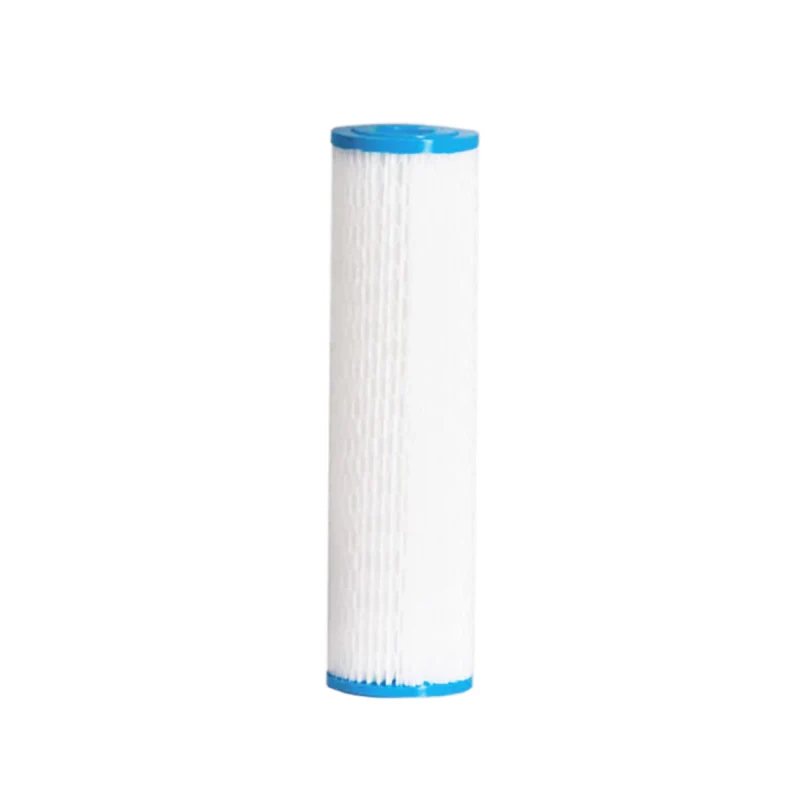
Standard 10 x 2.5 inch pleated poly cartridge rated at 20 micron. It is the first-stage pre-filter that removes larger sediment before the high-pressure pump, and it can be rinsed and reused.
Explore →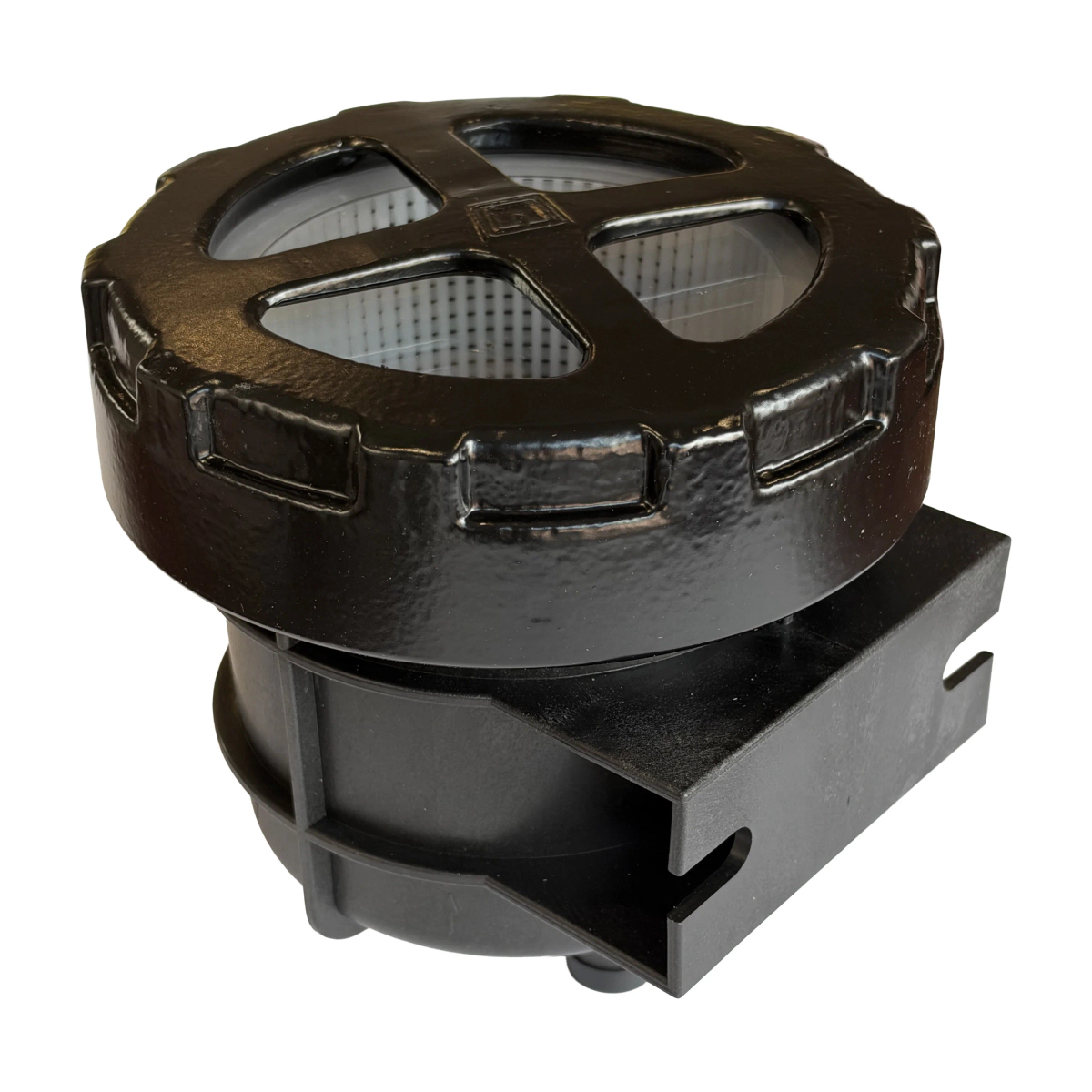
Seawater intake strainer with a clear inspection window, sold in 19 mm and 25 mm hose sizes. It catches weed and larger debris before the water reaches a watermaker feed pump.
Explore →
Push-to-talk radio that uses 4G mobile networks where there is coverage and a built-in 16-channel analog radio where there is none, with GPS and SOS. Sold as a two-pack.
Explore →