Loading this page…

Loading this page…
Sailing club
Tweed Valley Sailing Club (TVSC) is a volunteer-run dinghy club based at the Fingal Head boat harbour on the Tweed River, New South Wales. Operating from a modest clubhouse described as the “TVSC Container”, the club focuses on affordable, community-centred access to dinghy sailing, offering low-cost junior sessions, seasonal learning courses, boat hire and a Sail Pass that lets newcomers try sailing before joining. TVSC runs year-round racing (summer and winter series), junior programs, adult learn-to-sail courses and community Sailability-style outings, and regularly publishes results and event notices on its website.
About
Tweed Valley Sailing Club (TVSC) is a volunteer-run dinghy club based at the Fingal Head boat harbour on the Tweed River, New South Wales. Operating from a modest clubhouse described as the “TVSC Container”, the club focuses on affordable, community-centred access to dinghy sailing, offering low-cost junior sessions, seasonal learning courses, boat hire and a Sail Pass that lets newcomers try sailing before joining. TVSC runs year-round racing (summer and winter series), junior programs, adult learn-to-sail courses and community Sailability-style outings, and regularly publishes results and event notices on its website.
Service area: Fingal Head / Tweed River, New South Wales
Keep exploring
Tweed Valley Sailing Club is a community sailing club based at Fingal (near Fingal Boat Harbour) on the Tweed River, NSW. The club runs organised Sunday races with crew opportunities, offers Try Sailing and Learn-to-Sail courses for adults and juniors (including school-holiday programs), provides club dinghies and safety-boat support, and sells short-term sail passes and annual memberships. Activities include junior sailing programs, practical on-water training (capsize drill, sail handling, safety-boat practice) and occasional staged learn-to-sail courses.
Accessibility drives everything in the club's teaching setup, and its most distinctive offering is Sailability: "Armchair Sailing" outings for people with disability, both young and old, delivered by volunteers the club actively recruits to keep the program growing. Around that sits a junior program for ages seven to seventeen that runs most Sunday mornings from 8.30 to 11.00, priced at a hundred dollars a season or five dollars a session for junior members, with registration and sign-on and sign-off procedures that give parents clear accountability. School-holiday Learn to Sail courses open the same pathway to non-members, and the standard learn-to-sail progression is handled in the club's own training boats: X3s, Manly Juniors and Pacers, though sailors are welcome to bring their own.
Adults are not an afterthought. A dedicated pathway invites adults either to learn from scratch or to dust off skills long left ashore, and boat hire means the absence of a boat is never the reason someone doesn't sail. The Sail Pass arrangement, three days on the water before committing to membership, is a sensible soft entry that more clubs could copy.
Safety standards are taken seriously for a volunteer operation. Every volunteer must hold a Working With Children check, and rescue boat drivers must be licensed boat operators. There is no Discover Sailing Centre accreditation on record, but the structural ingredients of good grassroots coaching are all present: low ratios of cost to access, club-owned trainers in proven classes, and a racing calendar of summer and winter series plus club championship heats, with results published on HalSail, so a new sailor can see their progress measured in finishing places season by season.
Fingal Head is one of those far north coast places where geology puts on a show. The headland takes its name from columns of basalt, lava frozen into shape by the extinct Mount Warning volcano some twenty million years ago, which reminded early observers of Fingal's Cave in Ireland. Cook Island lies just offshore, and the Tweed River slides past the headland into the Pacific here, tidal and working, with the club based at the main boat ramp and boat harbour on Fingal Road. The clubhouse is, by the club's own cheerful description, a container, but there are toilets at the ramp and, as the club notes, a nice view of the river.
Being a tidal coastal river, the Tweed gives racing a different texture from lake sailing. Current and channel edges matter, and local knowledge about where the stream runs hardest is worth places on a beat. The coastal weather pattern delivers summer sea breezes from the south-east through north-east, while winter brings strong south-westerly changes; the boat ramp's forecast is issued as part of the Byron Coastal Waters zone covering Point Danger to Wooli.
Racing follows a disciplined format. A compulsory briefing at midday New South Wales time precedes usually two races a day, with the first start not before one o'clock, races of roughly 35 to 60 minutes and a time limit of an hour and twenty, all sailed under the Racing Rules of Sailing, with every boat required to carry third-party insurance. That structure, plus the annual rhythm of Summer and Winter Series running into August, means sailors here get more racing for their membership dollar than at many bigger, flashier clubs.
No founding date survives in the club's public record; its website carries no published history, and the earliest documentation lives in references within Tweed district sporting histories rather than in any club archive online. What those references make clear is that this is a long-established community institution, counted for decades among the shire's recognised sporting clubs in the same breath as Tweed Heads Rowing Club and the local surf life saving and bowls clubs.
The class history gives the best clues to the club's character over time. Corsairs, Impulses, Lasers and NS14s have all been raced on the river over the years, a spread that mixes one-design dinghies with the home-built plywood tradition the NS14 represents, and suggests a club that has always made room for different budgets and tastes. The junior side has its own lineage: Manly Juniors championships and club championship heats are woven through the club's racing traditions, and Manly Juniors remain in the training fleet today, a class with its own century-long pedigree on Sydney Harbour transplanted happily to the Tweed.
A small, telling artefact of the club's connections to the wider classic-dinghy world survives in the records of the VJ class community, which notes that a mast was donated to it by this very club — evidence of long-standing ties to Australia's home-grown junior training classes. Rather than a story of famous names and trophy cabinets, the history here is the quieter kind: generations of Tweed locals learning to handle a boat on their own river, in a club that has never stopped being run by the people who sail in it.
A practical cruising guide for the Moyne River port at the mouth of the Moyne River on Victoria’s south-west coast. It explains harbour geometry, seasonal conditions, principal sailing zones, anchorages, visitor facilities, known local hazards (bar, reefs, strong currents, surf and commercial traffic), regulatory controls and realistic experiences for day sailors, trailer-sailors and coastal cruisers. The guide draws on local port plans, state boating authorities, the yacht club’s visiting-boat practice and regional marine management documents.

Legal safety equipment for recreational boats in South Australia depends on the type, size and where you operate; you must check the current SA government requirements for your vessel. Independently of legal minimums, carry a sensible set of recommended items (lifejackets, means of communication, signaling, fire protection, anchor and basic tools) and make them usable and maintained.
Explore →
A regular, layered maintenance routine combining hull cleaning, targeted anti-fouling management, cathodic protection and systems checks will substantially reduce marine growth and corrosion for boats kept year‑round in South Australian waters. Focus on preventing attachment and electrochemical attack, then inspect and act more often if you’re in warm, nutrient-rich or high‑traffic sheltered waters.
Explore →
Look for a friendly club with beginner-focused training, accessible facilities and boats, a supportive community, clear safety practices, and opportunities to progress at your own pace.
Explore →
Do a seasonal inspection and servicing routine that focuses on hull and antifouling, through-hulls and seacocks, rigging and sails, engine and fuel systems, electricals and batteries, safety gear and bilge systems. Tailor exact tasks to your boat type, age and where you sail in South Australia, and follow manufacturer and marine service advice for anything technical.
Explore →
A practical guide for new sailors on picking the right Australian sailing club: training, boat access, racing, social fit, costs and the key questions to ask before joining.
Explore →
Buying a Sailing Boat
Explore →Practical guide for recreational sailors planning passage on the Hawkesbury River: how to plan around tides, choose anchorages, read local conditions and prepare the boat and crew for a safe, comfortable trip.
Explore →A practical guide to preparing, planning and executing a recreational offshore passage along the New South Wales coast. Covers route selection, weather and tidal considerations, vessel and crew checks, safety equipment, communication, watchkeeping and common mistakes, with clear pre‑departure and underway checklists.
Explore →Burke Yachtsman Gear Bag 40L - Shop Now Zip Pay | Tamar Marine Skip to content 59 – 63 Holbrook Street, Invermay Online Shop Open 24/7 Products search Contact us 1300 MARINE $ 0.00 0 Cart Burke Yachtsman Gear Bag 40L $ 79.90 Colour Choose an option Black Blue Black Blue Clear - Burke Yachtsman Gear Bag 40L quantity + Add to cart Enquire about this product SKU BAGB-Y24/BLACK* Category Bags - Sail & Gear A Burke classic and customer favourite, the Yachtsman’s Gear Bag is built tough to handle wet, salty conditions while keeping your gear dry and protected. Made from double coated waterproof…
Explore →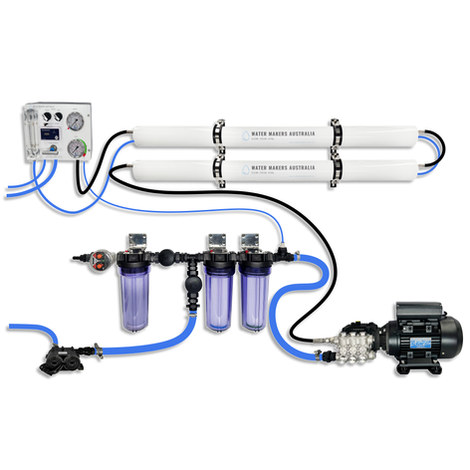
A two-membrane modular watermaker with 140 L/h nominal output, aimed at families and liveaboards that want more water per run.
Explore →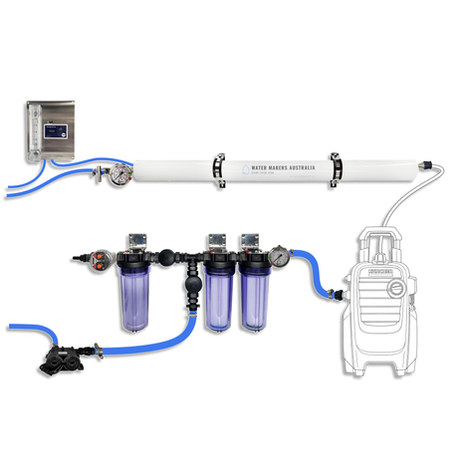
A one-membrane modular marine watermaker with 80 L/h nominal output, remote stainless control panel, standard consumables and direct Australian support.
Explore →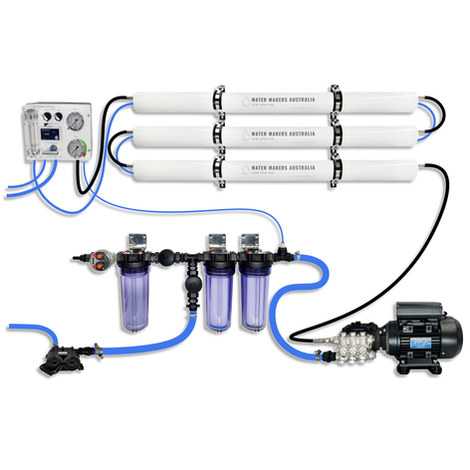
A three-membrane modular watermaker with 200 L/h nominal output and up to 240 L/h family-level marketing, for larger crews and heavy use.
Explore →