Loading this page…

Loading this page…
Sailing club
Balmoral Sailing Club is a volunteer-run dinghy club based at the eastern end of Balmoral Beach in Mosman (Middle Harbour), Sydney. The club runs active junior and adult programs, Saturday club racing (September–April), twilight racing in daylight saving, and supports large RS Aero and windsurfer fleets. On-site racking for dinghies and boards, social events and a visitor Temporary SailPass make the club accessible to new sailors and families.
About
Balmoral Sailing Club is a volunteer-run dinghy club based at the eastern end of Balmoral Beach in Mosman (Middle Harbour), Sydney. The club runs active junior and adult programs, Saturday club racing (September–April), twilight racing in daylight saving, and supports large RS Aero and windsurfer fleets. On-site racking for dinghies and boards, social events and a visitor Temporary SailPass make the club accessible to new sailors and families.
Service area: Balmoral Beach, Middle Harbour (Mosman), Sydney
Keep exploring
Balmoral Sailing Club is a volunteer-run sailing club based at the eastern end of Balmoral Beach (Mosman, NSW). The club runs organised sailing and racing programs for adults and juniors, including a Junior Sailing program (Open Skiffs, Lasers, RS Aeros, etc.), twilight and Saturday racing, class fleets and mentoring. The club provides boat racking for many dinghies and windsufers, social events and a renovated clubhouse overlooking the water. Balmoral Water Sports Center operates from the clubhouse and offers lessons, equipment hire and junior pathways (Tackers through junior courses).
Balmoral's training operation runs on an unusual and effective partnership: the club provides the racing pathway and volunteer culture, while the Balmoral Water Sports Center, operating from the clubhouse, delivers the formal instruction. Kids from seven start in Tackers through the Center, then step across into the club's Junior Sailing program once they're confident — a handover that turns a commercial learn-to-sail course into lifelong club membership.
The junior program itself runs Saturday mornings from 8.30 to noon, September to May, with qualified coaches and parents helping rig and support on the water. The open fleet currently features Manly Juniors, OpenBics and Windsurfers, with loaner boats and racking available so families don't need to buy a boat on day one. For adults, the Water Sports Center delivers courses from beginner to advanced out of the same clubhouse and hires out Hobie Cats, paddleboards, kayaks and windsurfers — making the beach a genuine one-stop sailing precinct.
Where the club adds distinctive value is in the transition to racing, the point where so many learn-to-sail graduates drift away. Prospective members can test-sail the club's RS Aeros and windsurfers before committing, class captains advise on buying a first boat, and mentoring is available for new racers. That scaffolding matters especially for the club's two signature classes: someone stepping out of Tackers or an adult beginner course can see a visible, supported route all the way to racing in fleets the club describes as the biggest of their kind in the country.
Visitors sampling the scene race free on a Temporary SailPass, and the under-30 half-price structure keeps the pathway affordable for exactly the age group sailing most often loses.
The clubhouse stands at the eastern end of Balmoral Beach in Mosman, on the Middle Harbour side of Sydney Harbour, with the water right at its doorstep. Balmoral's crescent is one of the harbour's calmest swimming beaches, and the same shelter that pleases swimmers makes the bay kind water for learners: protected from ocean swell, with reliable afternoon sea breezes filling in across the moorings. The club's position is recognised formally, too — the Balmoral Reserves Plan of Management names the sailing club among Balmoral Park's key recreational resources.
Under the clubhouse sits racking for 90 boats and windsurfers, with kayak and SUP storage available on the upper racks, so the membership's fleet lives on site and rigs on the beach. After Saturday racing the verandah fills for the barbecue, and the whole operation has the feel of a beach club that happens to be serious about its sailing. The racing season runs September to April on Saturdays, supplemented by Thursday twilight racing in daylight saving and year-round activity from the Aero and Windsurfer fleets.
The waters off Balmoral have hosted more than weekly club racing over the years. The Australian Sharpie Championship was sailed off the beach in March 1994, the RS Aero NSW State Championships came to the club in 2018 — won by home sailor Nick Collis-George — and the Windsurfer NSW Mid-Winters ran here in 2025 across multiple divisions. Neighbours include the Balmoral Beach Club, the 1st Port Jackson Sea Scouts and the HMAS Penguin naval base, making this stretch of Middle Harbour one of the most maritime-minded corners of Sydney.
The club was established on 24 July 1945 as the Balmoral 12ft Skiff (Sailing) Club, later shortened to Balmoral Sailing Club. Its founders were barely out of school: Bob Oatley was 17 and Bill Buckle 19 when they pulled the club together in the war's final weeks. Within a few years the fleet had grown to fifteen 12ft skiffs racing each season. A local history memoir dates the club's beginnings to 1946, a small discrepancy with the 1945 establishment date, but the club's 70th anniversary in 2015 confirms the earlier year.
The founders' later fame gives the little club an outsized place in Australian sailing history. Oatley — later AO — built the Hamilton Island marine empire and campaigned the supermaxi Wild Oats line to Sydney Hobart glory, while Buckle, later OAM, became a towering figure in yacht design and manufacture. In 2015 both men received Yachting Australia Lifetime Achievement Awards, and the club they started as teenagers celebrated its seventieth year the same season.
The post-war Middle Harbour scene around the club was lively and cooperative: the separate Balmoral Moth Club was among the clubs that combined with MHYC, the Middle Harbour 16ft Skiff Club, the VJ clubs and Seaforth Moth Club to bring the Middle Harbour Regatta back in 1959. Championship racing followed in later decades — the Australian Sharpie Championship off Balmoral in March 1994, the RS Aero NSW States in 2018, and the Windsurfer NSW Mid-Winters in 2025. The clubhouse has recently been renovated, with racking for 90 boats and boards beneath it, and the volunteer-run structure remains exactly what its teenage founders would recognise: a beach, a fleet, and a club built to get people sailing.
American River (Kangaroo Island, SA) is a small, sheltered inlet and township on the north‑eastern side of Kangaroo Island that acts as a calm staging point for cruising the eastern part of the island and for short hops through Backstairs Passage. It’s distinctive for its protected anchorage inside Eastern Cove and the adjacency of Pelican Lagoon — a shallow, ecologically important lagoon with sanctuary zoning — which shapes how and where boats can move. The area suits sheltered day sailing, weekend cruising and short coastal passages; it’s appropriate for trailer sailors, small cruisers and a

Look for a friendly club with beginner-focused training, accessible facilities and boats, a supportive community, clear safety practices, and opportunities to progress at your own pace.
Explore →
Late spring to summer is usually the best time for beginners to start learning to sail in Tasmania because the weather is generally warmer, days are longer and conditions are often more settled. Expect lighter to moderate winds with regular afternoon sea breees in summer, while spring and autumn bring more changeable and sometimes stronger conditions; winter is colder, wetter and typically windier with more fronts and swell.
Explore →
Pick a protected bay, estuary or river reach where you can rig, launch and arrive on calm water within a short, sheltered transit; choose a site with a good ramp or jetty, clear recovery options and a nearby sailing club, marina or commercial operator for local knowledge and help.
Explore →
Rig and de-rig a small dinghy by following a consistent, step-by-step sequence: prepare the boat on shore, fit spars and foils in a stable order, control sails and running rigging so lines don’t tangle, check fittings and safety gear, and reverse the process when coming ashore—always working with a partner when possible and staying aware of wind and tide.
Explore →
A practical guide for new sailors on picking the right Australian sailing club: training, boat access, racing, social fit, costs and the key questions to ask before joining.
Explore →A concise, practical introduction to the essential parts of a recreational sailing boat for beginners in Australia. Covers hull, deck, rigging, sails, steering, below-decks spaces and safety equipment, with simple explanations, common mistakes and a pre-decast checklist to help new sailors communicate and get underway.
Explore →A practical, step‑by‑step guide for recreational sailors on Sydney Harbour covering navigation, local weather and tides, safe anchoring, berthing, common routes, rules of the road, and useful checklists tailored to Australian conditions.
Explore →
A practical, Australia-focused guide for planning and sailing around the Whitsunday Islands: weather and seasons, navigation and anchoring, moorings and parks, provisioning and charters, safety and common mistakes, plus checklists and next steps.
Explore →Burke Yachtsman Gear Bag 40L - Shop Now Zip Pay | Tamar Marine Skip to content 59 – 63 Holbrook Street, Invermay Online Shop Open 24/7 Products search Contact us 1300 MARINE $ 0.00 0 Cart Burke Yachtsman Gear Bag 40L $ 79.90 Colour Choose an option Black Blue Black Blue Clear - Burke Yachtsman Gear Bag 40L quantity + Add to cart Enquire about this product SKU BAGB-Y24/BLACK* Category Bags - Sail & Gear A Burke classic and customer favourite, the Yachtsman’s Gear Bag is built tough to handle wet, salty conditions while keeping your gear dry and protected. Made from double coated waterproof…
Explore →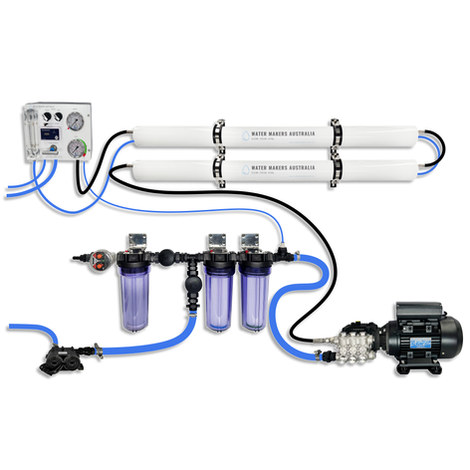
A two-membrane modular watermaker with 140 L/h nominal output, aimed at families and liveaboards that want more water per run.
Explore →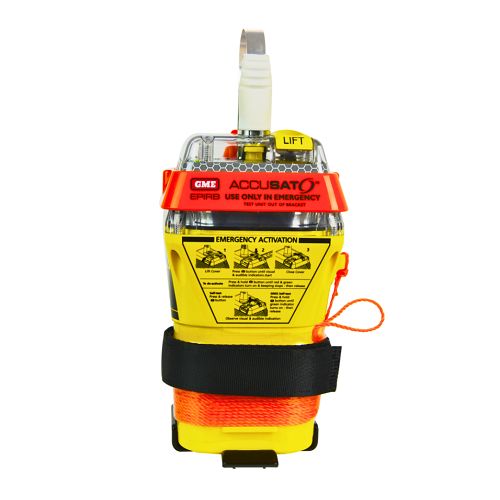
A 10‑year battery EPIRB with integrated GNSS (supports GPS and Galileo), infrared strobe and 121.5 MHz homing signal. Approved for worldwide COSPAS‑SARSAT operation.
Explore →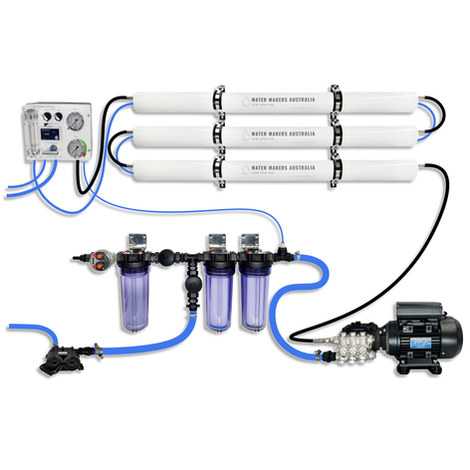
A three-membrane modular watermaker with 200 L/h nominal output and up to 240 L/h family-level marketing, for larger crews and heavy use.
Explore →