Loading this page…

Loading this page…
Sailing club
Bendigo Yacht Club is a family-centred sailing club based at Lake Eppalock (Eppalock, VIC). The club runs competitive racing, cruising and social programs, and offers learn-to-sail programs (an accredited Discover Sailing Centre) including Sailability Bendigo for all abilities. Facilities listed include a clubhouse (kitchen, lounge, bathrooms, decking), BBQ and dining areas, jetty, swimming area, launching ramps, rescue facilities, camping and limited caravan sites, boat storage and a playground. Weekly training sessions and a racing calendar with trophy series and club championships are promoted on the site.
About
Bendigo Yacht Club is a family-centred sailing club based at Lake Eppalock (Eppalock, VIC). The club runs competitive racing, cruising and social programs, and offers learn-to-sail programs (an accredited Discover Sailing Centre) including Sailability Bendigo for all abilities. Facilities listed include a clubhouse (kitchen, lounge, bathrooms, decking), BBQ and dining areas, jetty, swimming area, launching ramps, rescue facilities, camping and limited caravan sites, boat storage and a playground. Weekly training sessions and a racing calendar with trophy series and club championships are promoted on the site.
Service area: Lake Eppalock, Eppalock, VIC
Keep exploring
The alumni list reads like an America's Cup program. Glenn Ashby — Olympic silver medallist, multiple world champion and wing trimmer on BMW Oracle's America's Cup-winning trimaran — learned to sail at Bendigo Yacht Club, as did A-Class catamaran world champions Allan and Greg Goodall and Nacra world champion Adam Beattie. The club markets Lake Eppalock's waters as, in its own words, "the perfect breeding grounds" for the world's best sailors, and while that is plainly promotional, the names above give it unusual substance for a club based on an irrigation reservoir between Bendigo and Heathcote.
The club itself is a mixed fleet operation — keelboats and dinghies sharing the lake — with a family-centred culture spanning competitive racing, cruising and a full social program. Members enjoy unlimited year-round access to the facilities, day or night, including for private entertaining, which says something about how the place is trusted and used. It runs on the familiar country-club model of working bees and weekend volunteering, and it communicates through a regular newsletter, "Mainsheet", and published race results.
In late 2025 the club recruited a new sail-training team, a signal of renewed investment in the development pipeline that produced those famous graduates. An accredited Australian Sailing Discover Sailing Centre, it balances a busy racing calendar — trophy series, club championship, the annual Ice Breaker Regatta — with cruising and social events, making it as much a lakeside community hub as a competition venue — a place where the caravan stays hitched all summer and the barbecue works as hard as the race officer.
All-abilities access is the standout element of Bendigo's training story. Through Sailability Bendigo, sailing is open to people with disability as part of the club's comprehensive learn-to-sail program, delivered by qualified Australian Sailing instructors under the club's Discover Sailing Centre accreditation. Weekly sail training runs on Saturday mornings, giving juniors and adults a consistent, repeating slot through the season rather than relying solely on holiday intensives.
The standard pathway runs through the national junior syllabus into club racing, but the structure at the racing end is what keeps graduates engaged. Two trophy series run during the year in conjunction with an overall Club Championship, so a developing sailor always has both a short-series target and a season-long campaign to measure against. Fun trophy races leaven the serious stuff, and a cruising program and regular social events keep non-racers — and racers' families — inside the club's orbit. The new training team recruited in late 2025 should sharpen all of this further.
The annual Ice Breaker Regatta is the fixture that opens the season with a shiver, drawing fleets onto Lake Eppalock in mid-September. For a club with a track record of producing world-beaters, the logic is clear: broad, inclusive entry at the bottom through Sailability and weekend training; structured competition in the middle through twin trophy series and the championship; and a lake at the top of it all whose shifting winds, as the Goodalls and Ashby discovered, teach sailors to think. It is a country-club program with an elite production line hidden inside it.
Lake Eppalock is a big inland sea by Victorian standards — around 8,000 acres at full capacity with an average depth near 31 feet — a Campaspe River impoundment lying between Bendigo and Heathcote. The club sits at 45 Sunset Drive on the lake's shore. Reservoir sailing has its own character: the water level rises and falls with irrigation demand, the surrounding farmland and low hills funnel the wind in shifting patterns, and the sheer size of the lake means courses can be set well clear of any shore effects. Those changeable conditions are precisely what the club credits with toughening its best sailors.
The facility list is more holiday park than yacht club, and proudly so. The clubhouse comes with kitchen, lounge, television, bathrooms and decking; there's a licensed bar on weekends, a huge barbecue with indoor and outdoor dining, a jetty, a swimming area, boat storage, launching ramps, rescue facilities, a playground, camping grounds and a handful of caravan-park spaces. Families can — and do — make a full weekend of it, camping by the lake while the sailing unfolds around them. Members' unlimited 24/7 access extends that hospitality year-round.
The lake itself is comparatively young. Works officially commenced on 9 June 1960, when Sir Henry Bolte, the Premier, detonated the first charge, and the reservoir was officially opened by Bolte in April 1964, at the time Victoria's fourth-largest, holding over 250,000 acre-feet. The sailing club was formed while the lake was still filling, and the two have grown up together: irrigation storage by design, but in practice one of central Victoria's great recreational waterways, with the yacht club as its most decorated tenant.
Bendigo Yacht Club was born alongside its lake. A public meeting in Heathcote's RSL hall, reported in the McIvor Times on 29 August 1962, formed the club just as Lake Eppalock was beginning to fill behind its new dam wall. By late 1963 sailing was firmly established, and the young club had already hosted its first regatta — brisk progress for an organisation racing on water that hadn't existed three years earlier. The club has since published its own account, "A Brief History 1962 to 2002", available from its website, preserving the detail of those first four decades.
The timing mattered. Lake Eppalock was one of the great post-war nation-building projects in regional Victoria — the state's fourth-largest reservoir when Premier Bolte opened it in April 1964 — and like several Victorian sailing clubs of that era, the Bendigo club rode the wave of new inland water. Reservoir clubs offered something the bay clubs couldn't: cheap, uncrowded water within reach of country towns, room for camping and caravans, and a social model built around weekends at the lake rather than afternoons at a marina. Bendigo embraced all of it, and the facilities that grew up at Sunset Drive reflect that lakeside-holiday character.
The club's proudest historical claim is its graduates. Glenn Ashby's trajectory from Eppalock junior sailing to the America's Cup — victorious with BMW Oracle Racing, then second with Emirates Team New Zealand in 2013 — is the headline, but Allan Goodall's multiple A-Class catamaran world titles, Greg Goodall's world championships across catamaran classes and Adam Beattie's Nacra world crown make the depth of the talent line clear. Sixty years on from that Heathcote RSL meeting, the club is investing again, with a fresh sail-training team recruited in late 2025 to coach the next generation on the same reservoir water.
A practical cruising guide to Lake Burley Griffin, the artificial central lake in Canberra. Covers the lake’s geography, prevailing conditions, main sailing zones, principal anchorages and visitor stops, launch and arrival considerations, onshore facilities and services, local hazards and limitations, rules and environmental responsibilities, suggested sailing experiences and a clear assessment of who benefits most from visiting by boat.

Look for a friendly club with beginner-focused training, accessible facilities and boats, a supportive community, clear safety practices, and opportunities to progress at your own pace.
Explore →
Late spring to summer is usually the best time for beginners to start learning to sail in Tasmania because the weather is generally warmer, days are longer and conditions are often more settled. Expect lighter to moderate winds with regular afternoon sea breees in summer, while spring and autumn bring more changeable and sometimes stronger conditions; winter is colder, wetter and typically windier with more fronts and swell.
Explore →
Expect very different seasonal systems across Western Australia: the south‑west (Perth to Albany) has a strong summer afternoon sea breeze (the “Fremantle Doctor”) and winter westerly fronts, while northern WA follows a wet/dry monsoonal cycle with strong seasonal onshore winds, thunderstorms and cyclone risk in the wet season. Local headlands, estuaries and tidal flows often change what you actually feel on the water, so learn the local timing and sheltered venues first.
Explore →
Pick a stable, simple, forgiving dinghy with a single sail or basic sloop rig, affordable handling and easy maintenance—ideally one with a local class or school nearby so you can access coaching and spare parts.
Explore →
A concise, practical guide to the points of sail and how to trim sails effectively for common Australian conditions. Learn the basics of wind angles, sail shape, telltales, reefing considerations and simple steps to improve boat speed and balance.
Explore →
A practical guide for new sailors on picking the right Australian sailing club: training, boat access, racing, social fit, costs and the key questions to ask before joining.
Explore →A practical guide for recreational sailors planning visits to Albany and King George Sound. Covers the main anchorage areas, typical local weather patterns, tidal and current considerations, navigational hazards, on-the-water etiquette and a pre-departure checklist to help you plan a safe passage and enjoyable stopover
Explore →A practical guide for recreational sailors planning voyages to Esperance and the Recherche Archipelago: what to expect, key planning considerations, common anchorages, safety and communications, equipment recommendations and sensible steps for a successful trip in this remote southern WA cruising area.
Explore →Burke Yachtsman Gear Bag 40L - Shop Now Zip Pay | Tamar Marine Skip to content 59 – 63 Holbrook Street, Invermay Online Shop Open 24/7 Products search Contact us 1300 MARINE $ 0.00 0 Cart Burke Yachtsman Gear Bag 40L $ 79.90 Colour Choose an option Black Blue Black Blue Clear - Burke Yachtsman Gear Bag 40L quantity + Add to cart Enquire about this product SKU BAGB-Y24/BLACK* Category Bags - Sail & Gear A Burke classic and customer favourite, the Yachtsman’s Gear Bag is built tough to handle wet, salty conditions while keeping your gear dry and protected. Made from double coated waterproof…
Explore →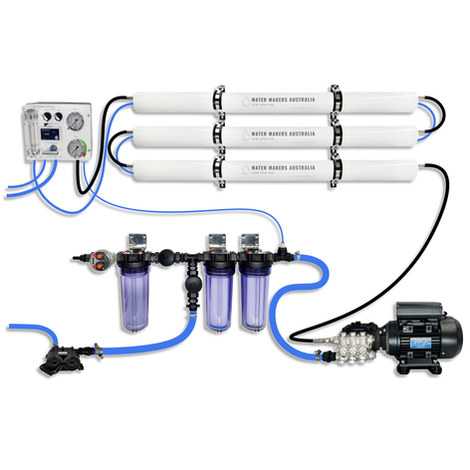
A three-membrane modular watermaker with 200 L/h nominal output and up to 240 L/h family-level marketing, for larger crews and heavy use.
Explore →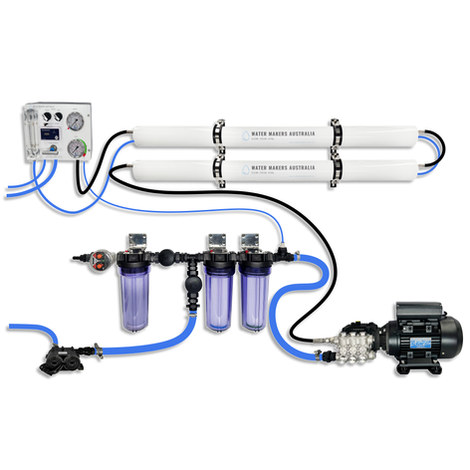
A two-membrane modular watermaker with 140 L/h nominal output, aimed at families and liveaboards that want more water per run.
Explore →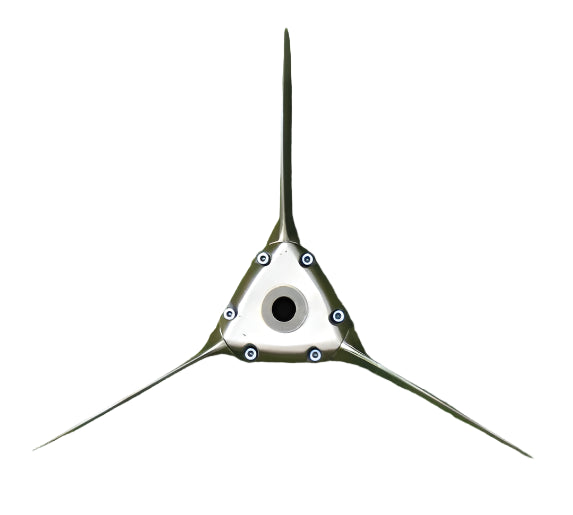
Feathering propeller designed for larger cruising yachts. Diameter range 18"–25"; shaft range 1¼"–1¾"; hub lengths 120mm or 165mm (with anode). Sail drive option available.
Explore →