Loading this page…

Loading this page…
Sailing club
Brisbane Valley Sailing Club is a small, volunteer-run off‑the‑beach club based on the northern shore of Lake Wivenhoe (Hayes Landing / Billies Bay area) in South East Queensland. The club runs a season of trailer-boat racing for single‑hulled dinghies and multihulls and organises an annual Winter Marathon (first weekend in June) that draws up to around 100 visiting boats. Membership is deliberately small (around 10–15 active members) and the club welcomes competent visiting sailors and trailerable boats for its events.
About
Brisbane Valley Sailing Club is a small, volunteer-run off‑the‑beach club based on the northern shore of Lake Wivenhoe (Hayes Landing / Billies Bay area) in South East Queensland. The club runs a season of trailer-boat racing for single‑hulled dinghies and multihulls and organises an annual Winter Marathon (first weekend in June) that draws up to around 100 visiting boats. Membership is deliberately small (around 10–15 active members) and the club welcomes competent visiting sailors and trailerable boats for its events.
Service area: Lake Wivenhoe (Hayes Landing, Billies Bay, Logan's Inlet) — northern shore, South East Queensland
Keep exploring
Brisbane Valley Sailing Club is a small, community sailing club based on the northern shores of Wivenhoe Dam (Lake Wivenhoe) in Queensland. The club runs racing for off-the-beach single- and multi-hull boats, holds club events at Hayes Landing, and organises an annual Winter Marathon (open-invitation event held at Logan’s Inlet). The club describes a long history (40+ years) and a small membership (around 10–15 members).
Honesty first: Brisbane Valley runs no learn-to-sail program, no Tackers courses and no Discover Sailing operation, and its website offers no training pathway at all. With a membership of ten to fifteen experienced hands, the club's energy flows entirely into racing — newcomers wanting instruction should look to the larger training clubs around Brisbane, while sailors who can already handle a boat will find a warm welcome and a start line here.
The year's unquestioned centrepiece is the Winter Marathon, an open off-the-beach fixture sailed over the first weekend of June from Logan's Inlet. Up to a hundred boats typically make the trip — an organisational feat for a committee small enough to seat at one picnic table — drawn by long-format lake racing and the inlet's modern camping ground. Around that anchor, the club conducts a season of regular races from Hayes Landing open to any trailerable dinghy or multihull, governed by a published calendar and formal sailing instructions; the 2025–26 season documentation is already current, a level of administrative diligence many larger clubs would envy.
The fleet is eclectic by design: dinghies and cats of varied pedigree, with Weta trimarans featuring strongly in recent club imagery. No formal class list is published, because the entry rule is effectively "if it fits on a trailer, bring it". That openness, sustained for nearly five decades, is the club's real program. Visitors towing a boat to the marathon need nothing more than the published sailing instructions and a camping booking; the welcome, by all accounts, does the rest.
Lake Wivenhoe exists because of catastrophe: it is Brisbane's principal water storage, created when Wivenhoe Dam was constructed in the wake of the disastrous 1974 flood. The club makes its home along the lake's northern shoreline, conducting regular racing from Hayes Landing in the Billies Bay and Hayes Inlet area — water the club had to wait the better part of a decade to reach, sailing there only from 1987.
The setting is classic Australian lake country: wide reaches of open water wrapped in bushland, remote enough to feel like an escape yet close enough to Brisbane for a day trip. Shore facilities are shared with the public. In 2016 Seqwater threw Hays Landing and Billy's Bay back open to general visitors and upgraded the recreation reserve, so club sailors now rig in a well-maintained public space rather than behind the members-only arrangements of earlier times.
Come June, the scene shifts west to Logan's Inlet, where up-to-date camping lets marathon visitors turn the event into a full weekend. The club publishes no wind or weather data specific to its courses, but a large storage lake ringed by hills offers dependable room for off-the-beach racing without coastal swell, tidal currents or shipping traffic to dodge. The club's first home was much smaller water altogether — Atkinson's Dam, where racing began in September 1978 and continued until the Wivenhoe move.
Between the two impoundments, the club has spent close to half a century sailing the very storages that keep South East Queensland supplied.
It began, the club's own account records, with two men sitting on a bank. In the early months of 1978 Fred Weber and Barry Neden were talking sailing beside Atkinson's Dam when the idea of a club took hold. They placed a notice in the Queensland Times calling interested sailors together; a steering committee emerged from the first gathering, and at the second general meeting Barry Neden took the helm as inaugural Commodore, with Barry Kilmister of Gatton as first Secretary.
Racing commenced that September on Atkinson's Dam, the fleet comprising mostly dinghies with a handful of catamarans. Ambition reached further almost immediately: during that first year the club approached the Co-ordinator General's Department — the state authority then building Wivenhoe Dam — seeking a sailing site on the future lake. Permission to use the Billies Bay and Hayes Inlet area arrived in the early 1980s, yet sailing there only began in 1987, and initially on a members-only footing, with fishermen and other lake users admitted as associate members.
Corporate structure followed in 2006, when the body incorporated as Brisbane Valley Sailing Club Inc. A decade later the balance with the public shifted again: Seqwater's 2016 re-opening of Hays Landing and Billy's Bay, with upgraded facilities, ended the exclusive-access era while delivering the best shore infrastructure the club has enjoyed. Through every chapter the Winter Marathon has grown in stature — a hundred-boat open event delivered annually by one of the smallest memberships in Queensland sailing, and a quietly remarkable organisational achievement.
A detailed sailing guide to the Tollgate Islands area on the NSW south coast, focused on Batemans Bay, the Clyde River entrance and nearby sheltered waters. The guide explains geography, typical conditions, principal sailing zones, anchorages and moorings, facilities ashore and practical arrival notes. It highlights local hazards — exposed heads, shifting sand, bird-protection restrictions and commercial traffic — and outlines local rules and responsible-access requirements. Several suggested sailing experiences are provided for day sailors, weekend cruisers and passagemakers, with clear notes

Use ramps and beaches with respect for local conditions: check ramp layout, tide and swell, wind direction, vehicle access and crowding; prepare boat and crew before you launch or retrieve; and follow local signage, courtesy and safety practices. Specifics vary by ramp and beach, so confirm details for the exact site before you go.
Explore →
Do a seasonal inspection and servicing routine that focuses on hull and antifouling, through-hulls and seacocks, rigging and sails, engine and fuel systems, electricals and batteries, safety gear and bilge systems. Tailor exact tasks to your boat type, age and where you sail in South Australia, and follow manufacturer and marine service advice for anything technical.
Explore →
Yes — South Australian coastal waters include marine parks, aquatic reserves, harbour bylaws and local council restrictions that can affect anchoring, fishing, mooring and access; check the relevant state agencies, local councils and Notices to Mariners for location-specific rules and permit requirements.
Explore →
Look for a friendly club with beginner-focused training, accessible facilities and boats, a supportive community, clear safety practices, and opportunities to progress at your own pace.
Explore →
A practical guide for new sailors on picking the right Australian sailing club: training, boat access, racing, social fit, costs and the key questions to ask before joining.
Explore →A concise, practical introduction to the essential parts of a recreational sailing boat for beginners in Australia. Covers hull, deck, rigging, sails, steering, below-decks spaces and safety equipment, with simple explanations, common mistakes and a pre-decast checklist to help new sailors communicate and get underway.
Explore →
A practical guide to Queensland’s top sailing areas, what to expect from each region, seasonal and safety considerations, suggested itineraries and useful planning checklists for recreational sailors.
Explore →A practical guide for recreational sailors planning day sails or short cruises on Lake Macquarie. Covers the entrance, navigation considerations, popular anchorages, local weather and tide influences, mooring etiquette, safety checks and suggested itineraries around the lake.
Explore →Burke Yachtsman Gear Bag 40L - Shop Now Zip Pay | Tamar Marine Skip to content 59 – 63 Holbrook Street, Invermay Online Shop Open 24/7 Products search Contact us 1300 MARINE $ 0.00 0 Cart Burke Yachtsman Gear Bag 40L $ 79.90 Colour Choose an option Black Blue Black Blue Clear - Burke Yachtsman Gear Bag 40L quantity + Add to cart Enquire about this product SKU BAGB-Y24/BLACK* Category Bags - Sail & Gear A Burke classic and customer favourite, the Yachtsman’s Gear Bag is built tough to handle wet, salty conditions while keeping your gear dry and protected. Made from double coated waterproof…
Explore →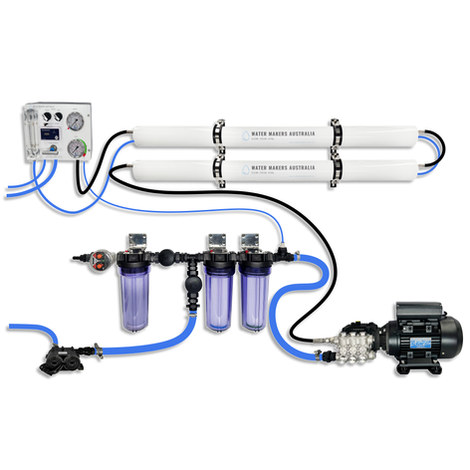
A two-membrane modular watermaker with 140 L/h nominal output, aimed at families and liveaboards that want more water per run.
Explore →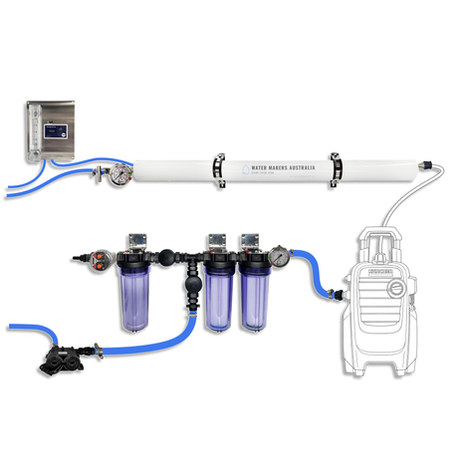
A one-membrane modular marine watermaker with 80 L/h nominal output, remote stainless control panel, standard consumables and direct Australian support.
Explore →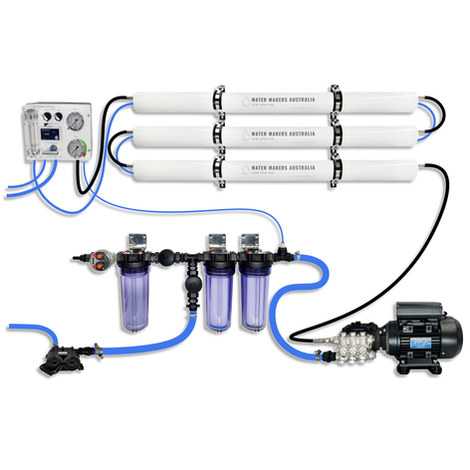
A three-membrane modular watermaker with 200 L/h nominal output and up to 240 L/h family-level marketing, for larger crews and heavy use.
Explore →