Loading this page…

Loading this page…
Sailing club
Cowes Yacht Club is a yacht and sailing club on Phillip Island (Cowes) overlooking Western Port. The club runs a program of on-water events and regattas for off-the-beach boats and trailer yachts, hosts community sailing events (eg. Discover Sailing Day, Around French Island Catamaran Challenge, Westernport Challenge) and offers learn-to-sail courses and junior programs (Start Sailing, Tackers, OutThere, Greenfleet). New and social members are welcomed; the website lists a club calendar and contact details for bookings and enquiries.
About
Cowes Yacht Club is a yacht and sailing club on Phillip Island (Cowes) overlooking Western Port. The club runs a program of on-water events and regattas for off-the-beach boats and trailer yachts, hosts community sailing events (eg. Discover Sailing Day, Around French Island Catamaran Challenge, Westernport Challenge) and offers learn-to-sail courses and junior programs (Start Sailing, Tackers, OutThere, Greenfleet). New and social members are welcomed; the website lists a club calendar and contact details for bookings and enquiries.
Service area: Cowes, VIC
Keep exploring
Nearly everything you see at Cowes Yacht Club was put there by its own members' hands. Perched on a north-facing beach at Cowes, the main town on Phillip Island, the club looks straight across Western Port toward the Mornington Peninsula and runs a dual sailing life: off-the-beach boats and trailer yachts, with social members folded warmly into the mix. The volunteer building tradition is not a quaint historical footnote but the club's defining trait — clubhouse, ramps and extensions were largely raised by members' own labour, from hand-dug foundations in the early 1960s to a heavy timber ramp engineered to resist the sea and shipworm.
That self-reliance once extended well beyond the club's own fence: Cowes was a founding force in the Western Port Safety Council, the volunteer radio and rescue network the region's clubs created because no government coverage existed, and its rescue boat Trojan famously helped save all eighty passengers when the Eagle Star ferry, inbound from Stoney Point, went down near the Cowes jetty. Racing carries a neighbourly edge.
Cowes maintains a long triangular rivalry with Phillip Island's other clubs, Rhyll Yacht Club and Newhaven Yacht Squadron, contesting a series trophy in trailable yachts, and it is part of Yachting Western Port, the association that runs the bay's Challenge series events for off-the-beach boats, junior skippers, keel boats, trailer yachts and multihulls. An annual Discover Sailing Day each January keeps the door open to holidaymakers and locals alike.
For families basing a Phillip Island summer around the water, Cowes is the natural harbour: unpretentious, handy to town, and run by people who built it themselves.
Cowes puts its learn-to-sail weight behind the full Australian Sailing pathway, but with a distinctly local shape: the emphasis falls on getting whole families afloat during the island's long holiday season. The flagship entry point is the annual Discover Sailing Day in early January, timed for peak summer, when visitors and locals can try the sport on the club's own beach.
From there the ladder is complete — Tackers 1 through 3 for children, Start Sailing 1 and 2 in dinghies including dedicated adult courses, and OutThere Sailing aimed squarely at teenagers aged twelve to seventeen — and the club appears on Bass Coast Shire's tourism listings as a Discover Sailing program venue, underlining its role as the island's public sailing school. Where Cowes diverges from the standard script is in what happens after the courses.
Racing development is organised cooperatively across Western Port: through Yachting Western Port, the club helps run the Western Port Challenge series, one arm for off-the-beach boats and junior skippers, another for keel boats, trailable yachts and multihulls — an inter-club structure that gives a new racer genuine variety of water and competition without leaving the bay.
Closer to home, the triangular trailable-yacht series against Rhyll and Newhaven keeps a season-long thread of friendly competition running between the island's three clubs, the sort of rivalry that teaches racecraft faster than any clinic. Sailing events run for both off-the-beach boats and trailer yachts across the season, and there is no Sailability program on record — the club's energy goes into the courses, the holiday intake and the inter-club racing that has defined Western Port sailing for decades.
The net result is a training culture that turns summer visitors into returning members.
The club stands at the corner of Osbourne Avenue and The Esplanade in Cowes, directly behind a north-facing beach on Phillip Island's sheltered side. The orientation matters: facing north across Western Port means protection from the ocean swell that pounds the island's southern coast, with the Mornington Peninsula lining the horizon and the sun on the water through the middle of the day.
Western Port itself is a large, tide-driven embayment — strong tidal streams, expansive shallows and genuine sea room — and the Cowes foreshore offers one of its most user-friendly gateways, which is precisely why the town grew as a boating and resort centre. Boats reach the water over the beach, and the club's heavy boat ramp, first built by members in the mid-1960s, carries trailer sailors and larger boats down to the tide; the yard provides storage behind the clubhouse.
The building itself reflects decades of accretion: an elevated clubroom with kitchen, toilets, showers and change rooms, a race control room, a third-storey radio room added in the 1980s, a partly enclosed balcony, bar, commercial kitchen and cool room — all of it constructed or extended by volunteer labour. That radio room is a clue to the site's wider significance: before government rescue coverage existed, this was one of the volunteer stations watching Western Port.
The town of Cowes supplies everything a sailing family needs within walking distance — shops, accommodation, the jetty, other beaches — and the club's position on the main esplanade makes it about as accessible as island sailing gets. Visiting trailer sailors will find ramp access, yard space and a race fleet used to sharing water with holiday traffic, in a bay big enough to cruise for days.
The club began in November 1957, and — as at Carrum, on the other side of the bay — the founders were motor boating enthusiasts, not yachties. Families gathered there for picnics, fishing and water skiing, launching boats over the beach on removable board mats. The land itself was marginal Crown land, low-lying and flood-prone, secured from the Victorian Lands Department on a "permissive occupancy" basis with backing from the Phillip Island Council, and the members literally raised the ground beneath their feet, building up the yard with landfill.
Yachting arrived later and grew until it became the club's major water sport. The early 1960s brought the first great volunteer effort: members dug foundations by hand for an elevated clubroom containing kitchen, toilets and a race control room, with a winch and storage room at ground level. In the mid-1960s they tackled the water, constructing a large timber ramp across the beach — concrete pipe piles sunk two and a half metres, railway-line bearers, and turpentine and red gum planking chosen specifically to resist the sea and the Teredo worm.
The 1984–85 season modernised the facade to a design by member-architect Barry Marshall and added the third-storey radio room; volunteers later extended the building with a partly enclosed balcony, a bar, a commercial kitchen and a cool room. Cowes also helped found the Western Port Safety Council, the network of volunteer radio base stations and rescue boats the region's clubs built in the absence of any government service.
The club's rescue boat Trojan earned its place in local memory when the ferry Eagle Star, running between Stoney Point and Cowes, foundered near the jetty with eighty passengers aboard — Trojan towed it to shallower water and not a life was lost. In 1994 the ramp's lower section was rebuilt to plans drawn up by member Peter Selby Smith, the project managed by Dennis Carr. The club's own telling of all this returns to one theme: decades of members' expertise and voluntary labour, still the club's real capital.

Pick a ramp that matches your boat size and trailer setup, has safe approach and exit conditions (depth, slope, surface), good onshore parking and flow, and follow simple ramp etiquette: queue, help others, rig off the trailer when clear, and secure your vessel quickly.
Explore →
Pick a stable, simple, forgiving dinghy with a single sail or basic sloop rig, affordable handling and easy maintenance—ideally one with a local class or school nearby so you can access coaching and spare parts.
Explore →
Write a one‑page plan with the who/what/when/where/how of your trip, keep a copy on board and leave the main copy with a responsible person ashore (and optionally with your club, marina office or local volunteer rescue service).
Explore →
Learn boat-handling basics (steering, points of sail and sail trim), safety and seamanship (personal flotation, wind awareness, man-overboard procedure), and simple anchoring/mooring — these give you the core skills to sail safely and enjoyably.
Explore →Practical guide for recreational sailors navigating the Swan River and coastal waters around Perth. Covers local weather patterns, tides and currents, river navigation, launching and berthing options, safety equipment, common hazards, and step-by-step pre-departure and on-water checklists tailored to Western Australian
Explore →A practical guide for recreational sailors planning day sails or short cruises around Batemans Bay, Broulee and the Clyde River. Covers local conditions, safe approaches, anchorages, launching, tides, common hazards, and checklists for trip planning and on-water decisions.
Explore →A practical guide to the coastal weather systems that affect sailing along Western Australia's coast, focusing on the Fremantle Doctor, local sea breezes, and linked coastal phenomena. Explains how these systems form, when they tend to occur, how they influence boat handling and passage planning, common mistakes, and a
Explore →
A practical guide for new sailors on picking the right Australian sailing club: training, boat access, racing, social fit, costs and the key questions to ask before joining.
Explore →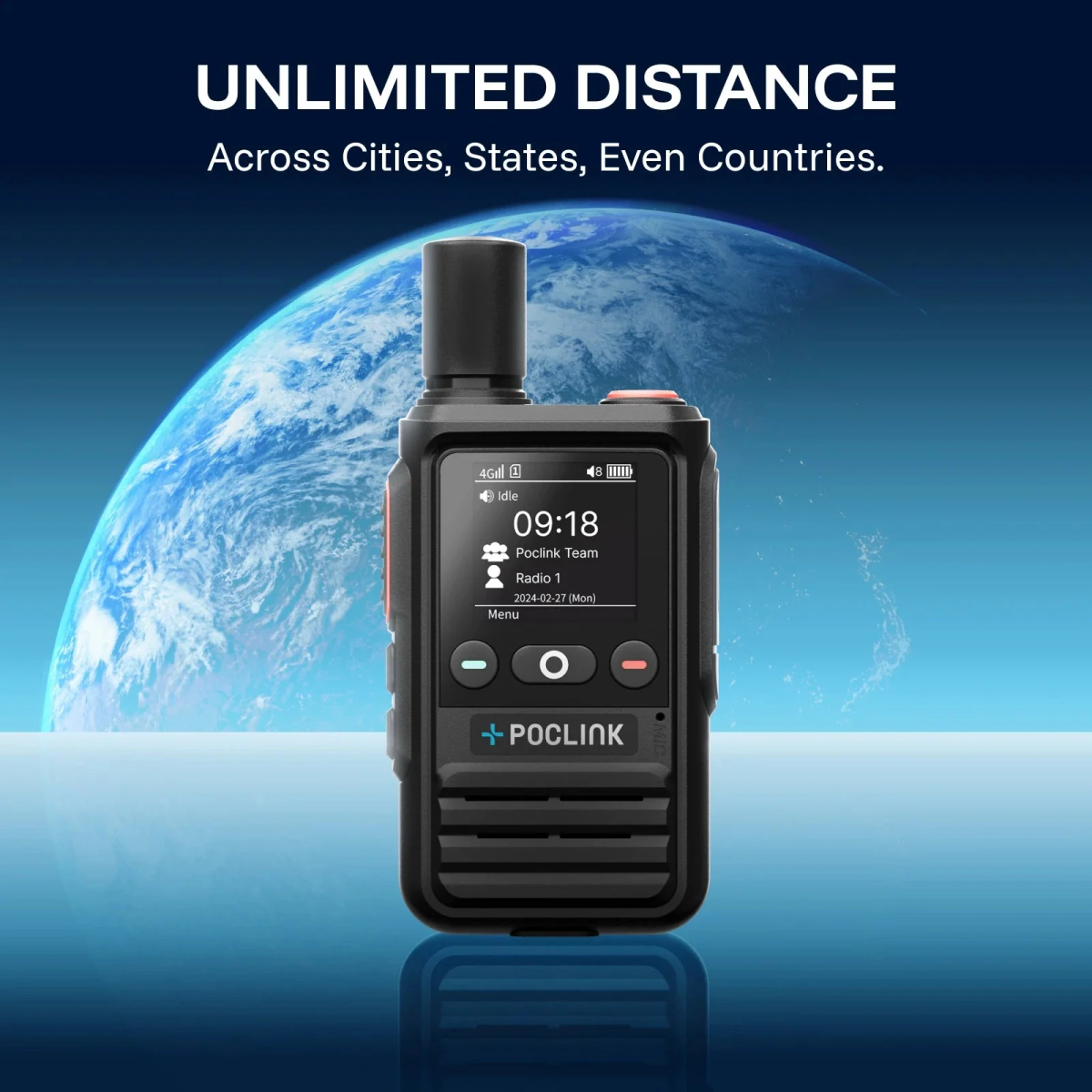
The entry-level Poclink push-to-talk radio: 4G mobile network only, three years of service included, sold as a two-pack for half the price of the Pro and Ultra.
Explore →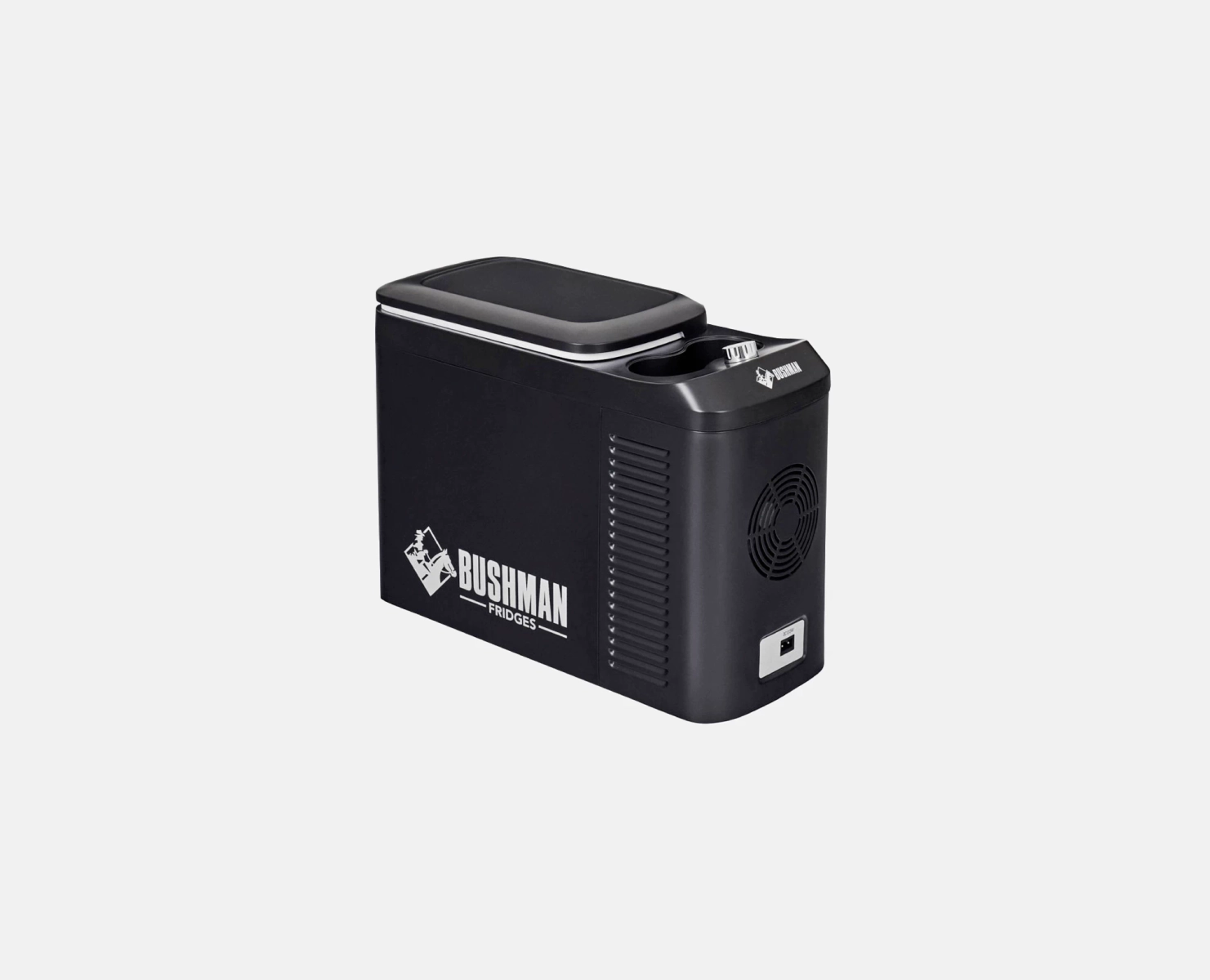
Compact 15 litre portable compressor fridge freezer for 12 or 24 V, averaging 0.58 amps per hour, with a seven-year compressor warranty.
Explore →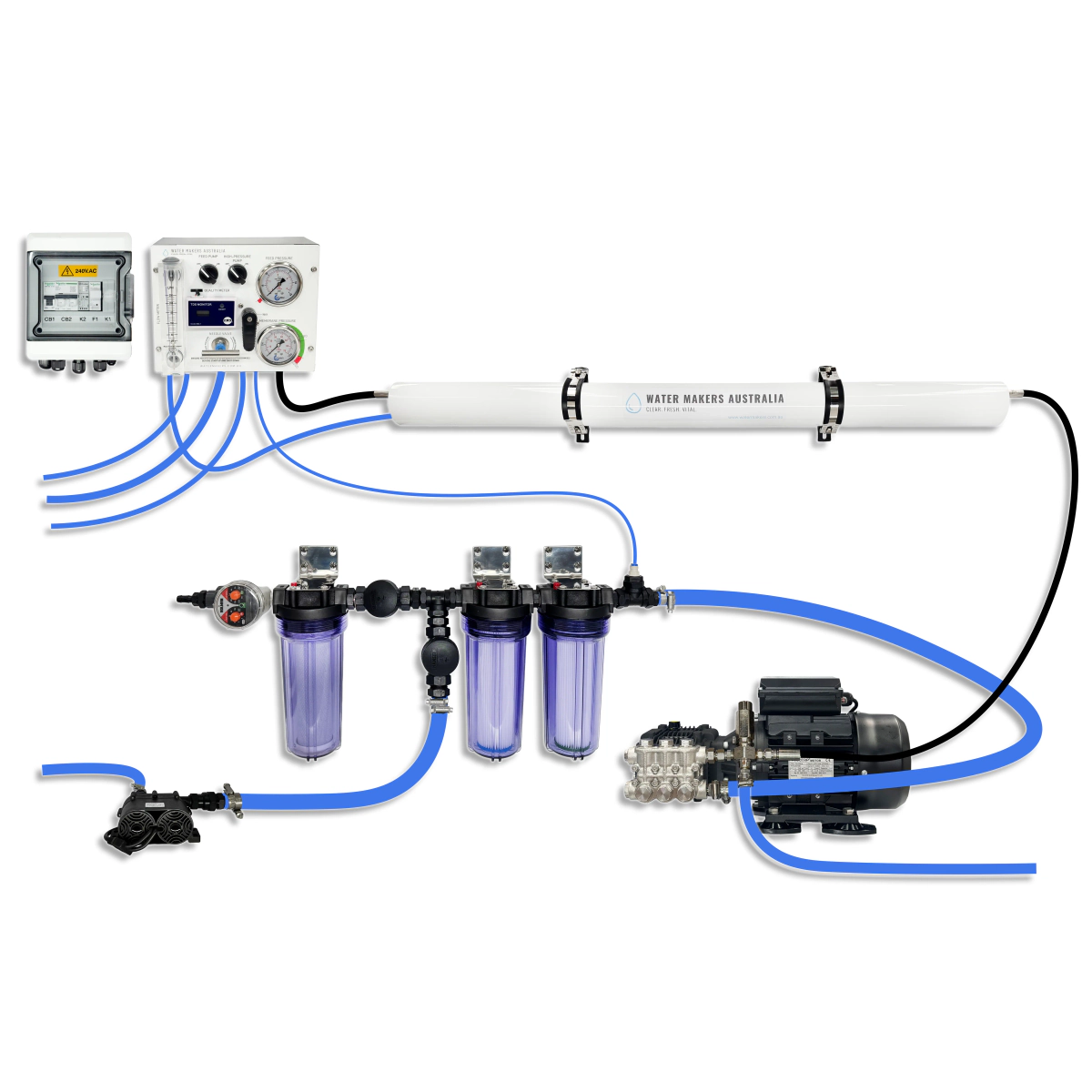
Single-membrane reverse-osmosis watermaker with a 1.1 kW motor, producing a nominal 60 L/h from a 2 kVA inverter or small generator, for cruising couples on boats of about 9 to 14 m.
Explore →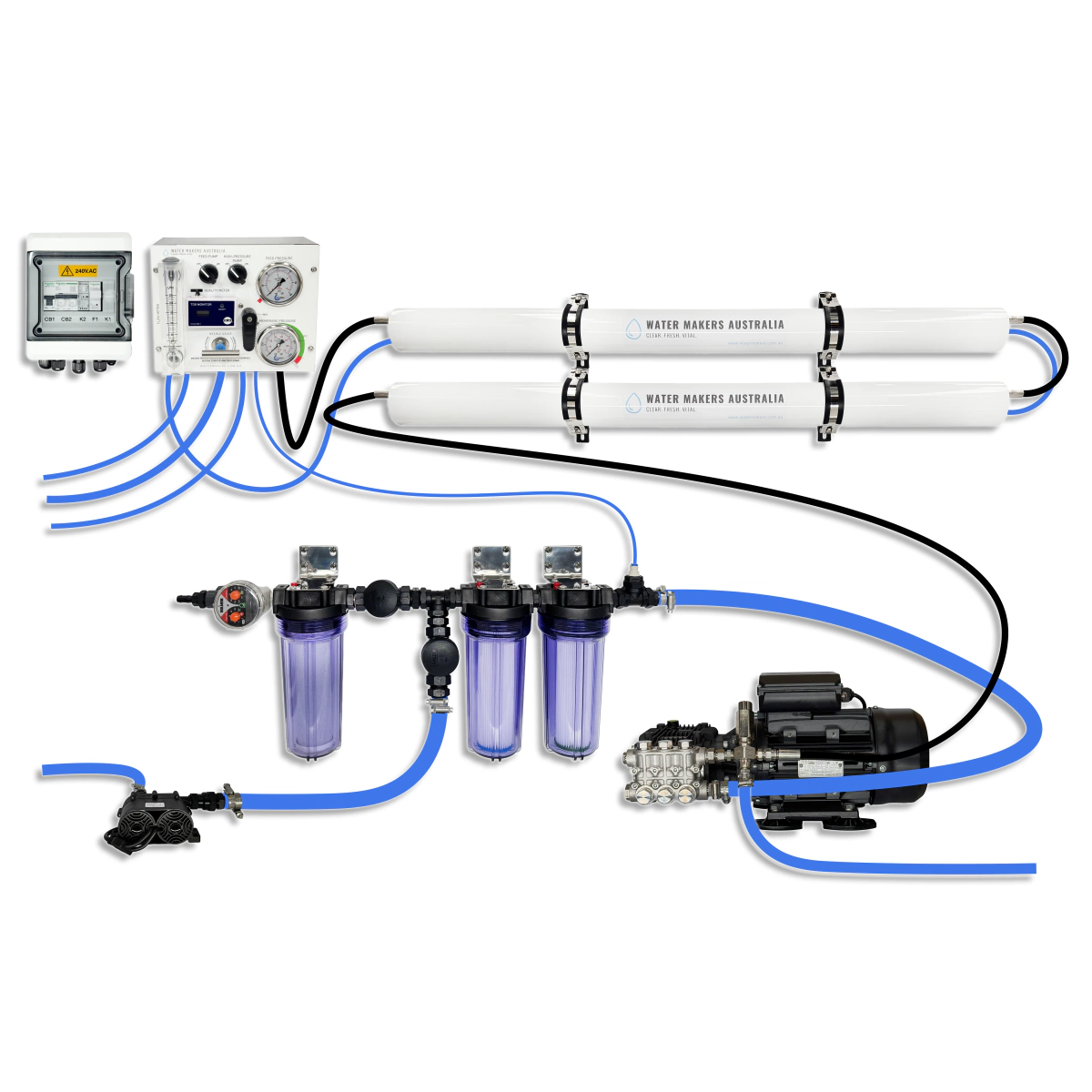
Twin-membrane 240 V reverse-osmosis watermaker producing a nominal 140 L/h, built to order in Sydney for family cruising on boats of about 11 to 18 m.
Explore →