Loading this page…

Loading this page…
Sailing club
Georges Bay Sailing and Aquatic Club is a community club on O'Connors Beach at St Helens, on Tasmania's north-east coast. It promotes sailing and other water activities on Georges Bay for everyone from 5 to 95, of all abilities.
About
Georges Bay Sailing and Aquatic Club is a community club on O'Connors Beach at St Helens, on Tasmania's north-east coast. It promotes sailing and other water activities on Georges Bay for everyone from 5 to 95, of all abilities.
Service area: St Helens, TAS
Keep exploring
Georges Bay Sailing and Aquatic Club is based on O'Connors Beach, St Helens Point Road, near St Helens on Tasmania's north-east coast. Its aim is to promote all activities on Georges Bay and to support people aged 5 to 95 and of all abilities.
St Helens is the largest town on Tasmania's east coast and a popular holiday destination, and Georges Bay is its big, sheltered playground. The club makes the most of it with sailing, paddling and other water sports, and its inclusive approach means families, older sailors and people with disability are all welcome.
The club supports safe and inclusive sport through its commitments with Play by the Rules, Good Sports and Pride in Sport, and upcoming events are listed on its website. Contact the club at georgesbaysailingandaquatic@gmail.com or by post to PO Box 134, St Helens, TAS 7216.
Visiting the area? The Bay of Fires and Binalong Bay are just up the road, and the east coast has some of Tasmania's best cruising. See our Stieglitz sailing clubs page and St Helens page for more.
The club's focus is on making time on the water accessible to all ages and abilities, from young children to older sailors. Upcoming sessions and events are posted on the club's website, and new members are welcome to get in touch by email to find out how to join in. If you're new to sailing, our beginner's guide to sailing in Australia and our guide to sailing safety for beginners are handy reads.
Georges Bay's sheltered water is ideal for learning, and summer is the best time to start. Our FAQ on the best season to learn to sail in Tasmania explains what to expect through the year.
The club is on O'Connors Beach off St Helens Point Road, on the southern shore of Georges Bay near St Helens. The bay is a large, sheltered body of water on Tasmania's north-east coast, protected from the open Tasman Sea and well suited to dinghy sailing and paddling. Further south along the east coast lie Binalong Bay and the Freycinet Peninsula.
The bay connects to the ocean through a narrow, shallow bar near St Helens Point. The bar can be dangerous in swell, so it's a job for experienced skippers with local knowledge. Inside, the water is calm and shallow in places, with sandy shores and oyster leases, so keep an eye on the channel markers.
Georges Bay Sailing and Aquatic Club carries on a long tradition of sailing on Georges Bay at St Helens. Today it's an affiliate of Australian Sailing with a commitment to child safety, integrity and inclusion in sport.
The bay has a long maritime history. By the 1830s Georges Bay was used by whalers and sealers, and the settlement that grew up there had a post office called Georges Bay from 1869 before it was renamed St Helens in 1882. Fishing and holidaymaking later became the town's lifeblood. The bay's regattas and fun days have been a summer tradition, and the club keeps that tradition going with an inclusive, all-ages approach to getting on the water.
Bicheno is a small, working fishing town on Tasmania’s east coast whose modest harbour and nearby bays give visiting sailors a taste of exposed coastal sailing and sheltered inshore cruising. Distinctive for its granite shoreline, clear water and proximity to Freycinet and Friendly Beaches, Bicheno suits day sails, sheltered weekend cruising and coastal passages along the east coast rather than long ocean crossings. It favours skippers who can manage changeable onshore winds, read coastal swell and plan for limited shore facilities outside the main tourist season.

Use ramps and beaches with respect for local conditions: check ramp layout, tide and swell, wind direction, vehicle access and crowding; prepare boat and crew before you launch or retrieve; and follow local signage, courtesy and safety practices. Specifics vary by ramp and beach, so confirm details for the exact site before you go.
Explore →
Expect light to moderate, thermally-driven sea breezes in summer with afternoon strengthening; more changeable and often stronger winds with frontal systems in autumn and spring; and the windiest, roughest conditions in winter when cold fronts and sou’westers are most frequent. Gulf St Vincent is more sheltered than the exposed coast but can still produce steep chop and sudden changes near Adelaide and headlands.
Explore →
Late spring to summer is usually the best time for beginners to start learning to sail in Tasmania because the weather is generally warmer, days are longer and conditions are often more settled. Expect lighter to moderate winds with regular afternoon sea breees in summer, while spring and autumn bring more changeable and sometimes stronger conditions; winter is colder, wetter and typically windier with more fronts and swell.
Explore →
Treat Tasmanian waters as cold year-round: prevent immersion where possible, wear appropriate layers and a lifejacket, carry reliable distress equipment, and have clear procedures to recover and rewarm anyone who gets wet.
Explore →A practical guide for recreational sailors planning passages to, from or around Eden and Twofold Bay. Covers sheltered anchorages, shore facilities, local weather and tidal considerations, preparing for Bass Strait conditions and a focused equipment and safety checklist.
Explore →A concise, practical guide for recreational sailors in New South Wales that explains southerly busters, sea breezes and east coast lows, how they form, how they affect coastal sailing, common signs to watch for, equipment and preparation, and clear next steps to plan safer outings.
Explore →A practical guide for recreational sailors planning day sails or short cruises around Batemans Bay, Broulee and the Clyde River. Covers local conditions, safe approaches, anchorages, launching, tides, common hazards, and checklists for trip planning and on-water decisions.
Explore →A practical guide for recreational sailors planning visits to Albany and King George Sound. Covers the main anchorage areas, typical local weather patterns, tidal and current considerations, navigational hazards, on-the-water etiquette and a pre-departure checklist to help you plan a safe passage and enjoyable stopover
Explore →Burke Yachtsman Gear Bag 40L - Shop Now Zip Pay | Tamar Marine Skip to content 59 – 63 Holbrook Street, Invermay Online Shop Open 24/7 Products search Contact us 1300 MARINE $ 0.00 0 Cart Burke Yachtsman Gear Bag 40L $ 79.90 Colour Choose an option Black Blue Black Blue Clear - Burke Yachtsman Gear Bag 40L quantity + Add to cart Enquire about this product SKU BAGB-Y24/BLACK* Category Bags - Sail & Gear A Burke classic and customer favourite, the Yachtsman’s Gear Bag is built tough to handle wet, salty conditions while keeping your gear dry and protected. Made from double coated waterproof…
Explore →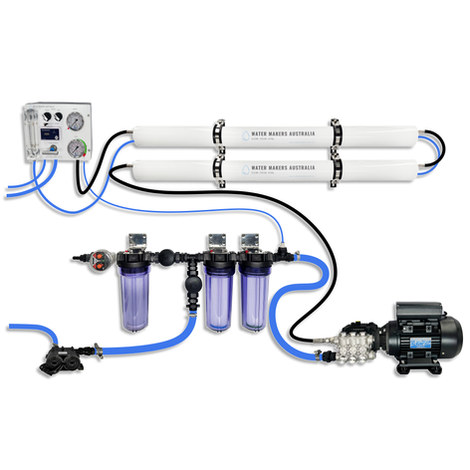
A two-membrane modular watermaker with 140 L/h nominal output, aimed at families and liveaboards that want more water per run.
Explore →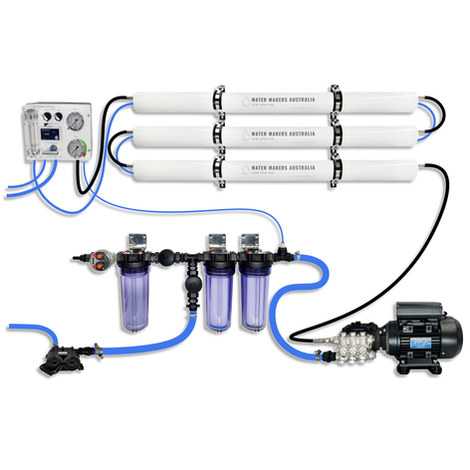
A three-membrane modular watermaker with 200 L/h nominal output and up to 240 L/h family-level marketing, for larger crews and heavy use.
Explore →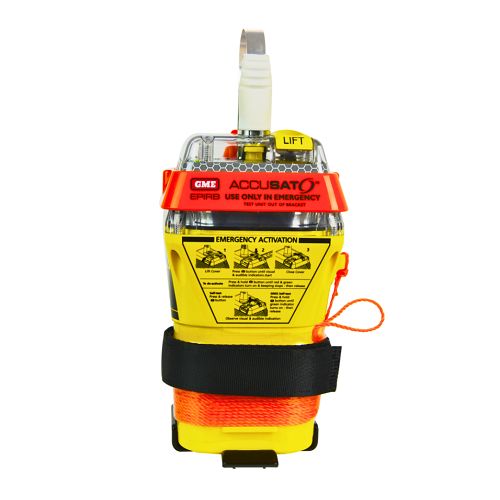
A 10‑year battery EPIRB with integrated GNSS (supports GPS and Galileo), infrared strobe and 121.5 MHz homing signal. Approved for worldwide COSPAS‑SARSAT operation.
Explore →