Loading this page…

Loading this page…
Sailing club
Burnie Yacht Club is a family-oriented sailing club on the South Burnie foreshore, with a proud history of sailing on Emu Bay since the 1960s. Its season runs on Sundays from October to April, new sailors are welcome, and the club celebrates each year with an annual dinner for members, families and friends.
About
Burnie Yacht Club is a family-oriented sailing club on the South Burnie foreshore, with a proud history of sailing on Emu Bay since the 1960s. Its season runs on Sundays from October to April, new sailors are welcome, and the club celebrates each year with an annual dinner for members, families and friends.
Service area: South Burnie foreshore, Burnie (North‑west Tasmania)
Keep exploring
Burnie Yacht Club is based on the South Burnie Esplanade in north-west Tasmania and describes itself as a family-orientated sailing club — a place to spend Sundays on the water or on the sand. The season runs from October to April, with sailing on Sunday mornings, and new sailors are welcome to join.
There is parking next to the club suitable for trailers and boats. The club runs rescue boat training at the start of each season, offers a SailPass for people who want to try sailing before joining, and holds an annual dinner for members, families and friends. Contact the club at burnieyachtclub@gmail.com or through its Facebook page. See other clubs nearby on our South Burnie sailing clubs page.
Burnie Yacht Club welcomes new sailors each season, and its SailPass option lets people try club sailing before taking out full membership. Sunday club sessions are the best way to get involved, with experienced members on hand to help newcomers. The club also runs rescue boat training at the start of each season, so volunteers can help keep everyone safe on the water — a great way for parents to get involved.
For more structured learn-to-sail courses on the north-west coast, Wynyard Yacht Club runs programs for kids, youth and adults. Our beginner's guide to sailing in Australia is also a handy read.
The club is on the South Burnie Esplanade, on the shores of Emu Bay in Burnie on Tasmania's north-west coast. Emu Bay opens onto Bass Strait, so conditions can range from gentle mornings to lively afternoon breezes. There is parking next to the club suitable for trailers and boats.
Nearby clubs include Wynyard Yacht Club to the west and Leven Yacht Club at Ulverstone to the east.
Burnie is one of Tasmania's major ports, so watch for shipping movements around the harbour. For passages along the coast or across Bass Strait, see our FAQ on planning a Bass Strait crossing.
For more on the city, see our Burnie page.
Burnie Yacht Club has a proud history of sailing on Emu Bay since the 1960s. Over the decades it has remained a family-focused club, with generations of local sailors learning and racing off the South Burnie foreshore, and an annual dinner that brings members, families and friends together at the end of each season.
The city itself has deep maritime roots. It was founded in 1827 as Emu Bay and renamed in the early 1840s after William Burnie, a director of the Van Diemen's Land Company, which developed the port to ship produce from the north-west. Burnie grew into one of Tasmania's busiest ports, and the yacht club has given the city's families a way to enjoy the same waters for sport. See our South Burnie sailing clubs page.

Progress gradually by increasing exposure, practising specific skills, sailing with more experienced crew/skippers, and deliberately training for each new step—start in calm sheltered bays, then move to longer trips, busier waters, stronger winds and finally open coastal passages when you and your crew are consistently competent and comfortable.
Explore →
Write a one‑page plan with the who/what/when/where/how of your trip, keep a copy on board and leave the main copy with a responsible person ashore (and optionally with your club, marina office or local volunteer rescue service).
Explore →
Look for consistent, verifiable detail across multiple photos and reviews, check timestamps, reviewer credibility and metadata where possible, and cross‑check with independent sources — treat overly perfect images or identical language with caution.
Explore →
Plan the turn, move deliberately and in sequence, keep the boat balanced, trim sails smoothly and keep weight and rudder actions small so speed is preserved through both tacks and gybes.
Explore →
A practical guide for new sailors on picking the right Australian sailing club: training, boat access, racing, social fit, costs and the key questions to ask before joining.
Explore →A concise, practical introduction to the essential parts of a recreational sailing boat for beginners in Australia. Covers hull, deck, rigging, sails, steering, below-decks spaces and safety equipment, with simple explanations, common mistakes and a pre-sail checklist to help new sailors communicate and get underway.
Explore →A practical guide for recreational sailors planning passages to, from or around Eden and Twofold Bay. Covers sheltered anchorages, shore facilities, local weather and tidal considerations, preparing for Bass Strait conditions and a focused equipment and safety checklist.
Explore →A practical guide to selecting and using anchorages around New South Wales for cruising sailors. Covers sheltered bays, tidal considerations, holding, approach planning, and example anchorages with local conditions to check before you go.
Explore →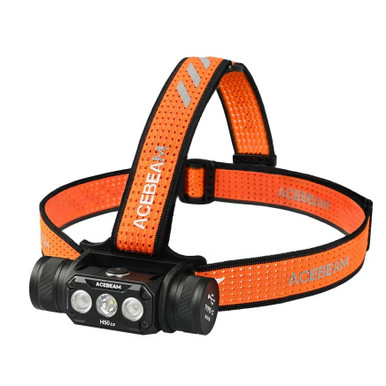
A 2000 lumen headlamp with spot and flood beams, rated IP68 and submersible to 2 metres, with a 141 metre beam and up to 30 hours on low.
Explore →
Metal-bodied 4G push-to-talk radio with GPS and SOS in the GPS variant and a lifetime SIM plan included. Sold as a two-pack.
Explore →
The entry-level Poclink push-to-talk radio: 4G mobile network only, three years of service included, sold as a two-pack for half the price of the Pro and Ultra.
Explore →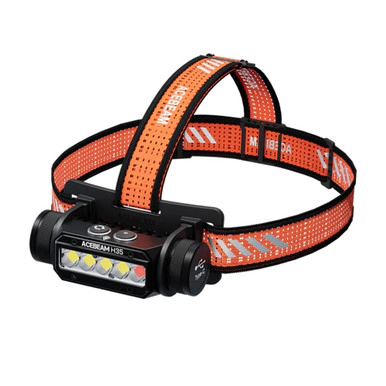
A 2600 lumen wide-beam headlamp with a red light, rated IP68 and submersible to 2 metres, with a 170 metre beam and USB-C charging.
Explore →