Loading this page…

Loading this page…
Sailing club
The Cruising Yacht Club of Tasmania is a friendly Hobart club for people who love cruising. Based at the Royal Yacht Club of Tasmania in Sandy Bay, it holds monthly general meetings with guest speakers, runs cruising events and a Women on Boats program, and publishes its own newsletter, the Albatross.
About
The Cruising Yacht Club of Tasmania is a friendly Hobart club for people who love cruising. Based at the Royal Yacht Club of Tasmania in Sandy Bay, it holds monthly general meetings with guest speakers, runs cruising events and a Women on Boats program, and publishes its own newsletter, the Albatross.
Service area: Hobart / Southern Tasmania
Keep exploring
The Cruising Yacht Club of Tasmania (CYCT) is a club for cruising sailors, based at the Royal Yacht Club of Tasmania on Marieville Esplanade, Sandy Bay. Rather than racing, its focus is on the social and practical side of sailing: cruising events, a Women on Boats program, and monthly general meetings with guest speakers sharing their voyages and expertise.
Members receive the club newsletter, the Albatross, and a range of member benefits. Membership applications can be made through the club website, and the committee — commodore, vice and rear commodores, secretary, treasurer and membership officer — can be contacted through its online form or on 0438 266 425.
The club's learning happens in a relaxed, shared way. Its monthly general meetings feature guest speakers — recent talks have covered a member delivering a newly bought yacht 850 nautical miles from New South Wales to Kettering, the history of the Maritime Museum of Tasmania, and wooden-boat cruising into Tasmania's remote south west — and they are a great way to pick up practical tips from experienced cruisers.
CYCT also runs a Women on Boats program, designed to build confidence and skills for women on board, and its cruising events give members the chance to sail in company and learn new anchorages with others around. For formal qualifications such as radio or sea safety courses, the neighbouring Royal Yacht Club of Tasmania and Derwent Sailing Squadron both run courses.
The club's official address is care of the Royal Yacht Club of Tasmania on Marieville Esplanade in Sandy Bay, which puts members right on the River Derwent and within easy reach of some of Australia's finest cruising grounds. Heading south from Hobart, the D'Entrecasteaux Channel and Bruny Island offer sheltered anchorages, small towns and plenty of options for a weekend away, while the Huon River and beyond open up longer trips.
If you are new to cruising in the area, our complete Australian anchoring guide and our Hobart destination guide are good places to start planning.
Further afield, the east coast offers Maria Island and the Tasman Peninsula, with Port Arthur and its sheltered anchorages. Tasmanian weather can change quickly, so good passage planning is essential. See our FAQ on when to carry an EPIRB or PLB in Tasmania.
The Cruising Yacht Club of Tasmania has built its identity around the social side of sailing: sharing knowledge, telling stories and helping each other get out on the water. Its monthly meetings and speaker nights, its newsletter the Albatross and its Women on Boats program reflect a club run by and for people who love cruising Tasmanian waters, with an active committee and an annual general meeting that keeps members closely involved in how the club is run.
Apollo Bay is a small working harbour on Victoria’s Great Ocean Road where sheltered inshore sailing meets the Southern Ocean. The character is a mix of protected harbour berths and an exposed open coast: pleasant day-sails and sheltered weekend cruising inside the bay, with demanding coastal passages immediately offshore where south‑westerly swell and strong winds from the Southern Ocean dominate. It suits coastal cruisers, trailer sailors who launch at the ramp, and experienced coastal sailors who understand bar and swell behaviour; it is not a casual open‑ocean anchorage for unprepared or

Late spring to summer is usually the best time for beginners to start learning to sail in Tasmania because the weather is generally warmer, days are longer and conditions are often more settled. Expect lighter to moderate winds with regular afternoon sea breees in summer, while spring and autumn bring more changeable and sometimes stronger conditions; winter is colder, wetter and typically windier with more fronts and swell.
Explore →
Use ramps and beaches with respect for local conditions: check ramp layout, tide and swell, wind direction, vehicle access and crowding; prepare boat and crew before you launch or retrieve; and follow local signage, courtesy and safety practices. Specifics vary by ramp and beach, so confirm details for the exact site before you go.
Explore →
Write a one‑page plan with the who/what/when/where/how of your trip, keep a copy on board and leave the main copy with a responsible person ashore (and optionally with your club, marina office or local volunteer rescue service).
Explore →
Before your first sail in South Australian waters check the weather and tide, make sure the boat and safety equipment are fit for the trip, confirm local rules and any area-specific hazards, and tell someone your plan.
Explore →A concise, practical introduction to the essential parts of a recreational sailing boat for beginners in Australia. Covers hull, deck, rigging, sails, steering, below-decks spaces and safety equipment, with simple explanations, common mistakes and a pre-decast checklist to help new sailors communicate and get underway.
Explore →
A practical guide for recreational sailors planning passages in the Great Sandy Strait — covering navigation challenges, tides and currents, anchoring, channels, weather considerations, and safety tips tailored to Queensland conditions.
Explore →
A practical guide for new sailors on picking the right Australian sailing club: training, boat access, racing, social fit, costs and the key questions to ask before joining.
Explore →
A practical checklist and explanation of the safety equipment recreational sailors should carry in Australian waters, with how to choose gear, use it correctly, and common mistakes to avoid.
Explore →
Self-contained, battery-powered plug‑and‑play autopilot designed for standard hydraulic steering systems.
Explore →Burke Yachtsman Gear Bag 40L - Shop Now Zip Pay | Tamar Marine Skip to content 59 – 63 Holbrook Street, Invermay Online Shop Open 24/7 Products search Contact us 1300 MARINE $ 0.00 0 Cart Burke Yachtsman Gear Bag 40L $ 79.90 Colour Choose an option Black Blue Black Blue Clear - Burke Yachtsman Gear Bag 40L quantity + Add to cart Enquire about this product SKU BAGB-Y24/BLACK* Category Bags - Sail & Gear A Burke classic and customer favourite, the Yachtsman’s Gear Bag is built tough to handle wet, salty conditions while keeping your gear dry and protected. Made from double coated waterproof…
Explore →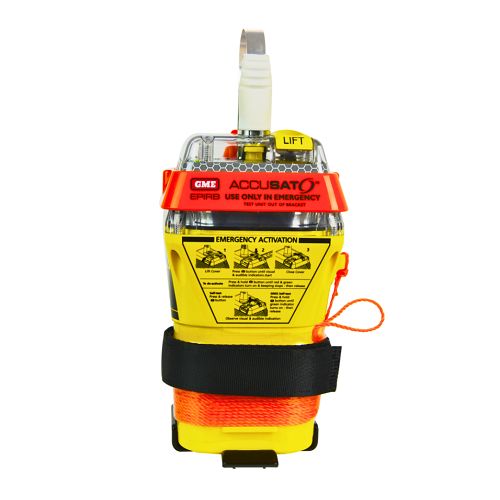
A 10‑year battery EPIRB with integrated GNSS (supports GPS and Galileo), infrared strobe and 121.5 MHz homing signal. Approved for worldwide COSPAS‑SARSAT operation.
Explore →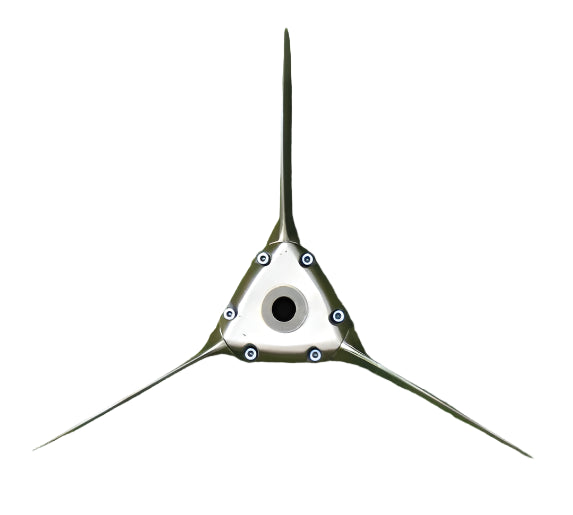
Feathering propeller designed for larger cruising yachts. Diameter range 18"–25"; shaft range 1¼"–1¾"; hub lengths 120mm or 165mm (with anode). Sail drive option available.
Explore →