Loading this page…

Loading this page…
Sailing club
Bruny Island Boat Club is the island's largest community-based club, based on the foreshore at Pontoon Road, Alonnah, on South Bruny. Incorporated in 2005 to improve boating facilities and promote safe recreational boating, it looks after the Alonnah pontoon and its berths and runs sailing and community events through the year.
About
Bruny Island Boat Club is the island's largest community-based club, based on the foreshore at Pontoon Road, Alonnah, on South Bruny. Incorporated in 2005 to improve boating facilities and promote safe recreational boating, it looks after the Alonnah pontoon and its berths and runs sailing and community events through the year.
Service area: Alonnah, Bruny Island (South Bruny Island), Tasmania
Keep exploring
Bruny Island Boat Club Inc. is based on the foreshore at Pontoon Road, Alonnah, on South Bruny Island. It describes itself as Bruny Island's largest community-based club and was incorporated in April 2005 with two aims: to improve boating facilities on the island and to promote safe recreational boating.
The club manages the mooring pontoon at Alonnah, where members can apply for a berth, and organises events throughout the year, including sailing. Membership applications can be made through the club website, and the secretary can be contacted at secretary@brunyislandboatclub.com. See other clubs nearby on our Alonnah sailing clubs page.
Bruny Island Boat Club is a community boating club rather than a formal sailing school, and its focus is on safe recreational boating for island residents and visitors. Events through the year — including sailing — are a good way to meet other boat owners and learn local knowledge about the island's waters.
If you are looking for structured courses, clubs across the channel run accredited training: Kettering Yacht Club offers a Start Crewing course, and the Royal Yacht Club of Tasmania and Derwent Sailing Squadron in Hobart run licence, marine radio and safety courses.
The club is on the foreshore at Pontoon Road, Alonnah, on the western side of South Bruny, looking across the D'Entrecasteaux Channel towards the Tasmanian mainland. The Channel offers sheltered water and plenty of anchorages, while the island's eastern side faces the open waters of Storm Bay and the Tasman Sea.
The Alonnah pontoon is the club's key facility, with berths available to members on application. Getting it built was, in the club's own words, "a fight" — a sign of how much the community values good boating access. For more about the island, see our Bruny Island destination guide.
Getting to the island is part of the adventure: the car ferry runs from Kettering on the mainland to Roberts Point on North Bruny. For visiting boats, the Channel has plenty of sheltered anchorages, including Great Bay on Bruny's western shore. See our Alonnah sailing clubs page and our FAQ on when to carry an EPIRB or PLB in Tasmania.
Bruny Island Boat Club was incorporated in April 2005 with the aim of improving boating facilities on the island and promoting safe recreational boating. Its biggest achievement has been the pontoon at Alonnah, which the club campaigned hard to secure and now manages for the island's boating community.
The island's boating history goes back much further. Bruny Island is named after French navigator Bruni d'Entrecasteaux, who charted these waters in the early 1790s, and the Cape Bruny Lighthouse, first lit in 1838, has watched over the southern approaches for almost two centuries. For generations, boats were the island's lifeline before the car ferry, and the club's work on the Alonnah pontoon continues that tradition of keeping islanders connected to the water.
A practical cruising guide for the Moyne River port at the mouth of the Moyne River on Victoria’s south-west coast. It explains harbour geometry, seasonal conditions, principal sailing zones, anchorages, visitor facilities, known local hazards (bar, reefs, strong currents, surf and commercial traffic), regulatory controls and realistic experiences for day sailors, trailer-sailors and coastal cruisers. The guide draws on local port plans, state boating authorities, the yacht club’s visiting-boat practice and regional marine management documents.

Legal safety equipment for recreational boats in South Australia depends on the type, size and where you operate; you must check the current SA government requirements for your vessel. Independently of legal minimums, carry a sensible set of recommended items (lifejackets, means of communication, signaling, fire protection, anchor and basic tools) and make them usable and maintained.
Explore →
A regular, layered maintenance routine combining hull cleaning, targeted anti-fouling management, cathodic protection and systems checks will substantially reduce marine growth and corrosion for boats kept year‑round in South Australian waters. Focus on preventing attachment and electrochemical attack, then inspect and act more often if you’re in warm, nutrient-rich or high‑traffic sheltered waters.
Explore →
Do a seasonal inspection and servicing routine that focuses on hull and antifouling, through-hulls and seacocks, rigging and sails, engine and fuel systems, electricals and batteries, safety gear and bilge systems. Tailor exact tasks to your boat type, age and where you sail in South Australia, and follow manufacturer and marine service advice for anything technical.
Explore →
Look for a friendly club with beginner-focused training, accessible facilities and boats, a supportive community, clear safety practices, and opportunities to progress at your own pace.
Explore →Practical guide for recreational sailors planning passage on the Hawkesbury River: how to plan around tides, choose anchorages, read local conditions and prepare the boat and crew for a safe, comfortable trip.
Explore →
Practical guidance for recreational sailors in Australia on assessing swell, tide and wind, choosing the safest time to cross a coastal bar, preparing crew and gear, and making the decision to go or turn back.
Explore →
A practical guide for new sailors on picking the right Australian sailing club: training, boat access, racing, social fit, costs and the key questions to ask before joining.
Explore →
A concise, practical guide to the points of sail and how to trim sails effectively for common Australian conditions. Learn the basics of wind angles, sail shape, telltales, reefing considerations and simple steps to improve boat speed and balance.
Explore →Burke Yachtsman Gear Bag 40L - Shop Now Zip Pay | Tamar Marine Skip to content 59 – 63 Holbrook Street, Invermay Online Shop Open 24/7 Products search Contact us 1300 MARINE $ 0.00 0 Cart Burke Yachtsman Gear Bag 40L $ 79.90 Colour Choose an option Black Blue Black Blue Clear - Burke Yachtsman Gear Bag 40L quantity + Add to cart Enquire about this product SKU BAGB-Y24/BLACK* Category Bags - Sail & Gear A Burke classic and customer favourite, the Yachtsman’s Gear Bag is built tough to handle wet, salty conditions while keeping your gear dry and protected. Made from double coated waterproof…
Explore →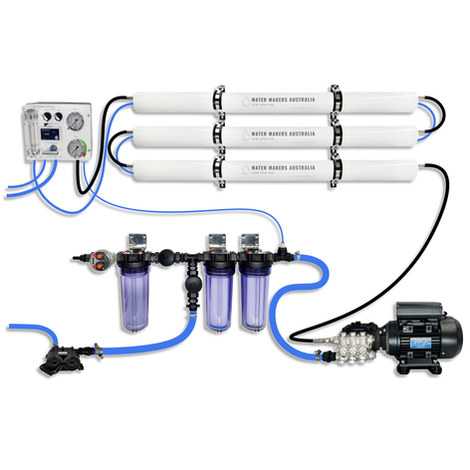
A three-membrane modular watermaker with 200 L/h nominal output and up to 240 L/h family-level marketing, for larger crews and heavy use.
Explore →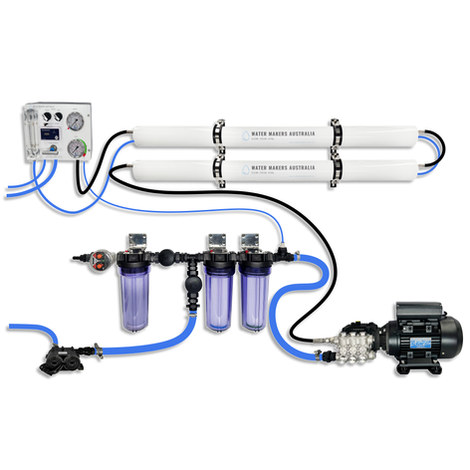
A two-membrane modular watermaker with 140 L/h nominal output, aimed at families and liveaboards that want more water per run.
Explore →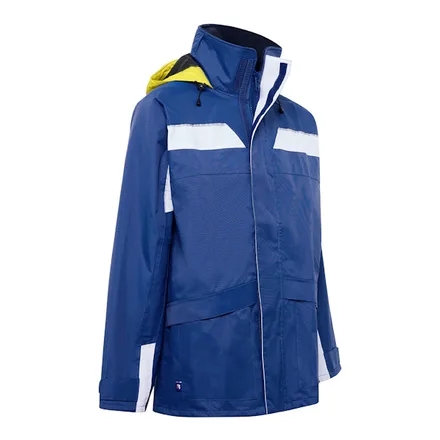
Burke Super Dry Jacket in Blue. Product codes shown: DRY228-XS, DRY228-S, DRY228-M, DRY228-L, DRY228-XL, DRY228-XXL. Available sizes listed: XS, S, M, L, XL, XXL.
Explore →