Loading this page…

Loading this page…
Sailing club
Hillarys Yacht Club (HYC) is a mixed yacht club based at Hillarys Boat Harbour on Perth’s northern coast. Formed in 1986 and affiliated with Australian Sailing, the club runs active keelboat and dinghy fleets, a strong junior development pathway, regular coaching events and on-water training, plus marina services and pen accommodation from its two-storey clubhouse at 65 Northside Drive.
About
Hillarys Yacht Club (HYC) is a mixed yacht club based at Hillarys Boat Harbour on Perth’s northern coast. Formed in 1986 and affiliated with Australian Sailing, the club runs active keelboat and dinghy fleets, a strong junior development pathway, regular coaching events and on-water training, plus marina services and pen accommodation from its two-storey clubhouse at 65 Northside Drive.
Service area: Hillarys Boat Harbour and adjacent coastal waters, northern Perth (Western Australia)
Keep exploring
The depth of the junior pathway is what distinguishes Hillarys. Children can start in Tackers — presented by SunSmart, open to seven-to-twelve-year-olds without club membership, with all equipment provided and Australian Sailing-qualified instructors — and from there the ladder keeps going. Graduates of Tackers 3 move into the Green Fleet development program, sailing Optimists with club Poly Tackers Optimists available to hire, then on to the Optimist Intermediate Squad and ultimately state and national competition pathways.
Teens past Tackers 3 have their own track in the Out There Sailing after-school program, and on Sunday mornings trainee fleets of all ages — Learn to Sail and Bronze fleet — run a nine-week course timed to finish before the afternoon's racing begins.
The club also stages serious coaching events. The Youth Sail WA Westsail Coaching Clinic of 2021 ran at the club from 25 to 28 September, attracting 89 sailors in seven fleets under a dozen high-level coaches. Back at Easter 2018, the inaugural Sail Easter coaching regatta secured two high-profile coaches in Olympic 470 gold medallist Belinda Stowell and WAIS's Ryan Palk, with an entry list topping 50, spread across fleets including the Laser, Bic, Optimist, Tasar, 29er, Mirror and National 125, under commodore Neil Harrison.
Adults are hardly neglected. The keelboat racing division fields around 25 to 30 yachts every Sunday — fortnightly from June to October — divided into fleets for yachts under 30 feet and those over, which means about 60 people afloat each race day. A Tasar fleet races Saturday mornings and hosts WA Tasar winter series events; the club claimed the Club Team trophy when part of the 2015 WA Tasar State Championships was sailed at Hillarys.
Everything happens in and around Hillarys Boat Harbour, the marina development of the late 1980s on Perth's northern coastline that has become one of the city's favourite recreational boating destinations. Racing and coaching take place in semi-protected ocean water off the marina, on the northern as well as the southern side of the harbour — open-sea sailing with the breakwater's shelter close at hand, well suited to teaching juniors who are stepping up from enclosed water, and testing enough to prepare Optimist and Laser sailors for state and national competition.
The harbour geography also shapes a rich keelboat calendar. The club's signature races use the coastline in every direction: the Mindarie and Return and Marmion Reef Race stay local, the Fremantle and Return and Rottnest and Return head south and offshore, and the Fairway Race, Commodore's Cup, Australia Day Race and Mariners and Shepherdess Cups fill out the season. The club hosts the interclub "Pot of Gold" regatta, and its skippers compete in Yachting WA offshore events including blue water contests bound for Geraldton, Carnarvon or Bunbury — so a Hillarys keelboat crew can progress from Sunday club racing to genuine ocean passages without changing clubs.
Shoreside infrastructure matches the scale of the water. The clubhouse offers a restaurant, function room and bar with ocean views on the upper storey; a separate junior clubhouse serves the training programs; and the pen field of 270 on-the-water berths ranges from 8 by 4 metres to 21 by 6 metres, plus catamaran pens, with boat lifting and racking services available. Annual pen rental in the 2026/27 schedule runs from around $6,038 for a small fixed pen to approximately $18,748 for the largest floating berth.
The club's prehistory belongs to the harbour. The Department for Marine and Harbours proposed building Hillarys Boat Harbour in 1983, and members of the Marmion Angling and Aquatic Club responded with a submission seeking additional boat launching facilities. That effort produced the Hillarys Boat Harbour Association in 1985, and the following year association members gathered to formally inaugurate Hillarys Yacht Club Incorporated and elect the club's first office bearers.
The early years were nomadic in a thoroughly Australian way: the committee spent its first three years meeting monthly at two local pubs — the Castle Hotel at North Beach and the Mullaloo Tavern — while plans for a clubhouse and jetties took shape. The breakthrough came in October 1989, when clubhouse plans were finalised, a lease with the Department for Marine and Harbours was signed, and members gained access to 112 boat pens arranged in two jetty rows. The clubhouse itself was constructed in 1990 — meaning the club went from inaugural meeting to permanent waterfront home in barely four years.
From that foundation the club built steadily outward. The pen field grew from those first 112 berths to today's 270, a junior clubhouse was added to serve the expanding training programs, and the burgee — a blue pennant with yellow cross and "H," designed by a member — has required alteration only once in the club's life, a small symbol of institutional continuity.
Milestones since have included the WA Tasar State Championships of 21–22 March 2015, hosted in part at the club, which collected the Club Team trophy; the inaugural Sail Easter coaching regatta in 2018 with Olympic gold medallist Belinda Stowell on the coaching staff; and the 2021 Westsail Coaching Clinic run under the Youth Sail WA banner, which brought 89 young sailors and a dozen high-level coaches to the harbour. For a club younger than most of its keelboats' skippers, the record is remarkably full.

Practise early, repeatable depowering (reefing and flattening), controlled sail-trim changes and deliberate, crew-led tacks/gybes so you keep heel, steerage and speed in a safe window as the Fremantle Doctor builds. Rehearse routines in sheltered water until they are second nature—clear commands, disciplined weight moves to windward and aft, and a quick, practised reef routine will prevent panicked mistakes.
Explore →
Expect very different seasonal systems across Western Australia: the south‑west (Perth to Albany) has a strong summer afternoon sea breeze (the “Fremantle Doctor”) and winter westerly fronts, while northern WA follows a wet/dry monsoonal cycle with strong seasonal onshore winds, thunderstorms and cyclone risk in the wet season. Local headlands, estuaries and tidal flows often change what you actually feel on the water, so learn the local timing and sheltered venues first.
Explore →
Pick a protected bay, estuary or river reach where you can rig, launch and arrive on calm water within a short, sheltered transit; choose a site with a good ramp or jetty, clear recovery options and a nearby sailing club, marina or commercial operator for local knowledge and help.
Explore →
Increase inspection and cleaning frequency, use correctly sized and positioned sacrificial anodes or maintain impressed-current systems, select antifouling and application timing for local WA fouling pressure, and treat stainless and electrical connections proactively to break the corrosion chain.
Explore →
A practical guide for new sailors on picking the right Australian sailing club: training, boat access, racing, social fit, costs and the key questions to ask before joining.
Explore →A practical guide to the coastal weather systems that affect sailing along Western Australia's coast, focusing on the Fremantle Doctor, local sea breezes, and linked coastal phenomena. Explains how these systems form, when they tend to occur, how they influence boat handling and passage planning, common mistakes, and a
Explore →
A practical, Australia‑focused introduction to sailing: key terms, common boat types, basic manoeuvres, where to learn, licence and club options, and planning your first trips with safety and local conditions in mind.
Explore →A concise, practical introduction to the essential parts of a recreational sailing boat for beginners in Australia. Covers hull, deck, rigging, sails, steering, below-decks spaces and safety equipment, with simple explanations, common mistakes and a pre-sail checklist to help new sailors communicate and get underway.
Explore →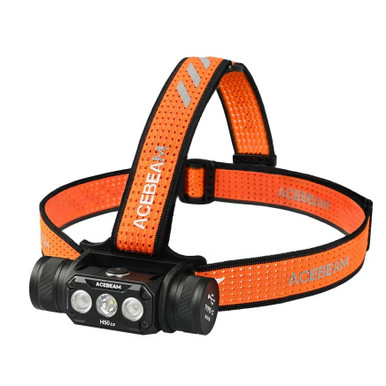
A 2000 lumen headlamp with spot and flood beams, rated IP68 and submersible to 2 metres, with a 141 metre beam and up to 30 hours on low.
Explore →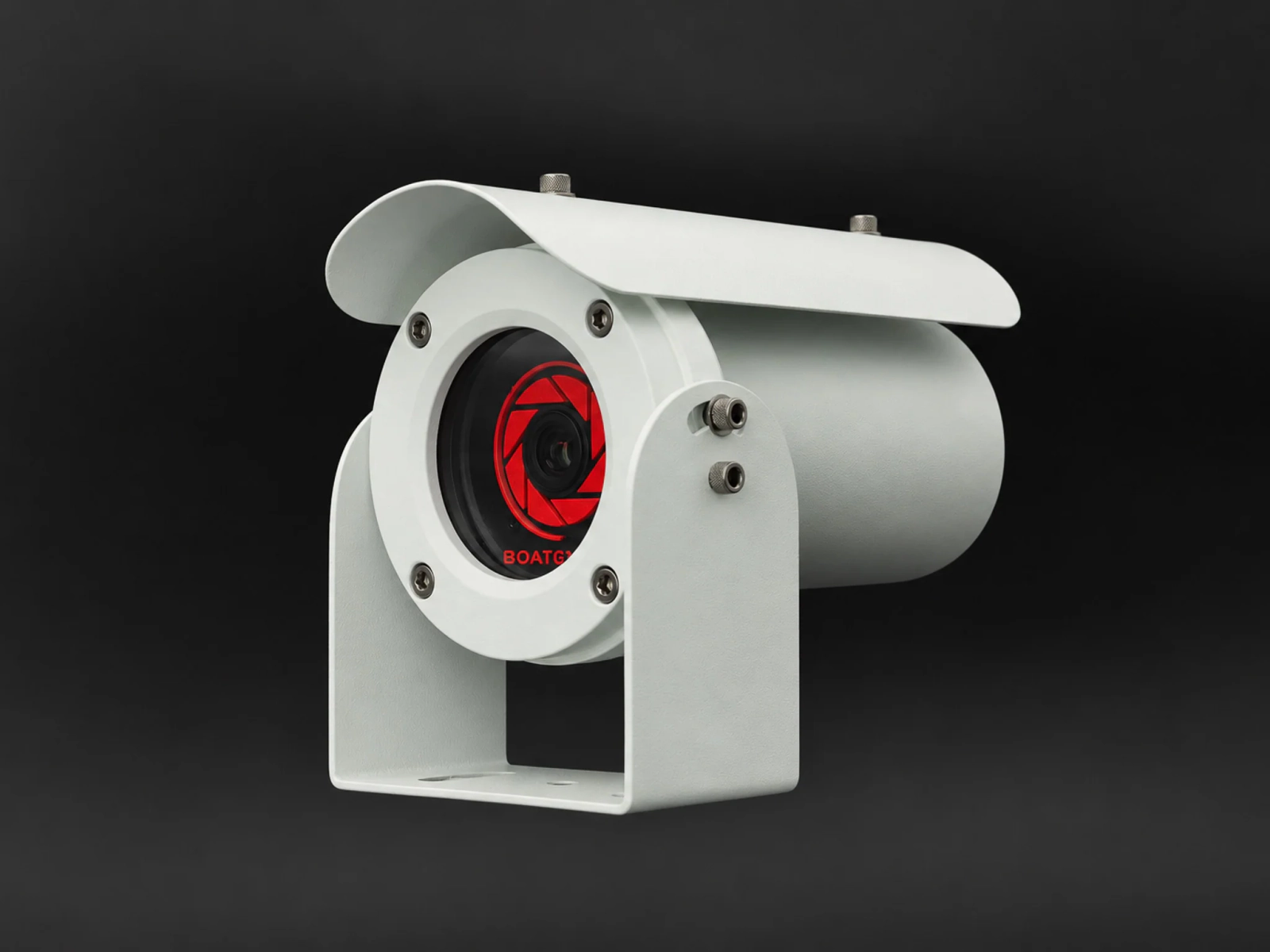
The original BoatEye360 full-colour low-light camera: the same 0.0001 lux sensor as the V2 in a larger 316L stainless housing, with HDMI and analog output, at a lower price.
Explore →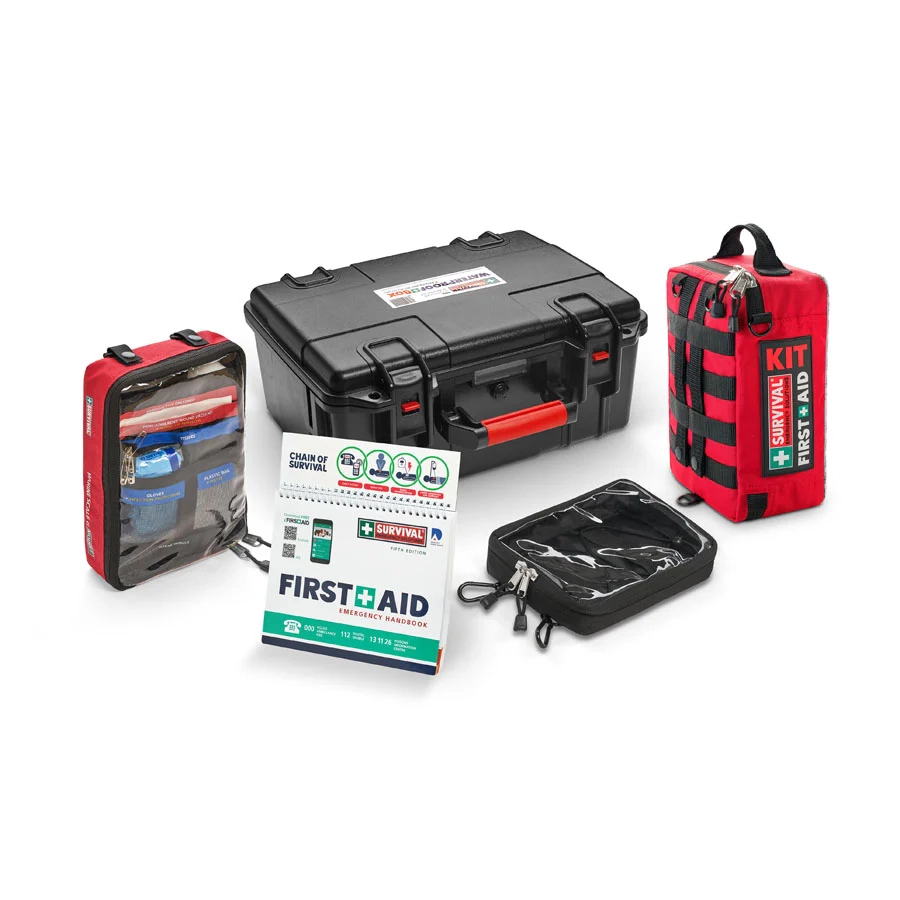
A 142-item marine first aid kit built around the Australian Scale G requirement, with a workplace kit, a Scale G module and a handbook packed in a large waterproof box.
Explore →
Push-to-talk radio that uses 4G mobile networks where there is coverage and a built-in 16-channel analog radio where there is none, with GPS and SOS. Sold as a two-pack.
Explore →